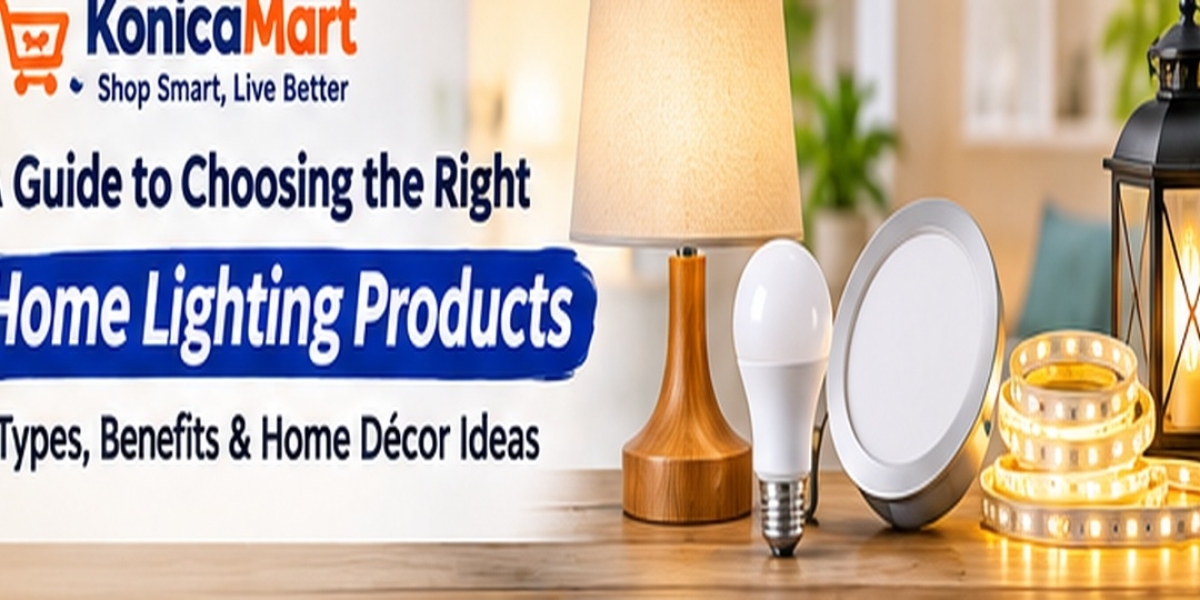

Home Lighting Buying Guide is a useful topic for shoppers comparing everyday products. The best choice depends on the intended use, the space or person it is for, product specifications, maintenance, and the manufacturer's instructions. This guide covers practical buying considerations so readers can compare options based on real requirements rather than appearance or broad promotional claims.
Understand ambient, task and accent lighting
Lighting affects how a room looks and how comfortably it can be used. Ambient lighting provides general illumination, task lighting supports activities such as reading or cooking, and accent lighting draws attention to selected features. Most rooms benefit from a combination rather than relying on one bright fixture.
Walk through the room at different times of day and identify dark corners, glare, and areas where more focused light is needed. Consider natural daylight, wall colors, furniture placement, and the activities that take place in the space. This assessment helps you choose lighting that serves a purpose.
Choose lighting for each room's function
Different rooms have different lighting requirements. Kitchens often need clear task lighting around work surfaces, while bedrooms may benefit from softer, layered lighting. A desk or reading corner may need a focused lamp, and hallways require consistent illumination without obstructing movement.
Consider how the light will be controlled. Switch placement, multiple lighting zones, and dimmers can make a room more flexible. If a fixture will be used frequently, choose a practical design that is easy to operate and maintain. Check the dimensions so the light does not overwhelm a small room.
Explore related options in home lighting products at KonicaMart, and review the exact product specifications before choosing.
Compare LED bulbs and brightness
LED bulbs are widely used because they can provide efficient lighting and are available in different brightness levels and shapes. Compare lumens rather than relying only on wattage when assessing brightness. Check the bulb base, fixture compatibility, dimming support, and any enclosed-fixture restrictions.
Look at the manufacturer's stated lifespan and energy information, but remember that actual performance depends on usage and operating conditions. A bulb that is too bright may create glare, while one that is too dim may not support the task. Choose brightness for the room and activity.
Check color temperature and dimming
Color temperature is commonly described in kelvin. Warmer light often feels softer, while cooler light can appear more neutral or crisp. The preferred tone depends on room use and personal preference. If several fixtures are visible together, choosing compatible color temperatures can help the space feel more consistent.
Not every LED bulb or fixture is dimmable. Check compatibility between the bulb, dimmer switch, and fixture before purchasing. Flicker, buzzing, or inconsistent dimming can occur when components are mismatched. Follow the manufacturer's compatibility list rather than assuming all dimmers work with all LED products.
Select fixtures that fit the room
Fixture size, shape, finish, and mounting style should suit the room's scale and design. Check ceiling height, table dimensions, wall clearance, and the direction in which light is cast. A pendant may work above a dining table, while a floor lamp may provide flexible light in a living area.
Pay attention to materials and cleaning requirements. Dust can collect on shades, diffusers, and decorative details. Choose fixtures that can be cleaned safely without damaging electrical components. For damp locations, verify that the fixture has the appropriate rating and is approved for the intended environment.
Explore related options in home lighting products at KonicaMart, and review the exact product specifications before choosing.
Review installation and electrical safety
Electrical installation should follow the product manual and local requirements. Check voltage, wattage limits, mounting hardware, and whether the fixture needs professional installation. Do not attempt wiring work unless qualified to do so. Turn off power at the appropriate supply before any permitted basic maintenance.
Outdoor and bathroom lighting require particular attention to environmental ratings and installation conditions. A fixture suitable for a dry bedroom may not be suitable for moisture or weather exposure. Review the exact rating and seek a qualified electrician if you are unsure about installation requirements.
Maintain and layer home lighting
Layering different light sources makes a room more adaptable. Combine general illumination with focused task lights and selected accent lighting, then use controls to adjust the mood and brightness. Avoid placing lights where they create glare on screens or reflective surfaces.
Clean fixtures according to their instructions and replace bulbs with compatible models. KonicaMart's home decor category is a starting point for exploring decorative lighting and related home products. Check fixture dimensions, bulb compatibility, brightness, color temperature, and safety ratings before selecting home lighting products.
Practical Buying Checklist
· Confirm the product's intended use, dimensions, materials, and included components.
· Read the full description, instructions, safety information, and care requirements.
· Compare long-term value, maintenance needs, and suitability for your actual routine.
Final Thoughts
Choosing home lighting products is easier when you define the need, compare specifications, and follow the manufacturer's directions. Prioritize suitability, safe use, and practical maintenance over broad claims. KonicaMart's relevant category is a starting point for exploring related products, while the final selection should reflect your requirements and the information supplied with each item.









