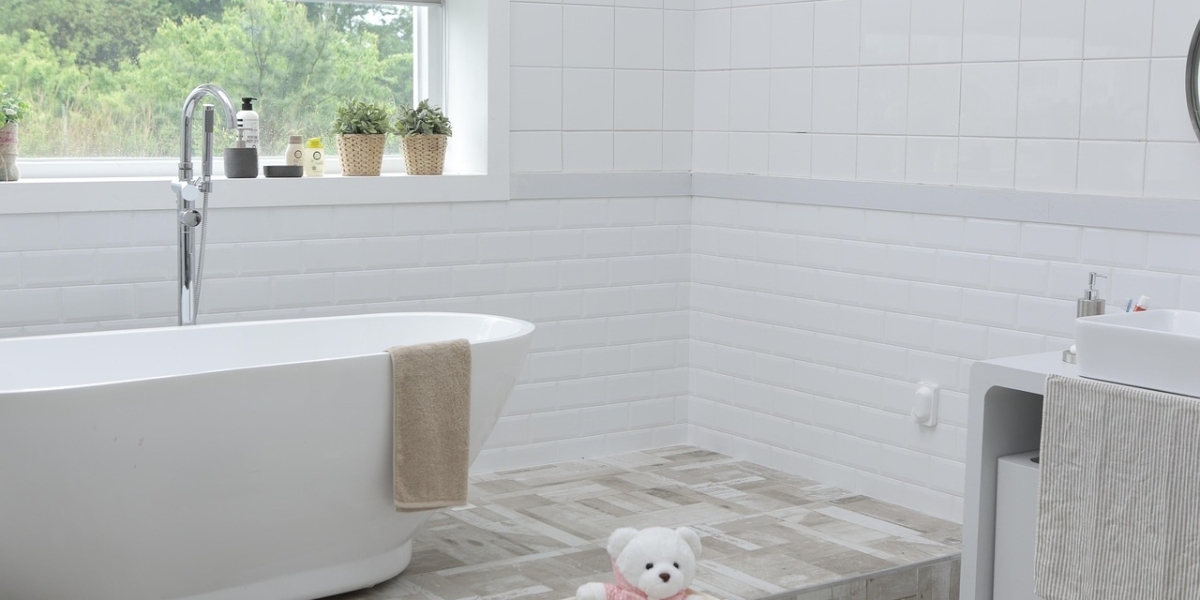

Toronto weather is not easy on a home. Winters are cold and dry, summers are humid, and many houses and condos are decades old. A bathroom has to handle all of this, plus steam, water, and daily use. That is why the best bathroom renovation toronto projects focus on more than looks. They focus on comfort, safety, and durability. This article shares practical upgrade ideas, explains why they matter, and tells you what to ask before you begin.
Why Bathrooms Need Extra Care in Toronto
Bathrooms create a lot of moisture. If that moisture has nowhere to go, it can cause mould, peeling paint, rotting wood, and bad smells. In a city with big changes in temperature and humidity, good planning matters even more.
A well-built bathroom should do four things:
- Keep water where it belongs
- Let damp air escape quickly
- Stay warm and comfortable in winter
- Be easy to clean and maintain
Keep these four goals in mind as you read the ideas below.
Upgrade 1: Better Ventilation
Many older bathrooms have a weak fan, or no fan at all. This is one of the most common causes of mould. A good exhaust fan pulls steam out of the room and sends it outside, not into the attic or ceiling space.
When you talk to a contractor, ask these simple questions:
- Is the fan strong enough for the size of this room?
- Will the fan vent to the outside?
- Can we add a timer or humidity sensor so the fan runs long enough after a shower?
A quiet fan is also worth the money. People often switch off loud fans, which defeats the purpose.
Upgrade 2: Heated Floors
Cold tile in January is not pleasant. Electric in-floor heating is a popular upgrade in Toronto bathrooms because it is simple to add during a full renovation. Heating mats go under the tile, and a thermostat lets you set a schedule. Many people turn it on only in the morning and evening to save energy.
This work involves electricity, so it should be done by a licensed electrician. Ask about the power needs and whether the system has the right safety protection.
Upgrade 3: A Safer, Stronger Shower
The shower is the heart of most bathrooms, and it is also where leaks begin. A strong shower has three parts: a good waterproof layer, a sloped floor so water flows to the drain, and quality grout and sealant.
Some ideas to consider:
- Curbless or low-curb shower: Easier to step into and good for people who may need more mobility later.
- Built-in niche: A recessed shelf keeps bottles off the floor and saves space.
- Fixed bench: Useful for sitting or for shaving.
- Non-slip floor tile: Smaller tiles on the shower floor give more grip.
Do not rush the waterproofing step. It is hidden once the tile is installed, but it protects your home for years.
Upgrade 4: Water-Saving Fixtures
Modern toilets, faucets, and showerheads can use much less water than older ones. This can help lower your water bill over time. Look for fixtures with a water-efficiency label, such as WaterSense, and ask your contractor which products they trust. Check that the shower still feels comfortable, since some low-flow heads feel better than others.
Upgrade 5: Smart Storage
Clutter makes any bathroom feel small. Good storage is not a luxury. It is part of good design. Here are easy ways to add it:
- A vanity with deep drawers instead of only doors
- A mirror cabinet that holds daily items
- Open shelves for towels, with baskets for small things
- A tall, narrow cabinet in a small corner
Plan storage before the walls are closed, because some options, like recessed cabinets, need to be built into the wall.
Upgrade 6: Lighting That Works
Bad lighting makes a clean bathroom look dull. Use more than one type of light:
- A main ceiling light for general use
- Soft lights on both sides of the mirror, so faces are lit evenly
- A small night light for safe trips late at night
- A waterproof light in the shower, if the area is large
LED lights last a long time and use less power. Dimmers let you change the mood from bright in the morning to calm at night.
Upgrade 7: Easy-Care Materials
The best materials look good and are simple to clean. Large-format tile has fewer grout lines. Quartz or solid-surface counters resist stains and are easy to wipe. Matte finishes hide water spots better than glossy ones. Before you choose, ask the supplier how each material should be cleaned, and whether it needs regular sealing.
Thinking About Resale Value
A well-done bathroom can help when it is time to sell your home. Buyers often notice clean design, good quality, and a bathroom that feels fresh. However, very bold or trendy styles can go out of fashion fast. If you may sell in the next few years, choose timeless colours and classic fixtures. If you plan to stay long, you can be more personal.
Rules and Paperwork to Remember
In Toronto, some bathroom work needs a building permit, especially when plumbing is added or moved, or when walls are changed. Electrical work in Ontario should be done by a licensed electrician and may need inspection by the Electrical Safety Authority. Condo owners must also follow the condo board's rules about work hours, noise, and elevator use.
These rules are there for safety. Ask your contractor to explain which approvals your project needs, and keep copies of all permits and inspection papers. They can be helpful if you ever sell or make an insurance claim.
How to Pick a Reliable Team
A great design means little if the work is poor. When comparing companies for bathroom renovation toronto, look for these signs of trust:
- They explain things clearly and do not hide extra costs
- They show real photos of finished bathrooms
- They carry liability insurance and Workplace Safety and Insurance Board (WSIB) coverage
- They give a written contract with scope, price, schedule, and warranty
- They have recent, honest reviews from past customers
Ask for two or three quotes and compare what each one includes, not just the final number.
Caring for Your New Bathroom
After the renovation, a little care keeps everything looking new:
- Run the fan during and after every shower.
- Wipe down wet surfaces, especially glass and corners.
- Check the caulking around the tub, shower, and sink once or twice a year, and replace it if it cracks.
- Clean grout and tile with products that are safe for the material you have.
- Fix small drips quickly before they become big problems.
Follow the care instructions from your contractor and the product makers. Keep your warranty papers in a safe place.
Final Thoughts
A bathroom that lasts is built on good ventilation, strong waterproofing, smart storage, and honest workmanship. When you plan your bathroom renovation toronto project with these ideas in mind, you get more than a nice-looking room. You get a space that is safe, comfortable, and ready for the years ahead. Take your time, ask questions, and choose a team that is open and reliable.









