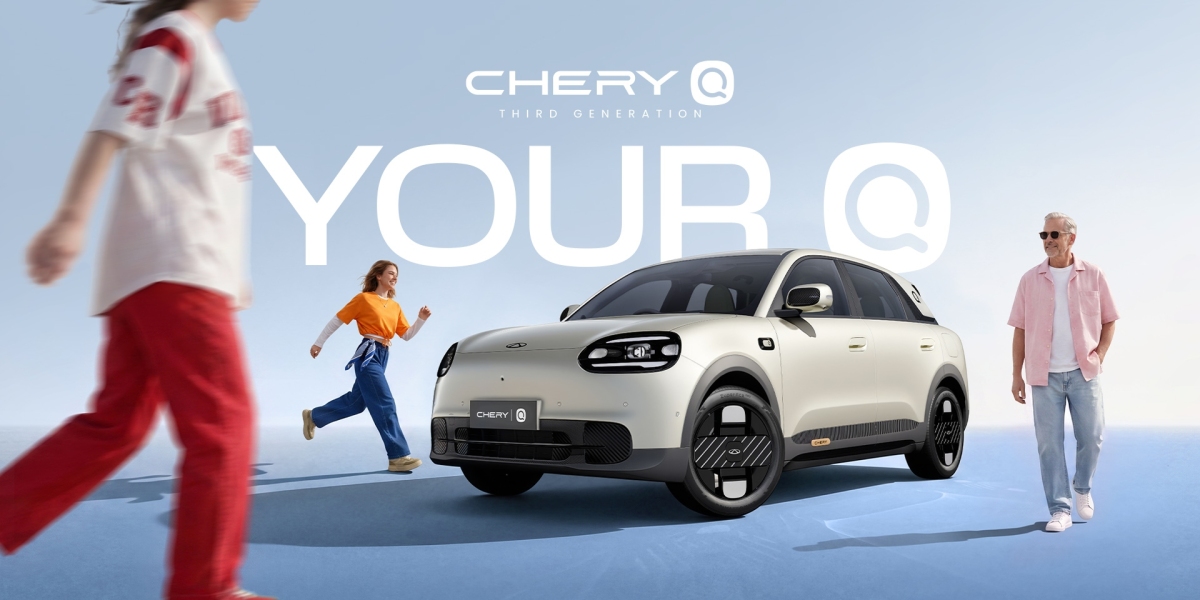

Rising fuel prices have become a major concern for car owners in Pakistan. Whether someone drives daily to work, manages a family vehicle, or frequently travels between cities, increasing petrol expenses can put considerable pressure on monthly budgets. With fuel prices influenced by international oil markets, currency fluctuations, and economic conditions, many Pakistani motorists are exploring alternative transportation options. One solution gaining attention is electric mobility.
Electric vehicles (EVs) offer an opportunity to reduce everyday transportation expenses while embracing modern automotive technology. As interest in electric cars in Pakistan continues to grow, consumers are beginning to recognize that switching from petrol-powered vehicles to electric alternatives can provide financial and environmental benefits.
1. Lower Everyday Running Costs
One of the biggest advantages of electric cars is their lower energy cost compared with conventional petrol vehicles. Traditional cars require regular fuel purchases, and even a moderate daily commute can result in substantial monthly petrol expenses.
Electric cars operate using rechargeable batteries instead of petrol engines. Owners can charge their vehicles at home or use available public charging facilities. Depending on electricity tariffs, vehicle efficiency, and driving habits, charging an EV can cost significantly less than purchasing petrol for an equivalent distance.
For example, someone commuting between home and work every day may notice considerable savings over time. Instead of visiting petrol stations frequently, they can charge their vehicle overnight and begin the next morning with sufficient battery power.
These savings become particularly attractive when petrol prices increase unexpectedly.
2. Reduced Maintenance Expenses
Fuel is not the only expense associated with owning a conventional vehicle. Regular servicing, engine oil replacement, filters, spark plugs, and other mechanical components contribute to long-term ownership costs.
Electric vehicles have comparatively simpler powertrains. They do not require engine oil changes, spark plug replacements, or conventional exhaust-system maintenance. Their regenerative braking systems can also reduce wear on brake components under suitable driving conditions.
Although EVs still require tyre inspections, suspension maintenance, brake checks, cabin filter replacement, and battery-system monitoring, their reduced mechanical complexity can make routine servicing more straightforward.
For Pakistani families trying to control household transportation expenses, these differences can make electric mobility an attractive long-term option.
3. Protection Against Petrol Price Fluctuations
Petrol prices in Pakistan can change because of international crude oil prices, exchange-rate movements, taxation, and government pricing decisions.
This uncertainty makes it difficult for motorists to predict their monthly transportation budgets. A sudden increase in petrol prices can significantly affect people who travel long distances or operate multiple vehicles.
Electric vehicles provide an alternative energy source. Electricity tariffs can also change, but EV owners are not directly exposed to every international petroleum price movement.
Drivers who have access to home charging may find it easier to manage their transportation expenses. They can estimate their electricity consumption using their vehicle's energy-efficiency figures and local electricity rates.
This greater control over energy planning is one of the reasons electric vehicles are becoming increasingly relevant in Pakistan.
4. Home Charging Makes Daily Travel Convenient
Another financial and practical advantage of electric cars is the ability to charge at home.
Unlike conventional vehicles, which require visits to petrol stations, an EV can often be plugged in overnight using an appropriate charging setup. This allows owners to start their day with a charged battery without making additional stops.
Home charging can also make energy management easier. Drivers can monitor electricity consumption, schedule charging where supported, and choose charging times according to their household electricity arrangements.
However, buyers should consider the cost of installing a suitable charger, electrical safety requirements, and their home's available electrical capacity before purchasing an EV.
5. Government Support Is Encouraging Electric Mobility
Pakistan is taking steps toward promoting electric transportation through its National Electric Vehicle Policy 2025–30.
The policy aims to increase the adoption of new-energy vehicles, encourage local manufacturing, and expand charging infrastructure. One of its major targets is to make electric vehicles account for 30% of new vehicle sales by 2030.
The government has also highlighted the potential for reducing fuel imports and improving environmental conditions through electric mobility.
These developments indicate that electric vehicles are becoming an increasingly important part of Pakistan's automotive future.
6. A More Environmentally Responsible Choice
Financial savings are important, but environmental benefits also make electric cars appealing.
Conventional petrol vehicles produce exhaust emissions during operation. Electric cars have no tailpipe emissions, helping reduce direct roadside pollution, particularly in densely populated cities such as Karachi, Lahore, and Islamabad.
Although electricity generation and battery manufacturing also have environmental impacts, EVs can contribute to cleaner urban transportation as Pakistan gradually develops its energy and charging infrastructure.
For environmentally conscious consumers, choosing an electric vehicle is an opportunity to support a more sustainable transportation system.
7. Choosing the Right Electric Vehicle for Your Lifestyle
Not every electric car is suitable for every driver. Before purchasing, buyers should consider their daily travel distance, charging availability, passenger requirements, budget, and after-sales support.
A compact EV may suit someone who primarily travels within city limits. Families requiring additional comfort and space may prefer larger electric SUVs.
Consumers researching an affordable electric car in Pakistan should compare the complete ownership cost rather than focusing exclusively on the purchase price.
Similarly, people interested in premium family transportation may explore the developing market for an e segment SUV Pakistan. Buyers looking for additional passenger capacity can also consider the features and practicality offered by a luxury 7 seater SUV Pakistan.
The ideal choice depends on individual requirements, vehicle specifications, battery performance, and available charging facilities.
8. Why Electric Mobility Matters for Pakistan
Pakistan's transportation sector faces several challenges, including imported fuel dependency, urban air pollution, and increasing household mobility expenses.
Electric vehicles offer a practical opportunity to address some of these concerns. As charging infrastructure improves and consumers become more familiar with EV technology, electric mobility could become increasingly accessible.
Automotive brands such as Chery Pakistan have an opportunity to contribute to this changing automotive landscape by helping consumers understand modern vehicle technology, innovation, and evolving mobility expectations.
The transition to electric mobility is not simply about replacing petrol engines. It represents a broader shift toward smarter, more efficient transportation.
Conclusion
Rising fuel prices have encouraged Pakistani motorists to reconsider how they travel and manage vehicle expenses. Electric cars offer several potential advantages, including lower energy costs, reduced routine maintenance requirements, convenient home charging, and fewer direct exhaust emissions.
Although the initial purchase price, battery warranty, charging availability, and electricity tariffs should always be evaluated, the long-term benefits can make electric mobility an appealing investment.
As Pakistan continues developing its EV ecosystem, consumers have more reasons to explore modern automotive solutions. For drivers seeking better control over transportation expenses and a more sustainable driving experience, electric cars could represent an important step toward the future.









