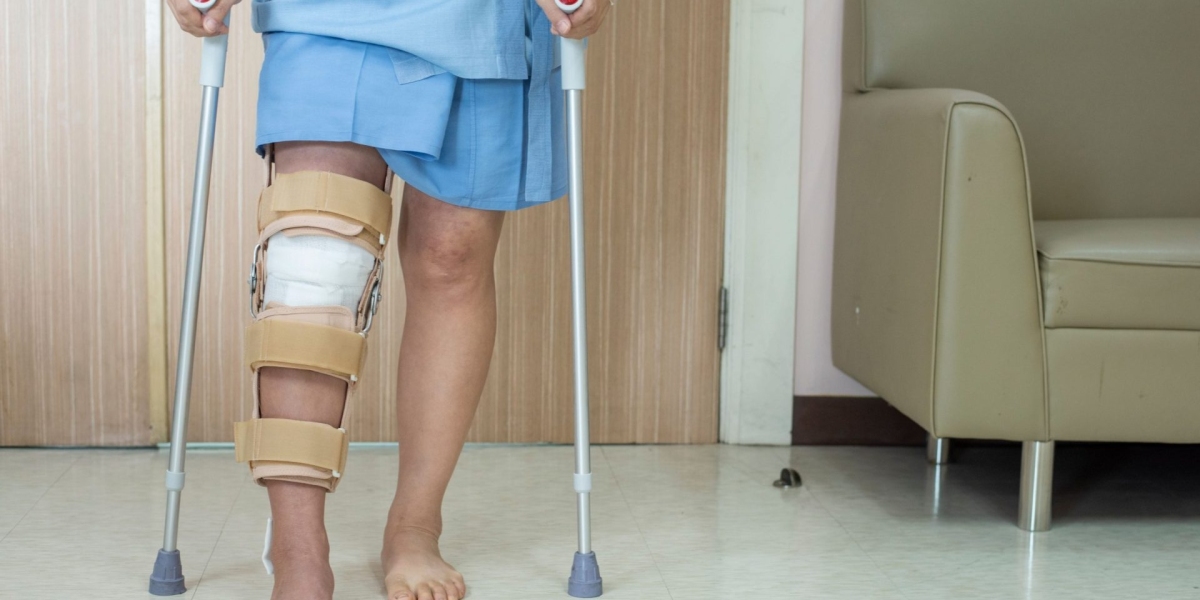

ACL injuries are particularly common among individuals who participate in sports involving sudden stops, rapid direction changes, jumping, and landing. However, they can also occur during accidents or unexpected twisting movements. Depending on the severity of the injury, individuals may experience knee pain, swelling, instability, and difficulty putting weight on the affected leg.
Proper rehabilitation is essential for restoring knee strength, improving movement control, and supporting a gradual return to physical activities. At Vitruvian Italian Physiotherapy Center, personalised physiotherapy focuses on individual assessment, targeted strengthening, mobility improvement, and functional rehabilitation.
Choosing appropriate ACL injury treatment in dubai involves understanding the nature of the injury and developing a treatment programme that supports the patient's physical condition and recovery goals.
Understanding an ACL Injury
The anterior cruciate ligament is one of the major ligaments located inside the knee joint. It connects the thighbone (femur) to the shinbone (tibia) and helps control the movement and stability of the knee.
The ACL is especially important during activities that involve sudden changes in direction, pivoting, jumping, and landing.
An ACL injury occurs when the ligament is stretched beyond its normal capacity or partially or completely torn.
ACL injuries are generally classified into three grades:
Grade 1: The ligament is stretched but continues to provide reasonable knee stability.
Grade 2: The ligament is partially torn, resulting in greater damage and possible instability.
Grade 3: The ligament is completely torn, which can significantly affect knee stability.
The appropriate treatment depends on the injury grade, associated damage, activity requirements, and individual goals.
People searching for ACL injury treatment in dubai should understand that rehabilitation requirements can differ considerably between individuals.
Common Causes of ACL Injuries
ACL injuries often occur during physical activities that place sudden rotational or forward forces on the knee.
Although sports are a common source of these injuries, several everyday situations can also contribute.
Some common causes include:
Sudden Direction Changes: Quickly changing direction while running can place significant stress on the ACL.
Improper Landing: Landing awkwardly after jumping may increase pressure on the knee joint.
Sudden Stops: Stopping abruptly while running can create excessive forces around the knee.
Knee Twisting: Rotating the body while the foot remains firmly planted can strain the ligament.
Direct Impact: A collision during sports or an accident may cause ligament damage.
Poor Movement Control: Inadequate muscular coordination during jumping and landing may influence knee loading.
Sports such as football, basketball, volleyball, and skiing involve movements that can increase the likelihood of ACL injuries.
Understanding how an injury occurred helps physiotherapists and medical professionals identify the physical requirements for rehabilitation.
Recognising the Symptoms of an ACL Injury
ACL injury symptoms can vary according to the severity of ligament damage and whether other knee structures are affected.
Some individuals experience immediate symptoms following an injury, while others notice increasing discomfort and instability during physical activities.
Common symptoms include:
Sudden knee pain during movement.
Swelling around the knee joint.
A popping sensation at the time of injury.
Difficulty putting weight on the affected leg.
Reduced knee movement.
A feeling that the knee may give way.
Difficulty walking or climbing stairs.
Reduced confidence during sports activities.
Swelling may develop relatively quickly following an ACL injury. Some patients also experience damage to the meniscus, cartilage, or other supporting ligaments.
A medical assessment is important for confirming the diagnosis and identifying associated injuries.
Why Early Assessment Is Important
An ACL injury requires proper evaluation to determine the extent of ligament damage and the most suitable treatment approach.
An early assessment can help identify the structures involved and establish an appropriate rehabilitation plan.
The evaluation may include:
Reviewing how the injury occurred.
Examining knee swelling and tenderness.
Assessing knee movement.
Evaluating ligament stability.
Checking surrounding muscle strength.
Reviewing walking ability.
Considering the patient's sports and activity requirements.
Clinical examination and imaging, such as an MRI when indicated, may help confirm the diagnosis.
People considering ACL injury treatment in dubai should understand that treatment decisions depend on the complete condition of the knee rather than symptoms alone.
The Role of Physiotherapy in ACL Injury Rehabilitation
Physiotherapy is an important part of ACL injury management, whether a patient is following a non-surgical treatment programme or recovering after ACL reconstruction surgery.
The main objective is to improve knee function through controlled movement, progressive strengthening, balance training, and functional rehabilitation.
At Vitruvian Italian Physiotherapy Center, an individualised approach can help address the different physical requirements associated with knee rehabilitation.
Physiotherapy may focus on:
Reducing movement limitations.
Improving knee flexibility.
Restoring quadriceps strength.
Strengthening the hamstrings and hip muscles.
Improving balance and coordination.
Developing better knee stability.
Preparing for everyday and sports-related activities.
A structured rehabilitation programme helps patients progress according to their physical abilities and recovery goals.
Different Treatment Approaches for ACL Injuries
Not every ACL injury requires the same treatment. The appropriate approach depends on the extent of ligament damage, associated injuries, knee stability, and the patient's lifestyle.
Non-Surgical Treatment
Some individuals with partial ACL injuries or certain complete tears may be suitable for non-surgical management.
This approach generally involves physiotherapy, activity modification, and progressive strengthening.
Treatment may include:
Knee mobility exercises.
Quadriceps strengthening.
Hamstring strengthening.
Hip and gluteal strengthening.
Balance and coordination training.
Functional movement exercises.
Non-surgical treatment may be considered for individuals with suitable knee stability and activity requirements following professional assessment.
Surgical Treatment
ACL reconstruction may be recommended for individuals with significant knee instability, associated injuries, or a desire to return to sports involving pivoting and rapid direction changes.
The procedure generally involves reconstructing the damaged ligament using a tendon graft.
Physiotherapy is essential after surgery to help restore knee movement, muscular strength, balance, and functional ability.
The decision to undergo surgery should be made with an appropriate orthopaedic specialist after reviewing the individual's condition and goals.
Important Stages of ACL Rehabilitation
ACL rehabilitation is a progressive process. Each stage focuses on specific physical improvements while preparing the knee for more demanding movements.
The duration and progression of each stage depend on whether the patient has undergone surgery, the nature of the injury, and individual recovery.
Stage 1: Managing Initial Symptoms
The early rehabilitation stage focuses on managing swelling, improving comfortable movement, and restoring basic muscle activation.
Depending on the injury and medical guidance, treatment may include:
Appropriate swelling management.
Gentle knee mobility exercises.
Quadriceps activation.
Controlled ankle movements.
Safe walking guidance.
Gradual restoration of knee extension.
The objective is to establish a comfortable foundation for further rehabilitation.
Stage 2: Restoring Knee Mobility
Regaining appropriate knee movement is important for walking, sitting, standing, and climbing stairs.
Physiotherapy may include gentle bending and straightening exercises, controlled stretching, and movement activities.
Improving knee extension is particularly important for developing a more natural walking pattern.
Stage 3: Building Muscular Strength
Muscle strengthening is one of the most important components of ACL rehabilitation.
The quadriceps, hamstrings, gluteal muscles, and calf muscles all contribute to knee control and lower limb function.
Exercises may include:
Straight leg raises.
Controlled squats.
Glute bridges.
Resistance-based knee exercises.
Step-up activities.
Hamstring strengthening.
Exercise intensity is increased gradually according to the patient's recovery and physical tolerance.
Stage 4: Improving Balance and Coordination
Balance training helps the body control the knee during standing, walking, and changing positions.
ACL injuries can affect proprioception, which is the body's ability to recognise joint position and movement.
Rehabilitation may include:
Single-leg standing.
Controlled weight shifting.
Balance exercises.
Step-down movements.
Coordination activities.
Controlled single-leg exercises.
These activities help improve awareness and control of the affected leg.
Stage 5: Functional and Sports-Specific Training
The final stages of rehabilitation focus on preparing individuals for more demanding physical activities.
Depending on the patient's goals, exercises may include jogging progression, jumping, landing mechanics, agility drills, and controlled direction changes.
A return to sports should be based on appropriate clinical and functional assessment rather than simply the amount of time that has passed since injury or surgery.
Exercises That Help Improve Knee Strength and Stability
Targeted exercises are essential for rebuilding the strength and coordination needed to support knee function.
The following exercises may be included in an ACL rehabilitation programme when appropriate.
Quadriceps Sets
Quadriceps sets help activate the muscles at the front of the thigh.
To perform this exercise:
Sit or lie down with your affected leg extended.
Gently tighten the muscles at the front of your thigh.
Press the back of your knee towards the supporting surface.
Hold the contraction briefly.
Relax and repeat.
This exercise is commonly used to develop early quadriceps activation.
Straight Leg Raises
Straight leg raises strengthen the quadriceps while keeping the knee relatively straight.
To perform the exercise:
Lie on your back with one knee bent.
Keep the affected leg straight.
Tighten your thigh muscles.
Slowly raise the straight leg.
Lower it with control.
The movement should be performed without allowing the knee to bend.
Glute Bridges
Glute bridges strengthen the gluteal muscles and support hip stability.
To perform this exercise:
Lie on your back with your knees bent.
Keep your feet flat on the floor.
Tighten your abdominal and gluteal muscles.
Slowly lift your hips.
Lower your hips with control.
This exercise helps develop strength in the muscles supporting lower body movement.
Mini Squats
Mini squats can help improve quadriceps and gluteal strength.
To perform this exercise:
Stand with your feet approximately hip-width apart.
Keep your weight balanced.
Slowly bend your knees within a comfortable range.
Maintain control of your knee alignment.
Return to a standing position.
The exercise can be progressed according to individual strength and rehabilitation stage.
Step-Up Exercise
Step-ups help develop functional leg strength and coordination.
To perform this exercise:
Stand in front of a low, stable step.
Place one foot on the step.
Slowly transfer your weight onto that leg.
Step up with controlled movement.
Return to the starting position.
The step height and exercise difficulty should be selected according to the individual's rehabilitation progress.
All ACL exercises should be selected and supervised according to the injury stage and treatment plan. Exercises that are appropriate after a simple strain may not be suitable immediately after reconstruction surgery.
Why Quadriceps and Hamstring Strength Matter
The quadriceps and hamstrings are two major muscle groups responsible for controlling knee movement.
The quadriceps are located at the front of the thigh and help straighten the knee. The hamstrings are located at the back of the thigh and contribute to knee bending and movement control.
Both muscle groups are important for maintaining functional knee stability.
Strengthening these muscles can help support:
Walking and stair climbing.
Controlled squatting.
Running and jumping.
Landing mechanics.
Lower limb coordination.
Everyday physical activities.
A balanced strengthening programme is particularly important for individuals returning to sports after an ACL injury.
The Importance of Hip and Core Strength in ACL Recovery
Knee performance depends on more than the muscles surrounding the knee joint. The hips and core also contribute to lower limb alignment and movement control.
Weakness or poor coordination around the hips may influence how the knee moves during walking, running, jumping, and landing.
Physiotherapy may include exercises that target:
Gluteal muscle strength.
Hip abductor muscles.
Hip extension.
Core stability.
Pelvic control.
Single-leg balance.
Developing strength throughout the lower body can help improve movement coordination and support more controlled physical performance.
Improving Balance and Proprioception After an ACL Injury
Proprioception allows the body to recognise the position and movement of its joints without constantly looking at them.
Following an ACL injury, changes in knee function may affect movement confidence and coordination.
Balance and proprioception exercises help individuals practise controlling the affected leg during different activities.
Common rehabilitation exercises include:
Single-leg standing.
Controlled weight transfers.
Balance board activities when appropriate.
Single-leg reaching movements.
Step-down exercises.
Progressive dynamic balance training.
These exercises can help develop better movement awareness and prepare individuals for more demanding physical tasks.
Returning to Sports After ACL Rehabilitation
Returning to sports is an important goal for many individuals recovering from an ACL injury.
However, the process requires more than simply regaining the ability to walk or perform basic exercises.
Sports such as football, basketball, and tennis involve rapid movements, jumping, landing, acceleration, and sudden direction changes. These activities place significant demands on knee stability and muscular coordination.
A suitable return-to-sport programme may include:
Running Preparation
Patients gradually develop the strength and movement control needed for jogging and running.
Jumping and Landing Training
Exercises focus on controlled take-off and landing mechanics, including appropriate knee alignment.
Agility Training
Agility exercises help prepare the body for changing direction and responding to different movement demands.
Sport-Specific Activities
The final stages may include controlled drills that reflect the physical requirements of the individual's sport.
Functional Testing
Strength, balance, movement quality, and functional performance may be assessed before progressing towards unrestricted sports participation.
A healthcare professional should determine when the patient is ready to return to sports.
Understanding ACL Injury Treatment Cost in Dubai
The cost of ACL injury treatment can vary depending on the severity of the injury, the treatment approach, the need for surgery, and the duration of rehabilitation.
People researching ACL injury treatment cost in dubai should understand that treatment expenses depend on individual medical and physiotherapy requirements.
Several factors may influence the overall cost.
Initial Consultation and Assessment
The initial assessment may involve reviewing the patient's medical history, injury mechanism, symptoms, and knee function.
Additional investigations, such as MRI scans, may be recommended by the treating medical professional when necessary.
Surgical or Non-Surgical Treatment
The overall cost can differ depending on whether the patient requires conservative management or ACL reconstruction surgery.
Surgical treatment may involve additional expenses related to the procedure, hospital care, and postoperative rehabilitation.
Number of Physiotherapy Sessions
The duration of rehabilitation varies according to injury severity, treatment type, and individual progress.
Patients recovering from ACL reconstruction may require a longer and more structured rehabilitation programme.
Type of Rehabilitation Required
Treatment may include mobility exercises, strengthening, balance training, functional rehabilitation, and sports-specific conditioning.
The complexity of the programme can influence the total treatment expense.
Individual Recovery Goals
An individual aiming to return to competitive sports may require additional performance testing and sport-specific rehabilitation compared with someone whose main goal is comfortable everyday movement.
When comparing ACL injury treatment cost in dubai, patients should consider the complete rehabilitation process rather than focusing only on the initial appointment or treatment session.
At Vitruvian Italian Physiotherapy Center, personalised treatment planning helps individuals understand their rehabilitation needs and the physiotherapy approaches that may support their recovery.
What Makes the Best ACL Injury Treatment in Dubai?
Choosing the appropriate treatment approach is important for restoring knee function and achieving long-term physical goals.
Individuals searching for the Best ACL injury treatment in dubai should consider several important factors.
Detailed Knee Assessment
An appropriate assessment helps identify ligament damage, associated injuries, movement restrictions, and muscular weakness.
Personalised Rehabilitation Plans
Every ACL injury is different. Treatment should reflect the individual's injury grade, medical recommendations, physical condition, and activity requirements.
Progressive Strengthening
A structured programme should gradually improve quadriceps, hamstring, hip, and calf strength.
Balance and Coordination Training
Rehabilitation should address movement control and the body's ability to maintain knee stability during different activities.
Professional Guidance
Qualified healthcare professionals and physiotherapists play important roles in treatment planning, exercise selection, and rehabilitation progression.
Functional and Sports-Specific Training
For active individuals, rehabilitation should prepare the knee for the physical requirements of their preferred activities.
Regular Progress Evaluation
Monitoring strength, mobility, balance, and functional performance helps guide decisions throughout recovery.
The Best ACL injury treatment in dubai is an approach that considers the complete condition of the knee and supports realistic, individual recovery goals.
Why Choose Vitruvian Italian Physiotherapy Center for ACL Rehabilitation?
ACL rehabilitation requires a structured understanding of knee mechanics, muscular strength, joint mobility, balance, and functional movement.
Vitruvian Italian Physiotherapy Center focuses on personalised physiotherapy approaches that consider the patient's condition and individual rehabilitation requirements.
The physiotherapy process may include:
Individual Assessment: Evaluating knee movement, strength, balance, and physical limitations.
Targeted Strengthening: Developing the muscles responsible for supporting knee function.
Mobility Improvement: Working towards comfortable knee bending and straightening.
Stability Training: Improving balance, coordination, and lower limb control.
Functional Rehabilitation: Preparing patients for walking, lifting, climbing stairs, and other everyday movements.
Progressive Exercise Programmes: Adjusting exercise difficulty according to recovery and physical ability.
For individuals recovering from ACL injuries, this personalised approach helps address different stages of rehabilitation while keeping individual goals in focus.
What to Expect During an ACL Physiotherapy Session
A physiotherapy session is generally structured around the patient's injury stage, physical condition, and recovery objectives.
Understanding the treatment process can help individuals feel more prepared for rehabilitation.
1. Discussion of Injury History
The physiotherapist reviews how the injury occurred, the patient's symptoms, medical history, and previous treatment.
2. Physical Assessment
Knee mobility, muscle strength, balance, walking ability, and functional movement may be evaluated.
3. Personalised Treatment Planning
A rehabilitation programme is developed according to the assessment findings and any relevant medical or surgical recommendations.
4. Guided Exercises
Patients may perform suitable strengthening, mobility, balance, and coordination exercises.
5. Functional Training
As rehabilitation progresses, exercises may become more closely related to everyday movements and sports requirements.
6. Progress Monitoring
The physiotherapist reviews improvements and adjusts the exercise programme according to the patient's response.
This structured approach helps maintain a clear rehabilitation direction.
How to Maintain Knee Health After ACL Rehabilitation
Maintaining knee strength and movement control remains important even after completing a formal rehabilitation programme.
Individuals can support long-term knee function through consistent physical activity and appropriate strengthening exercises.
Some useful habits include:
Maintaining quadriceps and hamstring strength.
Performing regular hip and core exercises.
Improving balance and coordination.
Practising controlled landing techniques.
Increasing exercise intensity gradually.
Following appropriate sports preparation routines.
Allowing sufficient recovery between demanding activities.
Continuing suitable exercises recommended by a physiotherapist.
These habits can help maintain physical conditioning and support long-term knee performance.
Conclusion
An ACL injury can significantly affect knee stability, mobility, and physical performance. Whether the injury occurs during sports, exercise, or an unexpected twisting movement, proper assessment and structured rehabilitation are important for restoring knee function.
Targeted physiotherapy focuses on improving muscular strength, joint mobility, balance, coordination, and functional movement. For individuals exploring ACL injury treatment in dubai, a personalised rehabilitation programme can help address their specific physical limitations and recovery goals.
Understanding the ACL injury treatment cost in dubai also helps patients make informed decisions about the treatment and rehabilitation process.
At Vitruvian Italian Physiotherapy Center, the focus on individual assessment, progressive strengthening, and functional rehabilitation supports a comprehensive approach to knee recovery. Choosing the Best ACL injury treatment in dubai means considering professional guidance, appropriate treatment planning, and long-term functional improvement.
With consistent rehabilitation and suitable exercise progression, individuals can work towards better knee stability, improved strength, and greater confidence in their everyday activities and sports performance.