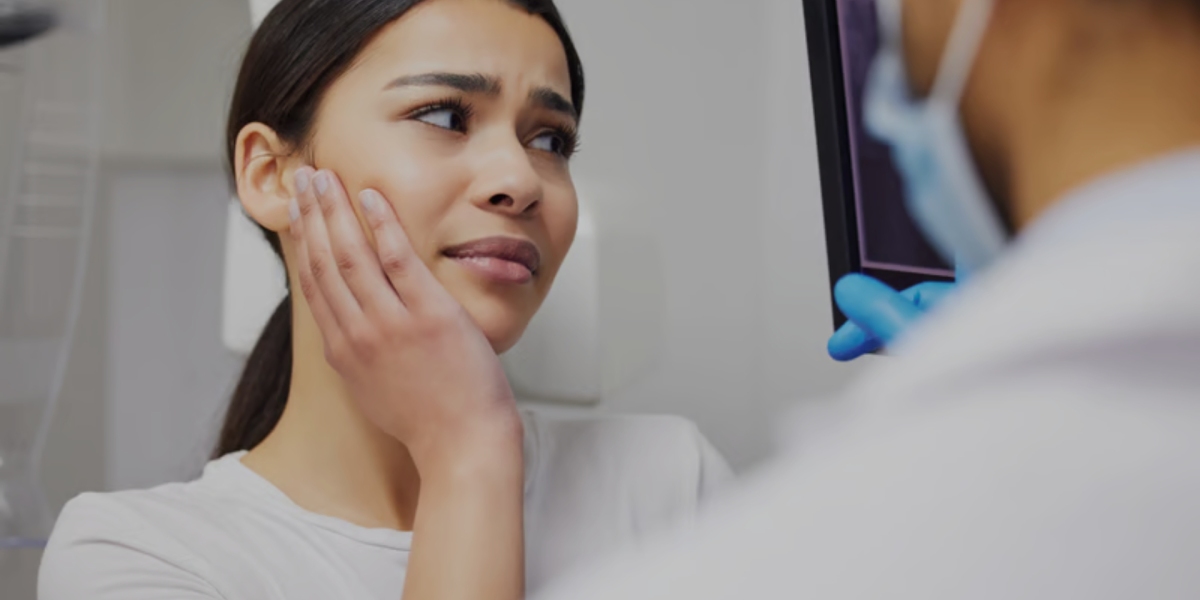

Dental emergencies can happen unexpectedly, leaving you with severe pain, discomfort, or uncertainty about what to do next. Whether you experience a sudden toothache, a broken tooth, or an injury to your gums, getting timely dental care can make a significant difference. At Delta Park Dental, understanding the importance of prompt treatment helps patients recognize when to seek an Emergency Dentist Brampton and how to protect their oral health before receiving professional care.
What Is Considered a Dental Emergency?
A dental emergency is any oral health problem that requires urgent attention to relieve significant pain, control bleeding, treat infection, or prevent permanent damage. Some dental issues develop gradually, while others occur suddenly due to accidents or injuries.
Recognizing the warning signs can help you determine whether immediate dental treatment is necessary.
Common dental emergencies include:
Severe toothache: Persistent or intense tooth pain that may indicate decay, infection, or nerve damage.
Knocked-out tooth: A permanent tooth completely displaced from its socket following an injury.
Broken or chipped tooth: Damage that exposes sensitive inner layers or causes sharp edges.
Dental abscess: An infection that may cause swelling, pain, fever, or a bad taste in the mouth.
Lost filling or crown: A damaged restoration that leaves the tooth vulnerable to discomfort or further damage.
Uncontrolled gum bleeding: Bleeding that continues despite applying gentle, consistent pressure.
Not every dental problem requires immediate treatment, but severe pain, infection, and traumatic injuries should never be ignored.
When Should You Visit an Emergency Dentist in Brampton?
Knowing when to seek professional care is essential for protecting your teeth and preventing complications.
1. Persistent or Severe Tooth Pain
An occasional mild toothache may result from temporary sensitivity. However, persistent or worsening pain can indicate a deeper dental problem.
Possible causes include untreated cavities, cracked teeth, exposed nerves, or infections around the tooth root.
If pain interferes with eating, sleeping, or daily activities, arrange an urgent dental assessment. Painkillers may provide temporary relief, but they do not treat the underlying condition.
2. A Knocked-Out Permanent Tooth
A knocked-out permanent tooth requires immediate attention because the chances of saving it decrease as time passes.
Handle the tooth carefully by its crown rather than its root. If dirty, rinse it briefly with milk or saline without scrubbing. If possible, gently place it back into its socket without forcing it.
Otherwise, keep it moist in milk or an appropriate tooth-preservation solution and seek emergency dental care immediately, ideally within 30 minutes.
Never attempt to reinsert a knocked-out baby tooth.
3. Swelling or Signs of Infection
Swelling around the gums, jaw, or face may indicate an infection requiring urgent evaluation.
A dental abscess can develop when bacteria enter the tooth or surrounding tissues.
Symptoms may include throbbing pain, tenderness, fever, or difficulty chewing.
Facial swelling accompanied by difficulty breathing or swallowing requires immediate hospital emergency care.
4. Broken Teeth or Damaged Restorations
A fractured tooth may cause sharp pain, temperature sensitivity, or discomfort while chewing.
Even when the tooth does not hurt, a crack can expose vulnerable structures and allow bacteria to enter.
Similarly, a missing filling or crown may leave the affected tooth sensitive and unprotected.
An examination helps determine whether the tooth needs a filling, crown, root canal treatment, or another appropriate procedure.
What to Do Before Receiving Emergency Dental Treatment
Taking the correct steps before your appointment can reduce discomfort and protect damaged teeth.
Here are practical recommendations for common dental emergencies.
For a Severe Toothache
Rinse your mouth gently with warm salt water and carefully floss around the painful area to remove trapped food.
Apply a cold compress to the outside of your cheek if swelling develops.
Over-the-counter pain medication may help when taken according to the label and your medical circumstances.
Avoid placing aspirin directly against the gums, as it can damage the tissue.
For a Broken Tooth
Rinse your mouth with lukewarm water and save any broken fragments.
If swelling occurs, apply a cold compress for short intervals.
Avoid chewing on the affected side until a dentist examines the damage.
Dental wax may temporarily cover a sharp edge that irritates your tongue or cheek.
For a Lost Filling or Crown
Keep the area clean and avoid sticky, hard, or extremely hot and cold foods.
If a crown falls out, store it safely and bring it to your appointment.
Do not use household glue to reattach dental restorations.
For Bleeding After an Injury
Apply steady pressure using clean gauze for approximately 10–15 minutes.
Avoid repeatedly removing the gauze to check the bleeding, as this may interrupt clot formation.
If bleeding remains heavy or does not stop, seek urgent medical attention.
These measures are temporary. A professional evaluation is necessary to identify and treat the actual problem.
What Happens During an Emergency Dental Appointment?
Visiting an emergency dentist in Brampton can feel stressful, particularly when experiencing significant discomfort.
Understanding the treatment process can make the experience more manageable.
Initial Assessment
The dentist will ask about your symptoms, medical history, medications, and how the emergency occurred.
They may examine the affected tooth, surrounding gums, and nearby oral structures.
Dental X-rays may be recommended when necessary to identify fractures, infections, or damage beneath the gumline.
Pain Management
Controlling discomfort is often an important part of emergency treatment.
Depending on the condition, the dentist may recommend local anesthesia or other suitable pain-management measures.
The goal is to make treatment as comfortable as possible while addressing the cause.
Treatment Based on Your Condition
Emergency treatment varies depending on the diagnosis.
A damaged tooth may require restoration, while an infected tooth may need root canal treatment or extraction.
For a dental abscess, treatment focuses on addressing the source of infection. Antibiotics may be appropriate in certain situations but are not a substitute for definitive dental care.
Follow-Up Instructions
After treatment, the dentist may provide guidance about eating, brushing, medications, and follow-up appointments.
Following these instructions supports healing and reduces the risk of additional complications.
Why Prompt Dental Emergency Treatment Matters
Delaying treatment can sometimes turn a manageable dental problem into a more complicated condition.
For example, a small fracture may worsen under chewing pressure, while an untreated infection can spread into surrounding tissues.
Seeking timely care offers several important benefits:
Pain relief: Appropriate treatment addresses the underlying source of discomfort.
Tooth preservation: Early intervention may improve the chances of saving an injured tooth.
Infection control: Professional care can prevent certain dental infections from progressing.
Reduced complications: Prompt assessment may limit additional damage to teeth and surrounding tissues.
Improved comfort: Treating urgent problems can make eating, speaking, and sleeping easier.
For anyone experiencing a dental emergency Brampton, recognizing symptoms early and arranging appropriate care can support better oral health outcomes.
How to Choose the Right Emergency Dentist in Brampton
Choosing suitable dental care during an emergency involves more than finding the closest available appointment.
Patients should consider whether a dental clinic offers timely assessments, clear communication, and treatment options appropriate for their condition.
An effective emergency dental evaluation should include an explanation of the diagnosis, recommended treatment, potential alternatives, and expected recovery.
It is also helpful to understand whether additional appointments may be required.
A dentist who explains each step clearly can help patients make informed decisions, especially when unexpected dental problems create anxiety.
How to Reduce the Risk of Future Dental Emergencies
Although accidents cannot always be prevented, everyday oral care can lower the likelihood of several common dental problems.
Brush twice daily using fluoride toothpaste, clean between your teeth regularly, and attend routine dental examinations.
Avoid chewing ice, opening packages with your teeth, or biting hard objects that may cause fractures.
If you participate in contact sports, wear a properly fitted mouthguard to protect against dental injuries.
Addressing minor tooth sensitivity, damaged fillings, or gum discomfort early may also prevent problems from becoming more serious.
Consistent preventive care is one of the most practical ways to protect your smile over time.
Frequently Asked Questions About Dental Emergencies
Is a severe toothache considered a dental emergency?
Yes. Severe, persistent, or worsening tooth pain should be assessed urgently, especially when accompanied by swelling, fever, or difficulty chewing.
Can a knocked-out tooth be saved?
A knocked-out permanent tooth may be saved if handled correctly and treated quickly. Immediate dental attention offers the best opportunity for successful reimplantation.
Should I visit an emergency dentist for a chipped tooth?
A minor chip may not require immediate treatment. However, a painful fracture, exposed inner tooth structure, or sharp edge causing injury should be assessed promptly.
Can a dental infection disappear without treatment?
Pain may temporarily improve, but the underlying infection can remain. Dental infections require professional assessment and appropriate treatment to prevent complications.
What should I do if my face becomes swollen from tooth pain?
Seek urgent dental care. If swelling is accompanied by breathing difficulties, swallowing problems, or rapidly worsening symptoms, go to a hospital emergency department immediately.
Conclusion
Dental emergencies can be painful and unpredictable, but knowing how to respond can help protect your oral health. Whether you experience a severe toothache, broken tooth, or signs of infection, early assessment can reduce complications and improve treatment outcomes. At Delta Park Dental, recognizing the importance of timely dental attention helps patients make informed decisions when unexpected oral health problems arise. If you need an Emergency Dentist Brampton, avoid delaying professional evaluation and take appropriate steps to protect your teeth and maintain a healthy smile.