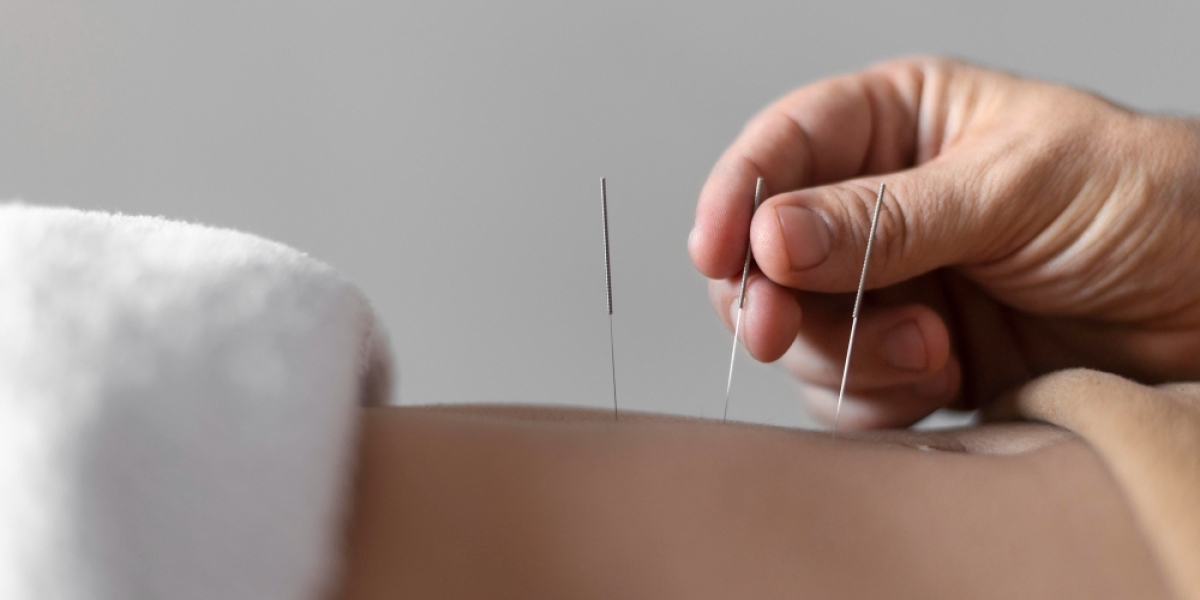

Physiotherapy continues to evolve with the introduction of advanced treatment techniques that focus on improving patient mobility, reducing muscular discomfort and supporting functional recovery. Among these techniques, dry needling has gained attention for its targeted approach to managing muscular trigger points and neuromuscular conditions.
For physiotherapists looking to expand their clinical knowledge, enrolling in the Best dry needling course in Dubai can be an important step towards developing specialised treatment skills. Practical training, anatomical understanding and supervised clinical experience are essential for learning how to apply this technique safely and effectively.
Dry needling requires more than an understanding of needle placement. Practitioners must recognise muscular dysfunction, assess patient conditions, identify appropriate treatment areas and understand potential risks. A structured learning programme helps physiotherapists develop these competencies while strengthening their overall clinical decision-making abilities.
Understanding Dry Needling in Physiotherapy
Dry needling is a therapeutic technique that involves inserting fine, sterile needles into specific muscular tissues, commonly targeting myofascial trigger points. Unlike injection-based treatments, dry needling does not involve introducing medication or other substances into the body.
The technique is primarily used as part of a broader physiotherapy treatment plan. It may help address muscular pain, movement restrictions and certain neuromuscular complaints.
Trigger points are sensitive areas within skeletal muscles that may be associated with local discomfort, referred pain and restricted movement. Identifying these points requires a sound understanding of muscular anatomy and clinical assessment.
Physiotherapists interested in the Best dry needling course in Dubai should understand that the technique is not a standalone solution for every musculoskeletal condition. Its application should be based on individual assessment, clinical reasoning and patient-specific treatment objectives.
Why Dry Needling Training Matters for Physiotherapists
Learning dry needling through structured professional training helps physiotherapists understand both the theoretical and practical aspects of the technique.
Although the procedure may appear straightforward, it involves several important clinical considerations.
1. Developing Anatomical Knowledge
Accurate anatomical knowledge is essential for safe needle placement. Physiotherapists must understand muscle structure, tissue depth, surrounding nerves, blood vessels and other anatomical landmarks.
Training helps practitioners identify treatment areas while recognising structures that must be avoided.
2. Improving Clinical Assessment Skills
Before applying dry needling, practitioners must evaluate the patient's symptoms, movement patterns, muscular tenderness and medical history.
A proper assessment helps determine whether the technique is appropriate for the patient's condition.
3. Understanding Trigger Point Identification
Trigger points may contribute to muscular discomfort and movement limitations. Recognising their location and clinical relevance requires practical knowledge of different muscle groups.
Training helps physiotherapists develop a systematic approach to identifying and assessing these areas.
4. Building Practical Confidence
Supervised practical sessions allow participants to understand needle handling, positioning, hygiene and treatment precautions.
This experience is particularly important for professionals who are learning the technique for the first time.
What to Expect from the Best Dry Needling Course in Dubai
Choosing an appropriate training programme requires evaluating its curriculum, teaching methodology and practical components.
The Best dry needling course in Dubai should provide a balanced learning experience that covers essential theoretical concepts alongside supervised practical training.
Some important areas to consider include:
Fundamentals of Dry Needling
Participants should learn the principles behind dry needling, its clinical applications and how it differs from other treatment approaches.
This foundation helps physiotherapists understand the purpose of the technique before progressing to practical applications.
Musculoskeletal Anatomy
A comprehensive understanding of musculoskeletal anatomy is essential for identifying relevant muscles and surrounding structures.
Training should cover major muscle groups, anatomical landmarks, tissue characteristics and areas requiring additional caution.
Trigger Point Assessment
Participants should understand how to assess muscular tenderness, identify potential trigger points and evaluate their relationship with patient symptoms.
This includes learning palpation techniques and understanding referred pain patterns.
Needle Handling Techniques
Practical education should introduce participants to appropriate needle handling, insertion principles, positioning and safe disposal procedures.
These skills must be developed under suitable supervision and within the practitioner's authorised scope of practice.
Patient Safety and Precautions
Safety should remain central throughout the training programme.
Physiotherapists need to understand infection prevention, contraindications, possible adverse events and appropriate responses to complications.
Important Muscles Covered During Dry Needling Training
A structured dry needling programme may introduce participants to different muscle groups commonly assessed in musculoskeletal physiotherapy.
The specific muscles covered depend on the course curriculum and the participant's professional background.
Upper Trapezius
The upper trapezius is frequently associated with neck and shoulder discomfort. Muscular tension in this region may occur due to prolonged sitting, repetitive activities and postural demands.
Understanding its anatomy and surrounding structures is important when studying treatment approaches for upper-body muscular complaints.
Levator Scapulae
The levator scapulae contributes to scapular movement and neck positioning. Dysfunction in this muscle may be associated with restricted neck movement and shoulder discomfort.
Physiotherapists should understand its anatomical location and relationship with nearby structures.
Quadratus Lumborum
The quadratus lumborum plays an important role in lumbar stability and lateral trunk movement.
Knowledge of this muscle is relevant when assessing certain lower-back complaints and muscular movement restrictions.
Gluteal Muscles
The gluteal muscle group contributes to hip stability, pelvic control and lower-limb movement.
Understanding the gluteal muscles helps physiotherapists evaluate muscular function during walking, running and other functional activities.
Gastrocnemius and Soleus
These calf muscles contribute to ankle movement and activities such as walking, running and jumping.
Their structure and function are important when studying lower-limb rehabilitation and muscular assessment.
The Role of Practical Training in Skill Development
Practical learning is one of the most important aspects of professional dry needling education.
Reading about anatomical structures and needle placement provides theoretical knowledge, but supervised practice helps participants understand how these concepts apply in clinical situations.
A well-structured practical component should include demonstrations, anatomical identification exercises and supervised skill development.
Participants should also learn how to position patients appropriately and maintain suitable hygiene standards.
When evaluating the Best dry needling course in Dubai, physiotherapists should pay attention to the amount and quality of practical instruction rather than focusing only on the duration of the programme.
Practical exposure should always be appropriate to the participant's qualifications, experience and professional scope.
Patient Assessment Before Dry Needling
Patient assessment is a fundamental part of responsible clinical practice.
Before considering dry needling, physiotherapists should gather relevant information about the patient's condition and determine whether the technique is suitable.
Medical History
A detailed medical history helps identify factors that may affect treatment suitability. This includes existing health conditions, medication use, previous injuries and relevant surgical history.
Physical Examination
A physical examination may include movement assessment, muscular palpation, functional testing and evaluation of the affected region.
The findings help practitioners understand the possible causes of symptoms.
Contraindications and Precautions
Certain conditions may require additional precautions or make dry needling unsuitable.
These may include bleeding disorders, increased infection risk, compromised immunity, needle-related anxiety and specific medical conditions.
Physiotherapists should also understand anatomical regions where needle placement requires particular caution.
Informed Consent
Patients should receive clear information about the proposed procedure, potential benefits, possible risks and available alternatives.
Obtaining informed consent is an essential part of ethical healthcare practice.
Safety Standards and Infection Control
Dry needling involves the use of needles that penetrate the skin, making infection prevention and safe handling essential.
Professional training should explain the importance of maintaining appropriate clinical hygiene standards.
Important safety considerations include:
Using sterile, single-use needles.
Maintaining appropriate hand hygiene.
Preparing the treatment area correctly.
Following safe needle disposal procedures.
Avoiding unsafe anatomical regions.
Recognising and responding to adverse events.
Maintaining appropriate clinical documentation.
Physiotherapists should understand that patient safety depends on careful assessment, proper training and adherence to applicable professional regulations.
Who Should Consider Learning Dry Needling?
Dry needling training is generally intended for qualified healthcare professionals whose education and professional regulations permit them to perform the technique.
Physiotherapists working in different clinical environments may find the subject relevant to their professional development.
Musculoskeletal Physiotherapists
Professionals working with muscular pain, movement restrictions and orthopaedic conditions may benefit from understanding dry needling as a potential component of rehabilitation.
Sports Physiotherapists
Sports physiotherapists frequently assess muscular injuries, movement limitations and physical performance concerns.
Knowledge of dry needling may contribute to their understanding of different musculoskeletal treatment approaches.
Orthopaedic Rehabilitation Professionals
Physiotherapists involved in orthopaedic rehabilitation may explore the technique to expand their understanding of muscular dysfunction and patient management.
Experienced Clinical Practitioners
Professionals with existing clinical experience may consider additional training to strengthen their anatomical knowledge and explore specialised treatment techniques.
Eligibility should always be checked against the training provider's requirements and the relevant professional regulations.
How to Evaluate a Dry Needling Training Programme
Selecting the right educational programme requires careful consideration of several factors.
Instead of making a decision based only on course duration or promotional claims, physiotherapists should evaluate the quality and relevance of the training.
Consider the following points:
Qualified Instructors: Check whether the instructors have appropriate clinical experience, relevant qualifications and expertise in dry needling education.
Structured Curriculum: The programme should cover anatomy, trigger point assessment, clinical applications, contraindications and patient safety.
Practical Exposure: Supervised practical learning should form an important part of the educational experience.
Small Learning Groups: Appropriate group sizes can provide better opportunities for individual guidance and practical feedback.
Professional Eligibility: Confirm that the programme is suitable for your qualifications and that its training meets applicable professional requirements.
Assessment and Feedback: Practical evaluations and instructor feedback can help identify areas requiring further improvement.
These considerations can help physiotherapists make a more informed decision when searching for the Best dry needling course in Dubai.
Career Development Opportunities After Dry Needling Training
Continuing professional education plays an important role in the development of physiotherapists.
Learning an additional clinical technique can strengthen professional knowledge and introduce practitioners to different approaches to musculoskeletal assessment and rehabilitation.
Dry needling education may be relevant to professionals working in:
Musculoskeletal rehabilitation.
Sports physiotherapy.
Orthopaedic rehabilitation.
Private physiotherapy practice.
Clinical rehabilitation settings.
Pain management services.
However, completing a training programme does not automatically provide unrestricted professional practice rights. Physiotherapists must follow the applicable licensing requirements, regulatory standards and scope-of-practice guidelines in the UAE.
Ongoing learning, clinical experience and responsible treatment decisions remain essential for professional development.
Common Misconceptions About Dry Needling
Despite its growing use in physiotherapy, several misconceptions surround dry needling.
Dry Needling and Acupuncture Are the Same
Both techniques involve needle insertion, but their theoretical foundations, assessment methods and treatment objectives differ.
Dry needling is generally discussed within a musculoskeletal and neuromuscular framework, while acupuncture has roots in traditional Chinese medicine.
Dry Needling Always Produces Immediate Results
Treatment responses vary between individuals. Some patients may experience temporary changes in discomfort or movement, while others may require different treatment approaches.
Outcomes depend on the patient's condition, overall rehabilitation plan and individual response.
Dry Needling Can Replace Physiotherapy
Dry needling should not automatically replace exercise therapy, manual therapy, education or other appropriate rehabilitation methods.
A comprehensive treatment plan should address the underlying functional limitations and individual patient needs.
Conclusion
Dry needling has become an important subject in advanced physiotherapy education because it combines anatomical understanding, clinical assessment and specialised practical skills.
For physiotherapists considering the Best dry needling course in Dubai, selecting a programme with structured theoretical education, supervised practical experience and strong patient safety standards is essential.
Understanding trigger points, muscular anatomy, needle handling, contraindications and infection control helps practitioners develop a responsible approach to the technique.
Ultimately, professional development in dry needling should focus on improving clinical knowledge rather than simply learning a new procedure. With appropriate education, practical supervision and continued professional learning, physiotherapists can strengthen their understanding of musculoskeletal rehabilitation and make more informed clinical decisions.