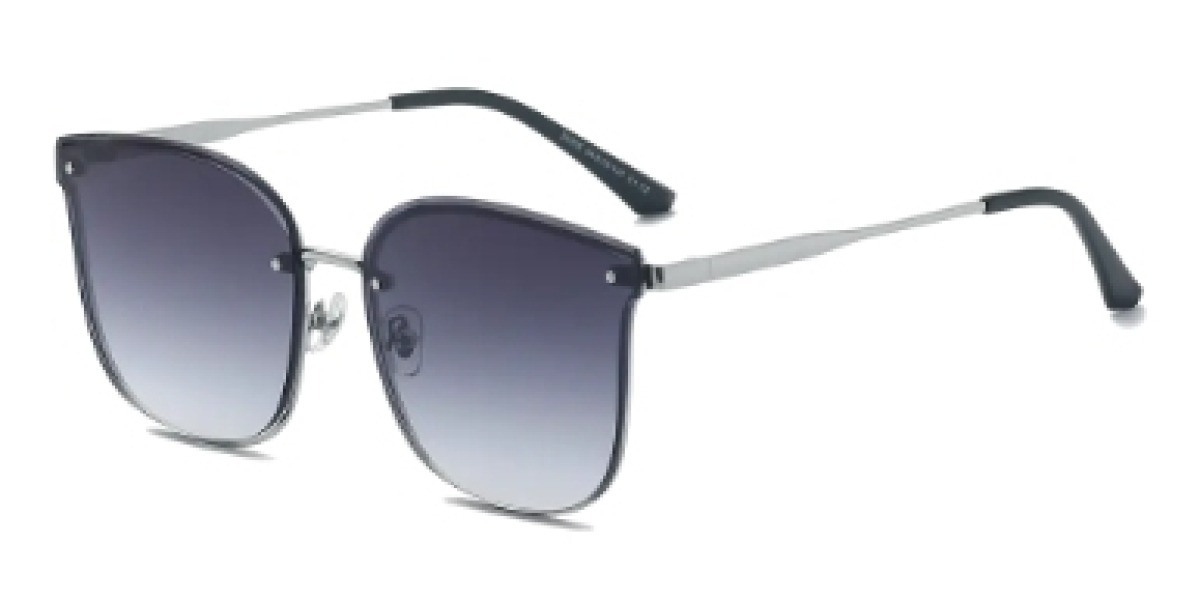

As computers, smartphones, tablets, and other digital devices become part of everyday routines, eyewear designed for screen-related use has gained attention across optical and fashion retail markets. For distributors and retailers, Blue Light Glasses Anti Glare is a product category that requires careful attention to lens terminology, coating options, frame construction, and consumer expectations. Although these products are often discussed together, blue light filtering and anti-reflective treatments describe different lens characteristics. Understanding the distinction helps buyers select suitable products and communicate their features accurately.
Blue light is part of the visible light spectrum and is emitted by natural and artificial sources, including electronic displays. The amount and characteristics of light reaching the eyes depend on the source, brightness, distance, and surrounding environment. Blue light filtering lenses are designed to reduce the transmission of selected wavelengths within the blue portion of the visible spectrum. The degree of filtering varies between products according to lens material, coating technology, and manufacturer specifications.
Anti-reflective treatment serves a different purpose. It is designed to reduce reflections from lens surfaces, helping improve the visual appearance of lenses and reducing distracting reflections under certain lighting conditions. Reflections can occur when light encounters the front and back surfaces of a lens. An appropriate anti-reflective coating changes how these reflections are managed. This treatment may be used on different categories of optical lenses and does not automatically indicate that the lens has blue light filtering properties.
Some products combine blue light filtering characteristics with anti-reflective treatment. For buyers, this combination can be relevant when developing eyewear collections for consumers who spend considerable time using digital devices. However, the exact optical properties should always be confirmed through product specifications. A lens should not be described as blocking all blue light unless that claim is supported by reliable technical evidence. Similarly, anti-glare terminology should be used carefully because consumers may interpret it as referring to several different optical effects.
Lens construction and material selection influence the appearance and usability of screen-related eyewear. Depending on the product, lenses may use different optical materials and surface treatments. Clear lenses are commonly selected for products intended to maintain a relatively neutral appearance, while some filtering lenses may have a visible tint or reflection. Buyers should examine samples under different lighting conditions because coating colors and residual reflections can influence the product's appearance in photographs and retail displays.
Frame construction is another important element. Digital eyewear is often worn during work, study, reading, and other everyday activities, so dimensions and fit deserve attention. Front width, bridge size, temple length, and overall frame weight can influence wearing comfort. Lightweight plastic frames offer design flexibility, while acetate and metal options provide different visual styles. The most suitable construction depends on the target customer, preferred appearance, intended use, and retail price range.
Product development should begin with a clear definition of the required lens characteristics. Buyers may specify whether they need blue light filtering, anti-reflective treatment, or a combination of both. They should also clarify whether the eyewear is designed as non-prescription screen glasses or as frames intended for prescription lens fitting. These categories may involve different purchasing and fitting requirements. Confirming the intended use early helps suppliers provide more relevant product information and prevents confusion during product development.
Optical verification is important when products are marketed with specific filtering or coating claims. Buyers should request relevant technical documentation where available and confirm the testing basis for any advertised performance figures. The visual color of a lens is not sufficient evidence of its filtering characteristics. Likewise, a product's marketing name does not establish a particular level of optical performance. Accurate specifications support more responsible product descriptions and help reduce misunderstandings between suppliers, retailers, and end customers.
Frame and lens quality inspection should address different aspects of the finished eyewear. Frame checks may include symmetry, hinge movement, surface finishing, and component alignment. Lens checks can include visible scratches, coating uniformity, clarity, and conformity with the approved specification. Packaging should also protect the lenses during storage and transportation. Since coated lens surfaces may require appropriate handling, buyers should discuss cleaning instructions and packaging protection with their suppliers before confirming bulk orders.
For a Blue Light Glasses Anti Glare collection, the purchasing process should establish exactly what the product offers rather than relying on broad promotional language. Importers should confirm lens specifications, available frame styles, color options, packaging, and any supporting product documentation. If a private-label collection is planned, logo presentation, retail packaging, and product information should be reviewed together. Clear communication about the intended market and sales channel can also help determine which frame styles and lens combinations are most appropriate.
Market opportunities exist across office supplies, optical retail, lifestyle accessories, and online eyewear businesses. However, consumer education remains important because buyers may confuse blue light filtering, anti-reflective coatings, UV protection, and prescription correction. These features should be presented as separate characteristics unless the actual product specification confirms that several are included. Retailers can strengthen customer confidence by providing accurate product information and avoiding unsupported medical or health-related promises. Businesses looking for screen-related eyewear and optical frame options can explore Zhejiang Zhansheng Glasses Co., Ltd.'s product range at https://www.kaiziglasses.com/product/blue-light-glasses/ when developing their international purchasing collections.










