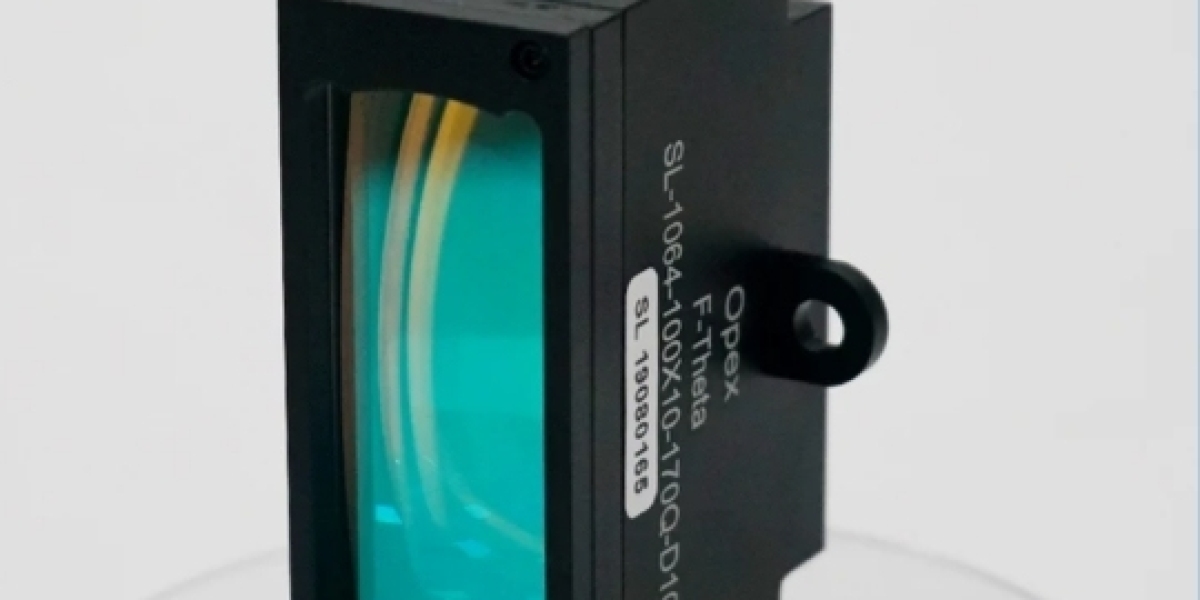

A laser system relies on several optical components to deliver accurate and consistent results, and the lens is one of the most important parts. A laser lens helps focus or direct the laser beam toward a specific point, allowing the machine to perform tasks such as cutting, welding, engraving, marking, and cleaning with greater precision.
The quality of the lens can influence the beam's focus, energy distribution, and overall processing performance. Whether a laser machine is used in a small workshop or a large manufacturing facility, selecting the right optical component is an important step toward achieving the desired results.
How Laser Lenses Work
Laser lenses work by refracting or focusing light as it passes through their optical surfaces. In many industrial laser systems, focusing lenses concentrate the laser beam into a small spot on the material. This concentrated energy helps the machine process different materials, including metals, plastics, glass, and other surfaces, depending on the laser type and application.
Different lenses are designed for different purposes. Some are used in laser cutting systems, while others are suitable for laser welding, engraving, marking, and cleaning machines. Their focal length, diameter, material, and optical coating are important factors when choosing a lens for a specific machine.
Types of Laser Lenses Used in Industrial Machines
Industrial laser equipment uses several types of optical lenses. Focusing lenses are commonly used to concentrate the beam onto the workpiece. Collimating lenses help control the beam direction and maintain a more parallel beam path. Protective lenses, also known as cover glasses in many laser systems, protect sensitive internal optics from dust, sparks, debris, and other contaminants.
Each optical component has a specific purpose, so compatibility with the laser source and machine configuration should always be considered before purchasing replacement parts.
Choosing the Right Lens for Your Laser Machine
When selecting a replacement lens, users should check the machine model, lens dimensions, focal length, optical material, and coating specifications. Using an incompatible lens may affect beam quality, processing accuracy, or equipment performance.
Regular inspection and cleaning are also necessary to maintain optical clarity. Dust, fingerprints, smoke residue, and other contaminants can interfere with laser transmission. Proper handling, storage, and maintenance help keep the optical components in suitable working condition.
Maintaining Laser Optics for Long-Term Use
Laser lenses should be handled carefully because their optical surfaces can be easily damaged. Always follow the manufacturer's cleaning instructions and use suitable optical cleaning materials. Avoid touching the lens surface directly with bare fingers, and keep unused optics in clean protective packaging.
Final Thoughts
A properly selected and maintained laser lens is an essential component for achieving consistent laser processing results. Understanding lens specifications, compatibility, cleaning procedures, and optical requirements helps users make informed decisions when maintaining or upgrading industrial laser equipment. Choosing the correct optics can support stable operation across a wide range of laser applications.