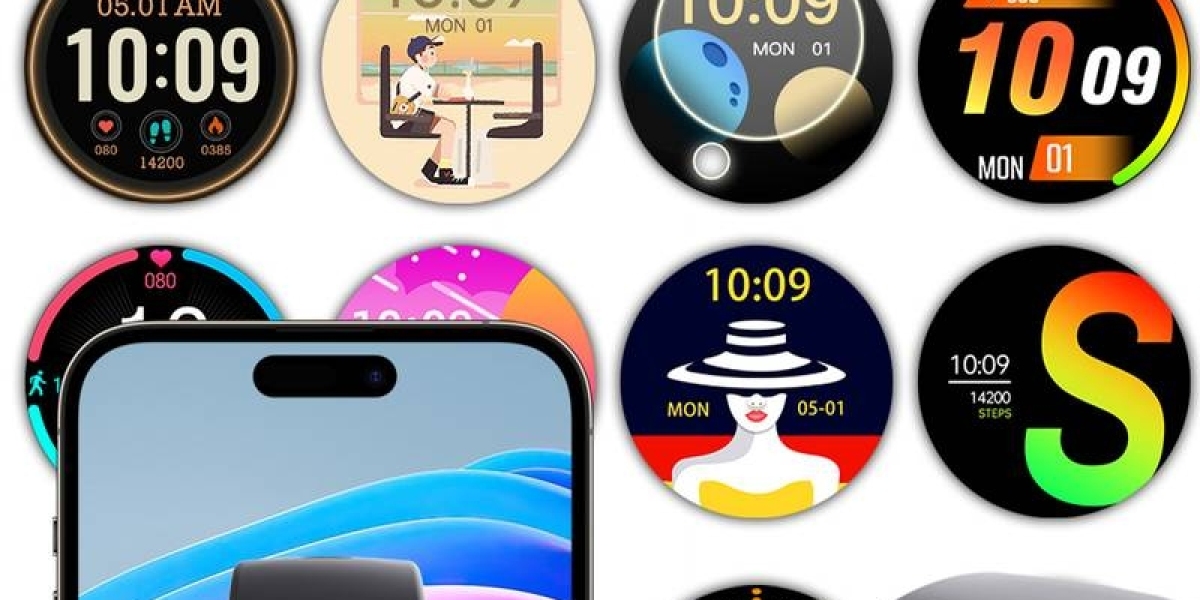

Technology has transformed traditional wristwatches into versatile devices that offer much more than simple timekeeping. Modern wearables combine digital displays, smartphone connectivity, fitness tracking, and everyday tools in compact designs. Smart watches appeal to people who want convenient access to useful information while staying connected and keeping track of their daily activities.
One of the main advantages of modern wearable devices is their ability to display important information at a glance. Users can check the time, view notifications, and access selected functions without repeatedly taking out their smartphones. Depending on the model, touchscreen displays come in different sizes and styles, while customizable watch faces allow users to personalize the appearance according to their preferences.
Fitness tracking is among the most popular smartwatch features. Many devices offer step counting, estimated distance, calorie tracking, and multiple sports modes. These functions can help users understand their daily movement and monitor exercise sessions. Whether someone enjoys walking, running, cycling, or working out at home, activity records can provide useful feedback and encourage more consistent fitness habits.
Wellness monitoring adds another dimension to the wearable experience. Depending on the device, users may have access to heart-rate readings, sleep tracking, blood oxygen estimates, and other wellness-related functions. Reviewing these records can help people become more aware of general patterns in their daily routines. However, smartwatch sensors provide estimates rather than medical-grade measurements. They should not be used to diagnose conditions or replace professional medical advice.
Communication features make wearable technology useful in many everyday situations. Compatible devices can display incoming call alerts, messages, and notifications from selected smartphone applications. Some models also support Bluetooth calling through built-in microphones and speakers. This can be convenient during exercise, commuting, or work, although calling features generally require a compatible smartphone connection.
Many smartwatches include additional tools that support everyday organization. Depending on the model, these may include alarms, timers, weather updates, music controls, calendar reminders, and phone-finding functions. Certain devices also offer remote camera controls, allowing users to operate a compatible smartphone camera from their wrist. These features make a smartwatch useful beyond exercise and communication.
A companion smartphone application is often essential for managing a wearable device. The correct app can synchronize activity information, adjust supported settings, manage notifications, and display collected records. Because different models may require different companion applications, users should check the manufacturer's instructions before downloading software. Proper pairing and compatible smartphone settings help ensure a smoother experience.
Design and comfort are equally important when choosing a smartwatch. Different devices offer various screen shapes, case materials, and strap styles. A lightweight watch may be suitable for extended daily wear, while a more refined design may complement professional clothing. Interchangeable straps and customizable displays can also provide flexibility for different occasions.
Battery performance should be considered before purchasing. Frequent notifications, continuous monitoring, Bluetooth calling, and high screen brightness can increase power consumption. Actual battery life depends on the model, settings, and usage habits. Water resistance also varies, so users should review the manufacturer's specifications and follow the recommended care instructions.
Ultimately, the right smartwatch depends on individual priorities. Some people may prefer advanced activity tracking, while others may value Bluetooth calling, attractive designs, or convenient smartphone notifications. Comparing features, application compatibility, battery performance, and comfort can help buyers make an informed choice. With the right combination of functions, wearable technology can become a practical companion for a more connected and organized lifestyle.