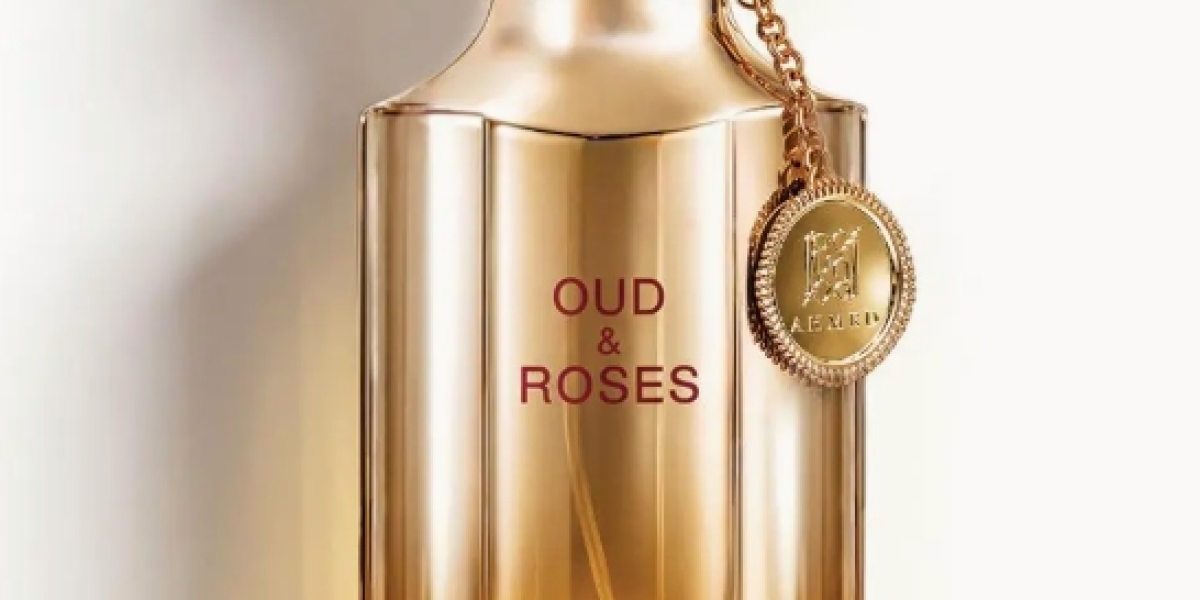

Perfumes are an important part of personal grooming and fragrance culture. They are created by combining aromatic ingredients to produce different scents that remain on the skin or clothing for a certain period. From floral and fruity fragrances to woody, spicy and oriental compositions, perfumes come in various forms, each offering a different scent experience. Understanding their ingredients, fragrance families and composition helps people learn how fragrances are developed and how they behave when applied.
Understanding the Composition of Perfumes
Perfumes are made using a combination of aromatic compounds, essential oils, fragrance extracts, alcohol and other ingredients. Each component contributes to the overall scent and determines how the fragrance develops over time.
The composition of perfumes generally consists of three layers known as top notes, middle notes and base notes.
Top Notes: These are the first scents noticed after applying a fragrance. Citrus, bergamot, lemon and light fruity ingredients are commonly used.
Middle Notes: Also called heart notes, these appear after the top notes begin to fade. Rose, jasmine, lavender and other floral ingredients are frequently included.
Base Notes: These provide depth and remain noticeable for longer periods. Oud, musk, amber, sandalwood and vanilla are common examples.
These layers work together to create a balanced fragrance. The combination of different ingredients gives individual perfumes their distinct characteristics.
Different Types of Perfumes
Fragrances are available in different concentrations. The concentration refers to the amount of aromatic compounds present in a fragrance mixture. It influences the scent intensity and how long the fragrance may remain noticeable.
1. Parfum
Parfum contains a relatively high concentration of aromatic compounds. Its composition is generally richer, and the fragrance can remain noticeable for several hours, depending on the ingredients and skin type.
2. Eau de Parfum
Eau de Parfum contains a moderate to high concentration of fragrance oils. It is commonly used for everyday activities, social gatherings and evening occasions.
3. Eau de Toilette
Eau de Toilette has a lighter concentration than Eau de Parfum. Its scent is generally less intense, making it suitable for people who prefer a lighter fragrance.
4. Eau de Cologne
Eau de Cologne usually contains a lower concentration of aromatic ingredients. Citrus and fresh notes are commonly found in this category.
5. Perfume Oils
Perfume oils are concentrated fragrance compositions that do not necessarily contain the same alcohol content as spray fragrances. They are applied in small quantities, usually to pulse points.
Popular Fragrance Families
Fragrance families help classify perfumes according to their dominant scent characteristics. Each family contains different ingredients and combinations.
Floral Fragrances: Floral compositions include rose, jasmine, lily, violet and other flower-based notes. They can range from light and fresh to rich and powdery.
Woody Fragrances: Sandalwood, cedarwood, vetiver and patchouli are commonly used in woody fragrances. These ingredients create earthy, warm and deep scent profiles.
Oriental Fragrances: These compositions often include amber, musk, spices, vanilla and oud. They are generally associated with warm and rich fragrance characteristics.
Fresh Fragrances: Fresh compositions use citrus, aquatic and green notes. Lemon, bergamot, mint and marine accords are frequently included.
Fruity Fragrances: Apple, peach, pear, berries and other fruit-inspired notes contribute sweetness and freshness to different fragrance compositions.
How Perfumes Develop on the Skin
The scent of perfumes can change after application because different fragrance ingredients evaporate at different rates. Top notes are generally noticeable first, followed by the middle and base notes.
Skin chemistry, temperature, humidity and the concentration of fragrance ingredients can influence how a scent develops. The same fragrance may smell slightly different on two individuals because their skin conditions are not identical.
Application also affects fragrance performance. Areas such as the wrists, neck and behind the ears are commonly used because they are pulse points. However, the amount applied and the surrounding environment can influence how noticeable the fragrance becomes.
Factors That Influence Fragrance Longevity
The longevity of perfumes depends on several factors, including their concentration, ingredients and storage conditions.
Fragrances containing heavier base notes, such as musk, amber, sandalwood and oud, may remain noticeable longer than compositions dominated by lighter citrus ingredients.
Skin moisture can also affect fragrance performance. Dry skin may not retain certain fragrance compositions as long as moisturised skin. Weather conditions and physical activity can further influence how a fragrance behaves throughout the day.
Proper storage is another important consideration. Perfumes should generally be kept away from direct sunlight, excessive heat and humidity. A cool, dry place helps maintain the composition and scent characteristics.
How to Store and Apply Perfumes
Correct storage and application help maintain fragrance quality. Bottles should remain tightly closed when not in use to limit exposure to air. Keeping them inside their original packaging can also reduce exposure to light.
For application, a small quantity can be sprayed onto clean, dry skin. Rubbing the wrists together immediately after application is generally unnecessary because it may affect the way the fragrance develops. Spraying directly onto delicate fabrics should be avoided unless the product instructions allow it.
Different perfumes have different compositions, so application instructions may vary. Reading the product label provides information about its intended use and precautions.
Conclusion
Perfumes combine aromatic ingredients to create fragrances with different notes, concentrations and scent characteristics. Understanding fragrance families, top notes, heart notes and base notes provides insight into how these compositions develop. Their longevity depends on ingredients, skin chemistry, environmental conditions and storage practices. Learning about these factors makes it easier to understand fragrance composition, application methods and the differences between various types of perfumes.









