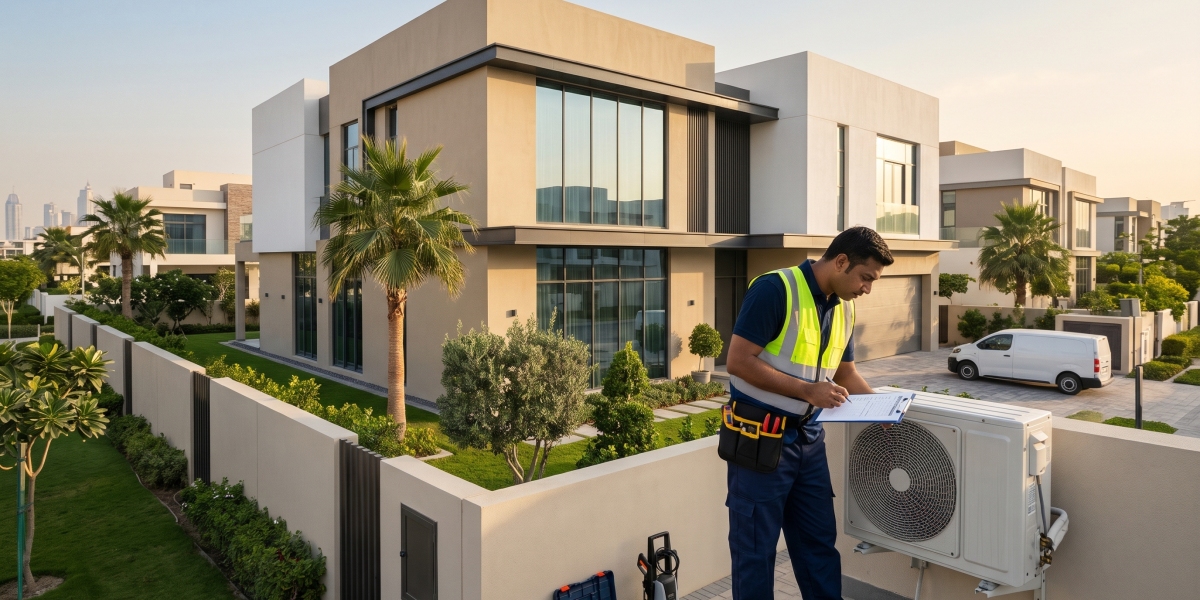

Dubai’s real estate market offers attractive opportunities for property owners and investors. Whether you own a residential apartment, a family villa, or a commercial property, keeping your investment in good condition is essential. However, owning property is not just about purchasing the right location or finding reliable tenants. It also involves taking care of the building, its facilities, and the systems that keep it functional.
Dubai’s climate, frequent dust, high temperatures, and humidity can put considerable pressure on properties over time. Air conditioning systems work hard throughout the year, outdoor surfaces face harsh weather conditions, and plumbing and electrical systems require regular attention.
Without proper maintenance, small issues can gradually develop into expensive repairs. A proactive maintenance approach helps property owners protect their investment, maintain comfortable living conditions, and avoid unnecessary disruptions.
1. Why Property Maintenance Matters in Dubai
Property maintenance is an important part of responsible real estate ownership. A well-maintained building is more likely to remain functional, attractive, and comfortable for its occupants.
Dubai properties have several maintenance requirements that owners should not overlook. Air conditioning systems need regular servicing, plumbing fixtures should be inspected for leaks, and exterior surfaces may require attention due to dust and weather exposure.
Even minor problems, such as a dripping tap, a blocked drain, or a damaged seal around a window, can become more complicated when ignored. Addressing these issues early can help prevent further damage and reduce the likelihood of unexpected repair expenses.
Regular inspections also give owners a clearer picture of their property's condition, making it easier to plan maintenance work and manage costs.
2. How Professional Maintenance Helps Protect Property Value
A property's condition can influence how potential tenants and buyers perceive it. Clean interiors, working facilities, well-kept walls, and properly maintained systems all contribute to a positive impression.
This is where professional property maintenance becomes an important part of protecting a real estate investment. Rather than waiting for something to break, property owners can arrange routine inspections and address developing problems before they become more serious.
Consistent maintenance can help protect several important areas:
Building structure: Identifying cracks, damaged surfaces, and signs of moisture early can help prevent further deterioration.
Electrical systems: Routine checks can help identify damaged switches, loose connections, and other potential issues.
Plumbing: Fixing leaks and drainage problems promptly can help reduce water damage and unnecessary water consumption.
Air conditioning: Regular servicing can support system performance and help identify issues before they cause major breakdowns.
Interior finishes: Looking after flooring, paintwork, doors, and fixtures helps maintain the property's overall appearance.
Maintenance cannot guarantee a particular resale price or rental return. However, taking care of the property helps preserve its condition and can make it more appealing to people considering renting or purchasing it.
3. Prevent Small Problems from Becoming Expensive Repairs
One of the biggest mistakes property owners can make is delaying maintenance until a problem becomes impossible to ignore.
For example, a small water leak under a kitchen sink may initially seem harmless. Over time, however, it can damage cabinets, flooring, and nearby surfaces. Similarly, an air conditioning unit that is not serviced regularly may develop performance problems that affect indoor comfort and require more extensive repairs.
Preventive maintenance focuses on identifying these issues before they escalate.
A practical maintenance routine should include regular checks of plumbing connections, drainage systems, electrical fixtures, air conditioning units, windows, doors, and visible signs of moisture. The frequency of inspections will depend on the property's age, condition, usage, and equipment.
Keeping records of completed work, inspection findings, and repair costs is also useful. These records help property owners understand recurring problems and make better decisions about future maintenance.
4. Maintain Tenant Comfort and Reduce Vacancy Risks
For landlords, tenant satisfaction is closely connected to the quality and reliability of property facilities. People expect their homes and workplaces to be comfortable, safe, and functional.
A faulty air conditioner during the summer, a plumbing problem in the bathroom, or unreliable electrical fixtures can quickly affect the tenant experience. Delayed repairs may also lead to complaints and disagreements between tenants and property owners.
Responding to maintenance requests promptly shows tenants that the property is being managed responsibly. It can also help build trust and encourage tenants to take better care of the space.
For commercial property owners, reliable maintenance is equally important. Businesses depend on functional lighting, climate control, plumbing, and other building facilities to operate without unnecessary interruptions.
Although maintenance alone cannot prevent every vacancy, a well-kept property can support tenant satisfaction and help owners maintain a more consistent rental experience.
5. Protect Your Property Against Dubai’s Climate
Dubai's environmental conditions make regular property care particularly important. High temperatures, dust, and humidity can affect different parts of a building in different ways.
Air conditioning systems often require attention because of their frequent use. Filters, drainage lines, coils, and other components should be checked and serviced according to the manufacturer's recommendations.
Outdoor areas also need care. Balconies, terraces, roofs, exterior walls, and window seals should be inspected for visible damage or signs of water penetration.
Humidity can contribute to mould growth when moisture is allowed to accumulate, particularly in poorly ventilated areas. Checking bathrooms, kitchens, ceilings, and hidden corners for dampness can help property owners identify concerns early.
A maintenance plan based on the property's specific needs is more effective than waiting for seasonal problems to appear.
6. Create a Practical Property Maintenance Schedule
A structured maintenance schedule makes it easier to manage a property without constantly reacting to emergencies. It also helps owners budget for routine work throughout the year.
Here is a simple example of how maintenance activities can be organised:
| Frequency | Recommended maintenance tasks |
|---|---|
| Monthly | Check visible plumbing leaks, drainage, lighting, and air conditioning performance |
| Quarterly | Inspect air conditioning filters and drainage, plumbing fixtures, and common areas |
| Every six months | Review electrical fixtures, doors, windows, seals, and visible exterior conditions |
| Annually | Arrange a broader property inspection and review major systems and maintenance records |
This is a general planning guide, not a replacement for manufacturer instructions, building requirements, or professional inspection recommendations. Some equipment and property types may need more frequent servicing.
Owners should also keep a reasonable maintenance budget. Setting aside funds for routine servicing and unexpected repairs can make property management more predictable.
7. Choose the Right Maintenance Support for Your Property
Managing maintenance personally can become difficult, especially for owners with multiple properties or those who live outside Dubai. Finding technicians, arranging inspections, following up on repairs, and keeping track of completed work all require time and attention.
Working with a reliable maintenance provider can simplify this process. Before choosing one, consider the range of services offered, communication practices, experience with similar properties, and clarity around quotations and repair recommendations.
It is also worth checking whether the provider can handle recurring maintenance as well as individual repair requests. Having a clear point of contact can make it easier to coordinate work and monitor the property's condition.
Property owners should request clear details about the work required, expected costs, and any follow-up recommendations before approving major repairs.
Conclusion
A real estate investment requires ongoing attention long after the purchase is complete. In Dubai, where heat, dust, and humidity can affect building systems and surfaces, regular property maintenance plays an important role in protecting the condition of a building.
By addressing small problems early, maintaining essential systems, keeping the property presentable, and following a practical inspection schedule, owners can reduce avoidable repair costs and support a better experience for tenants.
The key is to treat maintenance as part of long-term property management rather than an expense that only needs attention when something goes wrong. A well-maintained property is easier to manage, more comfortable to occupy, and better prepared for the demands of Dubai’s real estate market.