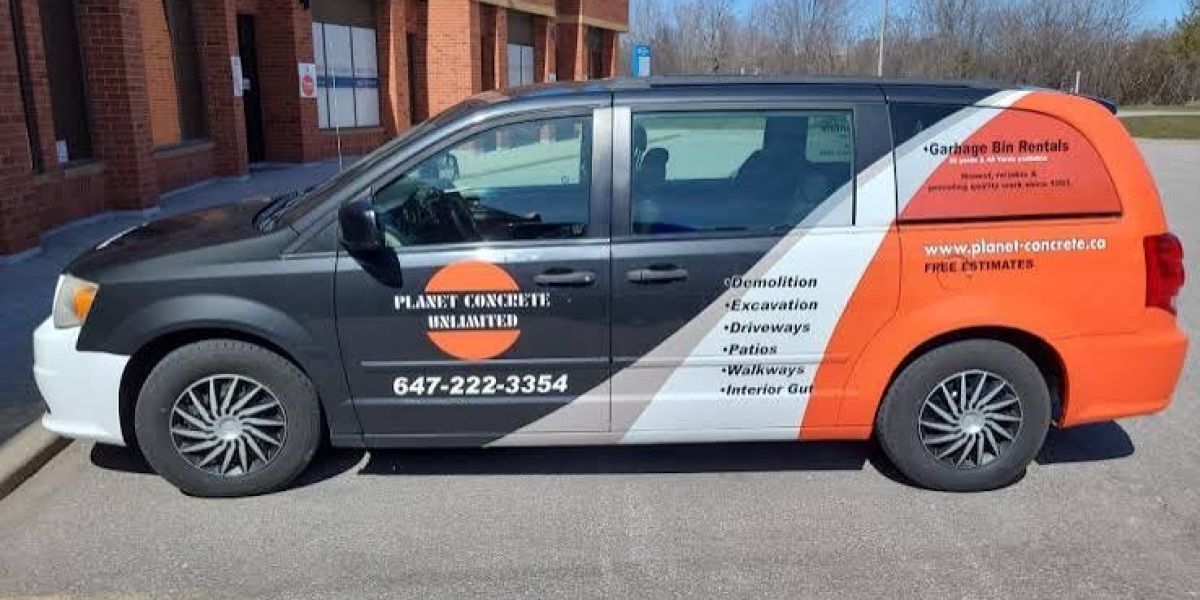

A company vehicle is often one of the most visible parts of a service business. It travels between customer locations, moves through residential neighbourhoods, visits commercial properties, and may remain parked outside a job site for several hours. Despite this visibility, many businesses use plain vehicles that do little to communicate their identity. Thoughtfully planned vehicle branding can turn those vehicles into recognizable business assets.
Vehicle graphics allow businesses to display their name, logo, contact details, website, and services on cars, vans, and commercial trucks. They can range from simple lettering to more detailed designs covering multiple vehicle panels. The right approach depends on the type of business, its audience, its vehicles, and the message it wants people to remember.
Planning is important because vehicle branding has to work in a very different environment from a website, brochure, or storefront. People may see a moving vehicle for only a few seconds. The design therefore needs to communicate clearly, remain readable from a distance, and fit the vehicle's shape.
Why Should Businesses Invest in Professional Vehicle Branding?
Vehicle branding can help a business build recognition in the areas where it operates. A service company may visit the same neighbourhoods regularly, giving residents repeated opportunities to see its name and logo. Over time, consistent exposure can make the business more familiar.
A branded vehicle can also help customers identify employees who arrive at their homes or workplaces. This is especially useful for contractors, maintenance providers, delivery companies, cleaning services, and other businesses that send staff to customer locations. A clearly marked vehicle can make it easier to recognize which company is providing the service.
Professional branding also helps communicate that the business takes its presentation seriously. A coordinated design, readable lettering, and well-maintained graphics can create a more organized appearance. This does not replace good service or customer reviews, but it can support the overall impression a company makes.
What Information Should Be Included in Vehicle Graphics?
The most effective designs prioritize essential information. The company name and logo should usually be the most prominent elements because they help people identify the business. A short service description can explain what the company does, while a website or phone number gives interested viewers a way to make contact.
Businesses should avoid treating the vehicle as a complete advertising brochure. Including every service, discount, certification, social media account, and promotional message can make the design crowded. When people see a vehicle in traffic, they may not have enough time to read several lines of small text.
A useful approach is to decide on one primary message and a small number of supporting details. For example, a plumbing company may display its business name, logo, a short phrase identifying its services, and its website. A landscaping company may use a visual related to its work, supported by a clear name and contact detail.
The information should also be accurate and current. An outdated phone number or inactive website can make the branding less useful. Before approving the artwork, business owners should check spelling, contact details, logo proportions, and the exact wording of every service description.
How Should the Design Fit the Vehicle?
A vehicle is not a flat advertising surface. Its doors, windows, handles, wheel arches, curves, panel gaps, and body lines all influence the final layout. A design that looks attractive on a computer screen may not work once it is applied to the actual vehicle.
The first step is to identify the vehicle's make, model, and year. Measurements should be based on the specific vehicle rather than a general template. This helps the designer position important text and images without placing them across handles, hinges, or other areas that may interrupt the design.
The layout should be reviewed from different viewing angles. Side panels often provide substantial space for the business name and logo. Rear doors can be useful for contact details because people may see them while following the vehicle. The front section may have less usable space and should not be overloaded with information.
Colour contrast should be considered carefully. Text must remain readable against the vehicle's paint colour and the graphic background. If the design includes photographs or detailed illustrations, they should not compete with the main business information.
What Materials and Finishes Should Businesses Consider?
The choice of material depends on the vehicle, the desired coverage, the design, and the conditions in which the vehicle operates. Some projects require graphics for a few selected panels, while others involve larger printed sections. The material should be suitable for the intended application and the vehicle's surface.
Business owners should ask about durability, cleaning instructions, exposure to sunlight, and the care needed to maintain the finished appearance. Vehicles regularly encounter dust, rain, road debris, temperature changes, and frequent washing. Material selection and proper installation both affect how the graphics perform.
Surface preparation is particularly important. Dirt, wax, grease, and other contaminants can interfere with application. The vehicle should be inspected before installation so that existing damage, paint problems, or surface irregularities can be identified.
Owners should also ask how damaged graphics can be repaired or replaced. If one panel becomes scratched, it may be possible to replace only that section, depending on the design and material. Planning for future repairs can help a business manage its branding over time.
How Can Businesses Maintain a Consistent Brand Identity?
A company's vehicle design should connect with its other marketing materials. Using the same logo, brand colours, and typography across vehicles, websites, uniforms, business cards, and signage can make the business easier to recognize.
Consistency does not require every design to look exactly the same. A vehicle has limited space and different viewing conditions from a storefront or website. The layout should be adapted to the format while retaining the elements that make the brand recognizable.
Businesses with several vehicles should consider creating a standard design system. This can define logo placement, colour use, typography, contact information, and the order in which services are displayed. A standard approach helps maintain consistency when new vehicles are added to the fleet.
What Should Businesses Ask Before Hiring a Vehicle Graphics Provider?
Before approving a project, business owners should ask about the design process, vehicle measurements, material options, installation conditions, expected timeline, and maintenance guidance. They should also request a detailed quotation explaining what is included.
Reviewing previous projects can help a business understand the provider's design and installation experience. It is useful to look for examples involving similar vehicle types and comparable branding requirements.
Businesses considering Sign Source Solution can discuss their vehicle branding goals, review proposed design options, and confirm the project specifications before production. As with any provider, the final agreement should clearly identify the materials, coverage, installation responsibilities, and any applicable warranty.
How Can Businesses Evaluate the Results?
The impact of vehicle branding can be evaluated through customer feedback and business enquiries. Companies can ask new customers how they discovered the business and whether they had previously noticed its vehicles. They can also monitor visits to a dedicated web page or use a campaign-specific contact method if they want to measure responses more closely.
These methods will not capture every person who sees a vehicle, but they can provide useful feedback. Businesses should also inspect the graphics regularly to make sure the design remains clean, readable, and accurate.
Final Thoughts
Vehicle branding can help businesses remain recognizable while carrying out their everyday operations. The strongest designs combine a clear message, suitable materials, accurate vehicle measurements, and consistent brand elements. By planning the project carefully and maintaining the finished graphics, businesses can make their vehicles a useful part of their wider marketing strategy.