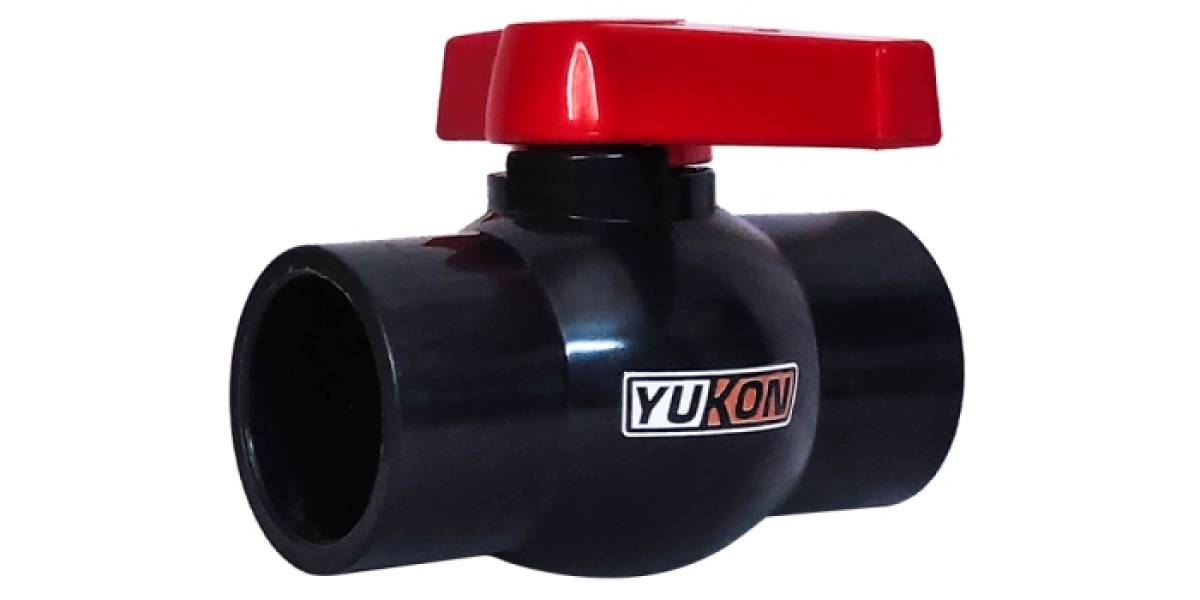

Choosing the right PVC single piece ball valve is important for maintaining reliable flow control in water distribution, irrigation, and industrial pipeline systems. Buyers need to consider more than just the connection size. Pressure rating, operating temperature, fluid compatibility, and installation requirements also play an important role in selecting a suitable valve.
A single piece ball valve offers a compact construction and simple quarter-turn operation. Understanding its size and pressure specifications helps buyers make better purchasing decisions and avoid problems during operation.
What Is a PVC Single Piece Ball Valve?
A PVC single piece ball valve is a flow-control device with a valve body manufactured from polyvinyl chloride (PVC). Its internal mechanism contains a rotating ball with a hole through its centre.
When the handle is turned, the ball rotates to control the flow. When the bore aligns with the pipeline, the valve opens. A quarter-turn movement rotates the ball into the closed position, stopping the flow.
The single-piece body provides a compact construction. These valves are commonly considered for applications where lightweight, corrosion-resistant flow-control equipment is required.
Understanding PVC Single Piece Ball Valve Sizes
Valve size is one of the first specifications buyers should check. The selected valve must match the pipeline connection to ensure proper installation and suitable flow characteristics.
Common nominal sizes may include:
½ inch
¾ inch
1 inch
1¼ inch
1½ inch
2 inches
Larger sizes, depending on the product range
These are examples of commonly available nominal sizes, not a guarantee that every manufacturer offers all options.
Before purchasing, check the valve's nominal size, connection dimensions, and compatibility with the pipe standard being used. A mismatch can create installation difficulties or require additional fittings.
What Does Pressure Rating Mean?
Pressure rating indicates the maximum pressure a valve is designed to withstand under specified operating conditions. It is an important specification because pipeline pressure can vary depending on the system and application.
PVC ball valves are available with different pressure ratings. The actual rating depends on the valve design, material grade, size, and manufacturer's specifications.
Buyers should never assume that all PVC valves have the same pressure capacity. Always check the product's stated working pressure before installation.
Factors That Affect Pressure Performance
Several factors can influence the pressure performance of a PVC single piece ball valve.
Operating Temperature
PVC pressure capacity generally decreases as operating temperature increases. Buyers should check the manufacturer's pressure-temperature information before selecting a valve.
Valve Size and Design
Different sizes and constructions may have different pressure ratings. The specifications of the exact model should always be reviewed.
Fluid Compatibility
PVC is suitable for many liquids, but not every chemical or fluid. Chemical concentration and temperature can affect material performance.
Installation Quality
Incorrect joining, excessive tightening, unsupported piping, or mechanical stress can damage the valve and create leakage risks.
How to Choose the Right Size and Pressure
Before purchasing a valve, buyers should review the following points:
Identify the pipeline diameter and connection standard.
Determine the normal and maximum operating pressure.
Check the operating temperature range.
Confirm compatibility with the fluid being handled.
Review the manufacturer's pressure-temperature specifications.
Consider the required flow rate and installation arrangement.
Select a valve designed for the intended application.
These checks help reduce the risk of selecting an unsuitable valve and support dependable pipeline operation.
Common Applications of PVC Single Piece Ball Valves
PVC single piece ball valves are used in several applications where compatible liquids need to be controlled.
Water Distribution: Used in suitable water supply pipelines.
Agricultural Irrigation: Helps control water flow in irrigation networks.
Swimming Pools: Used in compatible filtration and circulation systems.
Water Treatment: Supports flow isolation in selected treatment arrangements.
Chemical Handling: Suitable for certain chemicals after material compatibility verification.
Industrial Pipelines: Used in fluid-handling systems within specified operating limits.
Choosing a Reliable PVC Valve Supplier
A dependable supplier should provide clear information about valve sizes, pressure ratings, material specifications, connection types, and operating limits. Buyers should also request technical details for the exact product model rather than relying on general product descriptions.
Yukon Industries is a name associated with non-metallic valve solutions. Before selecting a product, confirm its specifications and suitability for the intended pipeline conditions.
Conclusion
Selecting the right PVC single piece ball valve requires careful attention to size, pressure rating, temperature, and fluid compatibility. A valve that matches the pipeline and operating conditions can support effective flow isolation and reliable performance.
By checking technical specifications and following correct installation practices, buyers can make informed decisions and reduce avoidable pipeline problems.