
Introduction
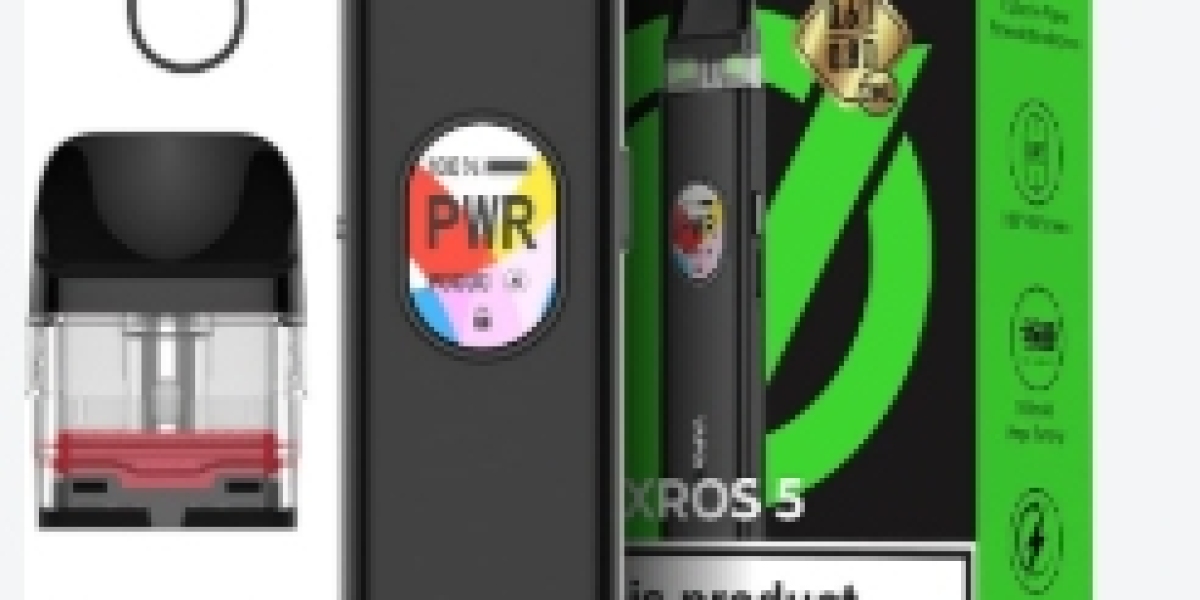
Vaporesso XROS COREX 2.0 represents an updated approach to refillable pod cartridge technology. Developed for compatible Vaporesso XROS devices, this system combines mesh heating technology, improved cotton wicking, and practical cartridge construction. Its design focuses on the internal components responsible for heating and e-liquid delivery.
Modern Pod Technology
Vaporesso XROS COREX 2.0 pod systems use compact cartridges that combine several components into one replaceable unit. COREX 2.0 follows this approach by integrating the heating element and e-liquid reservoir.
This design reduces the number of separate parts involved in cartridge replacement. Instead of changing an individual coil, users replace the complete cartridge when its internal components reach the end of their usable life.
Refined Heating Structure
The COREX 2.0 platform features an updated morph-mesh structure. Mesh heating technology provides a broad surface for distributing heat.
Vaporesso's design refinements aim to improve temperature consistency and heating efficiency. These characteristics depend on the selected resistance, compatible device, and correct operating conditions.
Improved Cotton Wicking
Cotton wicking is another important part of the cartridge design. Its primary function is transporting e-liquid from the reservoir towards the heating element.
COREX 2.0 includes refinements intended to improve liquid absorption and delivery. Maintaining an adequate liquid supply is important because insufficient saturation can damage the internal cotton.
Multiple Resistance Configurations
The COREX 2.0 cartridge family includes different resistance ratings. Options commonly include 0.4Ω, 0.6Ω, 0.8Ω, 1.0Ω, and 1.2Ω.
Each configuration has different operating requirements. Device compatibility should always be checked before selecting a cartridge, particularly when considering the 0.4Ω version.
Refillable Cartridge Construction
The refillable design allows users to access the liquid reservoir through the designated filling opening. Many cartridges use a top-fill arrangement beneath the removable mouthpiece.
This structure makes the filling area accessible while keeping the integrated coil in place. The stated cartridge capacity and filling instructions should always be followed.
Leak-Resistant Features
Selected COREX 2.0 cartridges incorporate SSS leak-resistant technology. This construction is designed to help reduce unwanted e-liquid leakage.
However, no cartridge design should be considered completely immune to leakage. Correct filling, suitable storage, and regular inspection remain necessary.
Compatibility Across the XROS Family
The XROS platform includes multiple device generations. Many COREX 2.0 cartridges are compatible with supported models across this family.
However, compatibility varies by resistance and device generation. Checking the manufacturer's documentation is essential before installing a replacement cartridge.
Understanding Product Limitations
Although updated heating technology introduces design improvements, it does not remove the risks associated with electronic cigarettes. Nicotine is addictive, and vaping can expose users to potentially harmful substances.
These products are intended only for adults where legally permitted. People who do not currently use tobacco or nicotine should not begin vaping.
Conclusion
Vaporesso XROS COREX 2.0 combines refined mesh heating, updated cotton wicking, refillable construction, and leak-resistant design features. Understanding these characteristics provides a clearer picture of how the technology works. Device compatibility, responsible handling, and manufacturer instructions remain essential considerations when evaluating the COREX 2.0 pod platform.