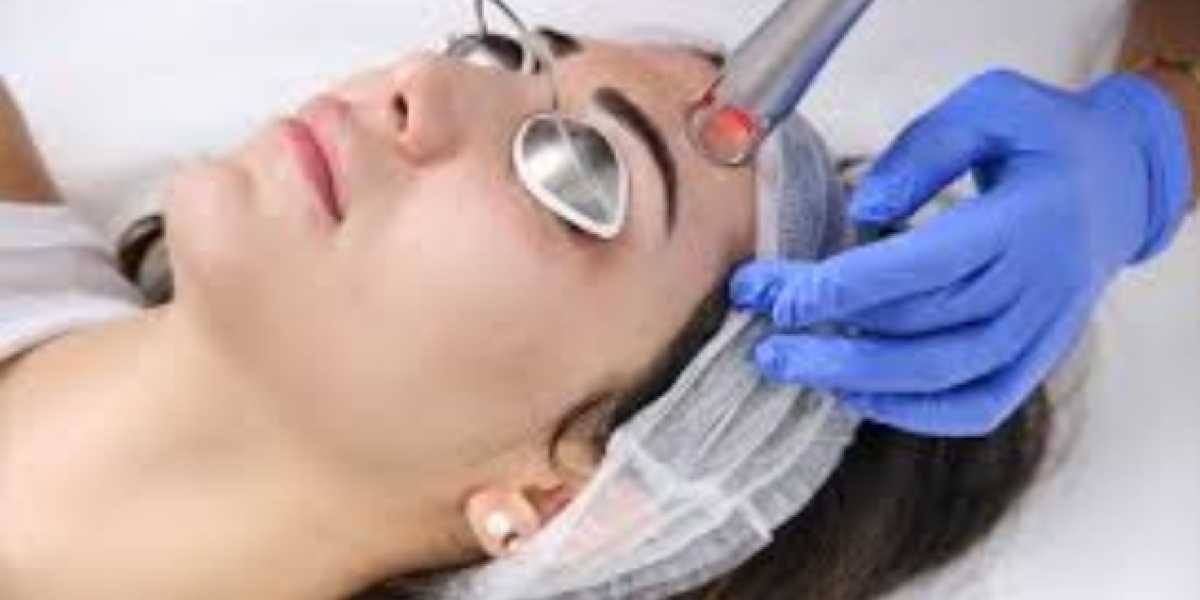

Healthy-looking skin depends on several factors, including hydration, collagen production, elasticity and the condition of the skin barrier. Environmental exposure, ageing, stress and lifestyle habits can gradually affect skin texture and moisture levels. An injection skin booster is a cosmetic procedure designed to improve skin hydration and overall skin quality by delivering specific ingredients into the skin.
Understanding how an injection skin booster works, what ingredients are used and what to expect during the procedure can help individuals make informed decisions about skin treatments.
What Is an Injection Skin Booster?
An injection skin booster is a minimally invasive cosmetic treatment that involves placing hydrating substances, commonly hyaluronic acid, into the superficial layers of the skin. Unlike traditional dermal fillers, which are primarily used to add volume or reshape facial features, an injection skin booster focuses on improving skin hydration, smoothness and texture.
Hyaluronic acid is a naturally occurring substance in the body that attracts and retains water. Its presence helps maintain skin moisture and supports a supple appearance. As natural hyaluronic acid levels decrease with age, the skin may gradually become drier and less elastic.
An injection skin booster introduces additional hydrating ingredients into targeted areas to support moisture retention and improve the appearance of the skin.
How Does an Injection Skin Booster Work?
The procedure generally involves multiple small injections distributed across the selected treatment area. The formulation is deposited within the skin rather than being used to create significant facial volume.
Once administered, hyaluronic acid attracts water molecules and helps maintain hydration within the treated tissue. Depending on the formulation, certain products may also contain ingredients intended to support skin quality.
An injection skin booster may be considered for areas such as:
Cheeks and mid-face
Forehead
Around the mouth
Neck
Décolletage
Hands
The exact injection depth, quantity and placement depend on the individual's skin condition and the formulation being used.
Potential Benefits of Injection Skin Booster Treatments
Skin hydration and texture are important aspects of overall skin appearance. An injection skin booster may offer several benefits depending on the product, technique and individual response.
Improved skin hydration: Hyaluronic acid attracts water and helps maintain moisture within the skin. This may reduce the appearance of dryness and make the skin look more hydrated.
Smoother skin texture: Dehydrated skin can appear rough or uneven. An injection skin booster may improve surface smoothness by supporting moisture levels within the skin.
Improved skin elasticity: Hydrated skin generally appears more supple. Some formulations are designed to support skin quality, although results vary between individuals.
Reduced appearance of fine lines: Fine lines associated with dryness may become less noticeable when skin hydration improves. The procedure does not necessarily correct deeper wrinkles.
Better skin radiance: Skin that retains sufficient moisture may appear fresher and more even in texture.
Who May Consider an Injection Skin Booster?
An injection skin booster may be considered by adults experiencing dryness, uneven texture or early signs of skin ageing. People who notice that their skin appears dull or lacks moisture may discuss this procedure with a qualified aesthetic medical professional.
It may also be considered for individuals who want to improve skin quality without significantly changing their facial structure.
However, not everyone is an appropriate candidate. People with active skin infections, certain inflammatory conditions, allergies to product ingredients or other medical concerns may require additional assessment. Pregnancy and breastfeeding may also affect treatment suitability.
A medical consultation is important before deciding whether an injection skin booster is appropriate.
What Happens During the Procedure?
The process usually begins with an assessment of the skin, medical history and treatment goals. The practitioner identifies suitable areas and explains the formulation, expected outcomes and possible side effects.
The treatment area is cleaned, and a topical numbing cream may be applied if appropriate. The selected formulation is then administered through a series of small injections using suitable needles or injection devices.
The procedure generally takes around 20 to 45 minutes, depending on the treatment area and technique. Small raised bumps, redness or mild swelling may appear immediately after treatment. These effects usually settle over time, although recovery varies.
Possible Side Effects and Safety Considerations
Like other injectable cosmetic procedures, an injection skin booster carries potential risks. Common temporary effects include redness, tenderness, swelling, bruising and small injection-site bumps.
Less common complications may include infection, persistent inflammation, allergic reactions and vascular complications. Although rare, vascular blockage can cause serious tissue damage and requires immediate medical attention.
Treatment should only be performed by a suitably qualified and trained medical professional who understands facial anatomy and emergency management.
Individuals should discuss their medical history, allergies, medications and previous cosmetic procedures before treatment.
Aftercare Following an Injection Skin Booster
Appropriate aftercare helps reduce irritation and supports recovery. Instructions may vary according to the formulation and practitioner.
General aftercare considerations include:
Avoid touching or unnecessarily rubbing the treated areas.
Keep the skin clean and follow the practitioner's cleansing instructions.
Avoid intense exercise for the period recommended by the practitioner.
Limit excessive heat exposure, including saunas, immediately after treatment.
Use suitable sun protection.
Avoid applying irritating skincare ingredients until the skin has settled.
Seek medical advice if swelling becomes severe, pain increases, the skin changes colour or unusual symptoms develop.
How Long Do Injection Skin Booster Results Last?
The duration of results depends on the product formulation, injection technique, treatment area, skin condition and individual metabolism. Some people notice changes in hydration and texture after treatment, while others may require more than one session.
Certain treatment plans involve an initial series of sessions followed by maintenance appointments. However, there is no universal schedule suitable for everyone.
An injection skin booster does not permanently stop the natural ageing process. Maintaining a consistent skincare routine, adequate hydration, sun protection and healthy lifestyle habits remains important for long-term skin health.
Conclusion
An injection skin booster is an injectable cosmetic procedure primarily intended to support skin hydration, smoothness and overall texture. Hyaluronic acid-based formulations work by attracting and retaining moisture within the skin, rather than creating substantial facial volume.
Understanding the procedure, possible benefits, limitations and associated risks is essential before considering treatment. A personalised assessment by a qualified medical professional can help determine suitability and establish realistic expectations.







