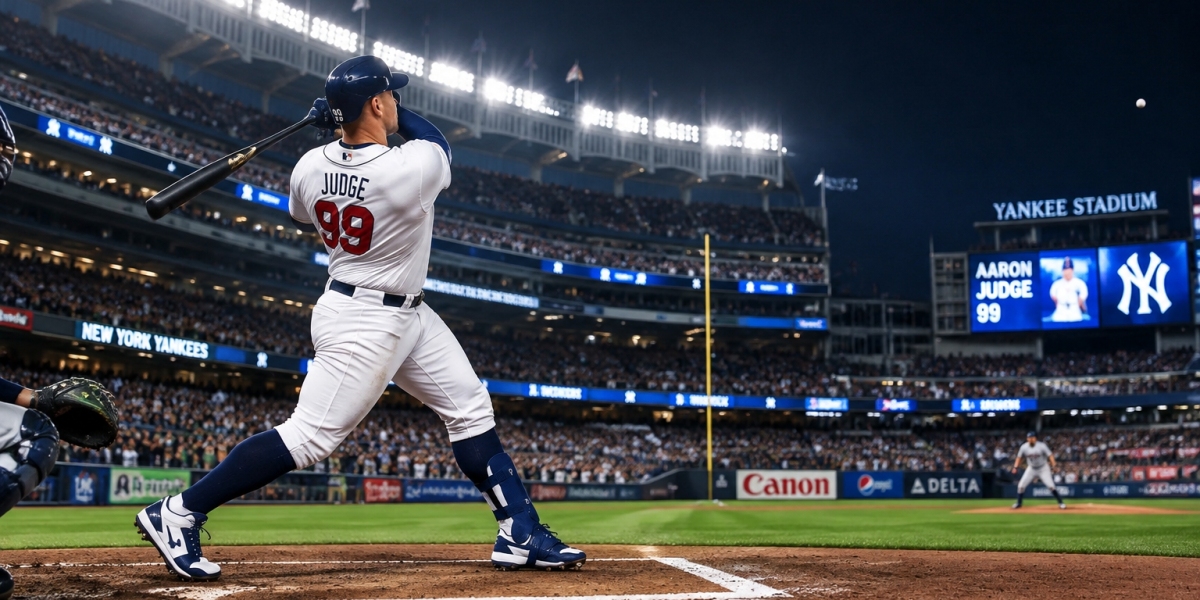

Buying older WBC cards is an unnecessary expense for the 100-point route through the MLB The Show 26 World Baseball Classic Program. If you're budgeting MLB 26 stubs, start with the cards the program awards and put them to work immediately. Four individual PXP missions, three general missions, and three WBC Series missions supply exactly enough points for Teruaki Sato without requiring completion of the 10th Inning XP Path.
Plan around the 100 points you actually need
The general missions award 10 points each for 26 hits, 26 innings pitched, and 26 strikeouts with any players. Another 30 points come from WBC Series objectives requiring 10 hits, 10 strikeouts, and 1,000 PXP. Individual 500 PXP missions for Ondrej Satoria, Raidel Martinez, Johan Camargo, and Vance Worley provide the remaining 40 points.
That calculation gives players starting without older WBC cards a clear spending boundary. The repeatable 2,026 WBC PXP objective isn't required for this route, and neither are individual missions involving Kensuke Kondoh, Eddie Rosario, or Sato. Concentrate on the ten objectives that complete the total before committing extra games to a requirement you don't need.
Use each early reward to reach the next checkpoint
Satoria arrives at 10 points, Martinez at 20, Camargo at 40, and Worley at 50. Completing the 26-hit general mission first is one way to get Satoria into your rotation early. Once available, he can work on his personal PXP requirement while adding progress toward general pitching totals and eligible WBC Series objectives.
Don't wait until all three general missions are finished before changing your roster. Add Martinez when you reach 20 points, then give Camargo plate appearances after the 40-point checkpoint. Worley joins at 50. Their older WBC cards also qualify for the individual missions, so existing owners can use those versions; players without them can follow the reward sequence without buying replacements.
Choose games that advance several requirements together
For offline progress, Play vs CPU and Conquest offer settings where you can organize your lineup around these requirements. Mini Seasons also makes sense when you're pursuing other objectives there. Check each mission's eligible modes and card requirements before starting, especially if you're moving between activities or using an older version of a reward player.
The useful overlap comes from assigning eligible players jobs that serve several counters. Satoria's pitching can contribute to his 500 PXP mission, WBC strikeouts, WBC PXP, and the general pitching requirements. Camargo's hitting can advance his personal PXP alongside the WBC hit target. Keep eligible WBC hitters in the lineup so pitching progress doesn't leave the hitting objective untouched.
Let unfinished missions guide your roster changes
Check progress between games rather than keeping the same assignments throughout the entire program. Once a player's individual 500 PXP mission is complete, shift opportunities toward another reward card with unfinished work. If the WBC strikeout target is already done, your remaining requirements should determine which pitchers and hitters receive playing time.
Kondoh arrives at 70 points, Rosario at 80, and Sato at 100. These are individual rewards, so reaching the final checkpoint earns all seven players. Sato offers a left-handed bat with 120 power against righties, 116 against lefties, and 115 clutch, with third base as his primary position and first base plus both corner outfield spots as secondary options.
Before your next game, identify the earliest unfinished reward-player mission and check which general or WBC objective it can advance at the same time. Keep your MLB stubs available for other roster decisions while the program supplies its own eligible cards. Once Sato arrives, consider a run-producing lineup spot and choose his defensive assignment around the positions your roster needs covered.
MLB The Show 26's World Baseball Classic Program offers seven 99 OVR rewards through a 100-point route combining player PXP and WBC stat missions without purchasing older cards.
阅读更多


注释







