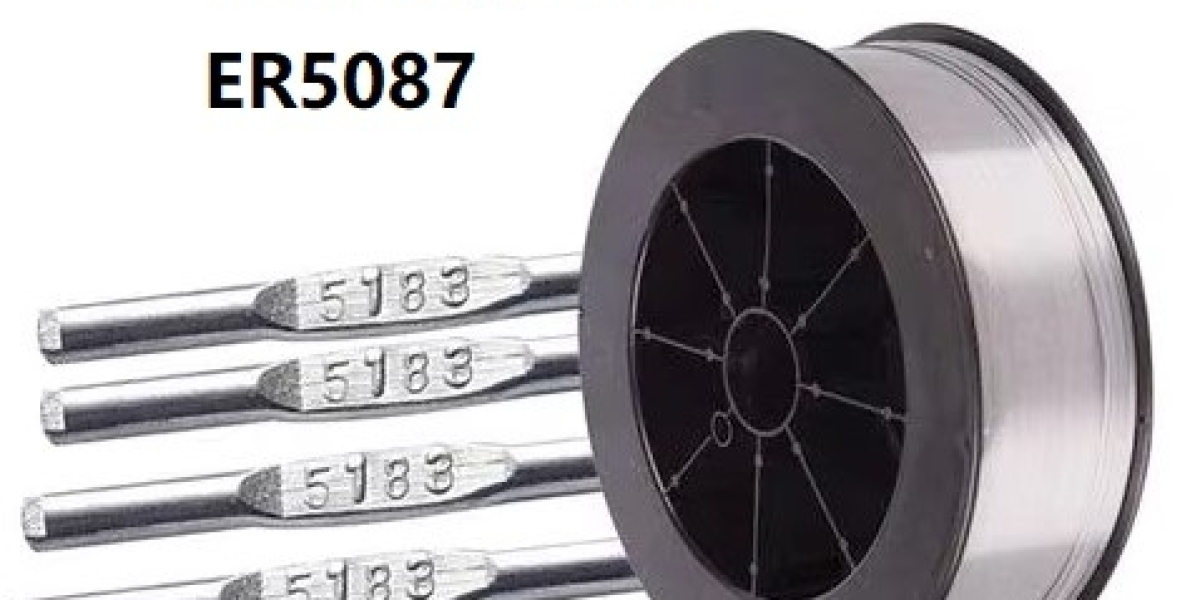

Selecting suitable welding consumables is essential for achieving reliable aluminum joints in industrial fabrication. Different aluminum alloys require appropriate filler materials to support joint integrity, welding performance, and application requirements. Aluminum Welding Wire ER5087 is an important option for welding applications involving magnesium-containing aluminum alloys, particularly where mechanical performance and corrosion resistance are important considerations. For manufacturers working with marine structures, transportation components, and industrial equipment, Aluminum Welding Wire ER5087 offers a filler metal solution worth evaluating when matching welding materials with base metal characteristics and fabrication conditions.
Understanding the Composition and Characteristics of ER5087
ER5087 is an aluminum-magnesium welding filler alloy designed for applications involving suitable aluminum-magnesium base materials. Its magnesium content contributes to the mechanical properties of the deposited weld metal, making it relevant to fabrication projects that require dependable joint performance.
Material compatibility is an important factor when selecting welding wire. The filler alloy should be evaluated according to the composition of the base metal, the required mechanical properties, and the intended service environment.
ER5087 is commonly considered for welding certain 5xxx series aluminum alloys. However, the final selection should depend on the specific alloy combination, applicable welding standards, and engineering requirements.
Understanding these characteristics helps manufacturers avoid selecting consumables based only on general product descriptions. Reviewing technical documentation and consulting welding specialists can provide a more accurate basis for material selection.
Why Aluminum-Magnesium Compatibility Matters
Aluminum-magnesium alloys are widely used in applications where a combination of relatively low weight and useful mechanical properties is required. Welding these materials requires attention to filler metal compatibility because the deposited weld composition can influence the performance of the finished joint.
The relationship between filler metal and base material should be considered before production begins. Differences in alloy composition may affect weld metal properties, crack sensitivity, and corrosion behavior.
Welding procedure development should also account for joint preparation, shielding gas selection, heat input, and welding position. These factors work together to influence weld formation and consistency.
For fabrication businesses, evaluating material compatibility at the planning stage can help reduce unnecessary adjustments during production. It also supports more consistent welding procedures across different projects.
Kunliwelding: Supporting Aluminum Welding Material Selection
When exploring aluminum welding consumables, Kunliwelding provides product information and material options for businesses involved in aluminum fabrication.
Choosing a suitable Aluminum Welding Wire ER5087 requires more than identifying the alloy designation. Buyers should also examine wire diameter, available packaging, applicable welding processes, technical specifications, and compatibility with their equipment.
For industrial purchasing teams, clear product documentation is particularly valuable. Technical information helps welding engineers compare consumables and determine whether a particular filler material is suitable for their production requirements.
Manufacturers may also need to consider supply consistency and communication with their welding material suppliers. Discussing application details before purchasing can help identify suitable product specifications and avoid mismatches between consumables and fabrication needs.
Applications in Marine and Industrial Fabrication
Aluminum-magnesium welding materials are relevant to several industries where lightweight structures and material performance are important.
In marine fabrication, aluminum alloys are used in various structural components, vessel sections, and equipment assemblies. Welding consumables must be selected with consideration for the alloy combination and the surrounding service environment.
Industrial fabrication also involves aluminum components used in machinery housings, structural assemblies, and transportation-related equipment. In these applications, welding quality can influence structural reliability and subsequent manufacturing operations.
ER5087 may be considered for suitable aluminum-magnesium alloy combinations where its deposited weld metal characteristics meet the engineering requirements. Nevertheless, application suitability should always be confirmed through qualified welding procedures and relevant technical assessments.
Fabricators should also consider surface preparation, joint design, and post-welding inspection. Proper preparation and process control help support consistent weld quality across different production environments.
Improving Welding Consistency Through Proper Wire Management
Even an appropriate welding filler alloy requires proper handling and storage. Welding wire should be protected from moisture, contamination, oil, and other substances that may affect welding performance.
Before production, operators should check the wire condition and ensure that the feeding equipment is compatible with the selected diameter. Smooth wire feeding helps maintain a stable welding process and reduces unnecessary interruptions.
Equipment maintenance is equally important. Contact tips, liners, drive rolls, and shielding gas systems should be inspected regularly according to equipment recommendations.
Welding procedures should be established based on the base material, joint configuration, and production requirements. Operators should follow qualified procedures and use suitable inspection methods to evaluate completed joints.For manufacturers, distributors, and welding professionals seeking aluminum-magnesium filler materials, understanding alloy compatibility and application requirements is essential. Visit https://www.kunliwelding.com/ to explore aluminum welding consumables and discover product information for different industrial fabrication needs.