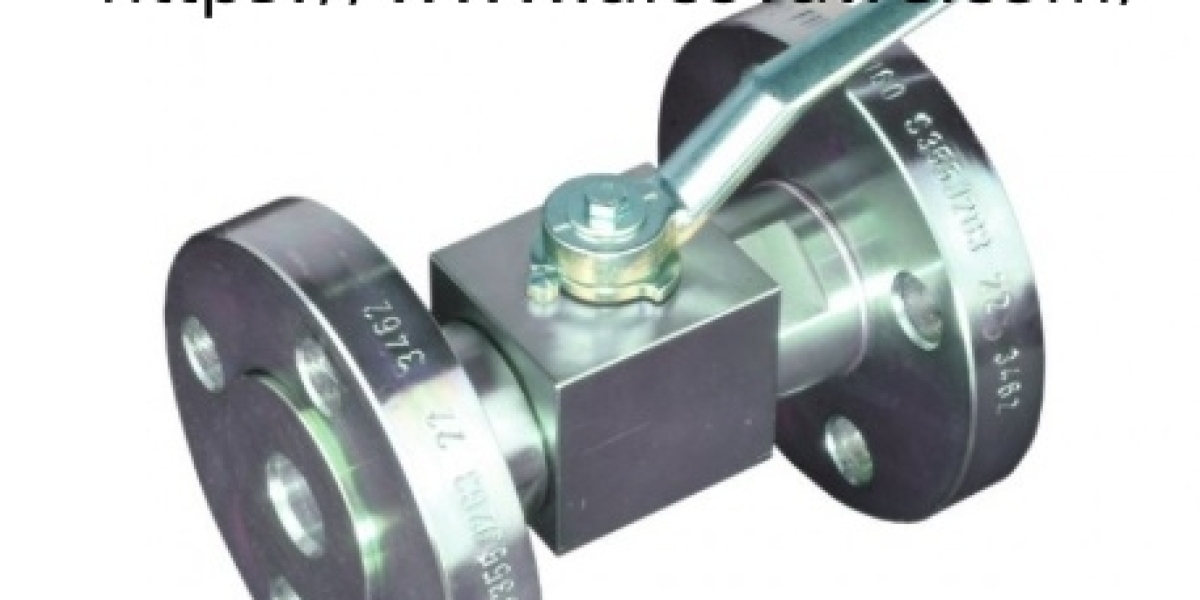

High Pressure Flanged Ball Valves are designed for industrial pipeline applications where secure connections, effective fluid control, and dependable shutoff are important considerations. For international buyers, choosing suitable equipment involves examining several technical details rather than comparing dimensions and quotations alone. Body materials, internal components, sealing arrangements, connection standards, and operating methods all influence product suitability. Preparing these details before contacting a manufacturer helps purchasing teams communicate their expectations and evaluate different configurations more efficiently.
Identify the Fluid and Working Environment
The transported medium is an important starting point when selecting industrial pipeline equipment. Water, oil, natural gas, and chemical fluids have different characteristics that may affect material compatibility and internal component selection.
Buyers should provide information about fluid composition, working temperature, flow conditions, and possible corrosive elements. If the medium contains solid particles, the manufacturer may also need to consider their potential effects on internal surfaces and sealing components.
The surrounding environment deserves attention as well. Outdoor installations, humid locations, and industrial facilities with changing temperatures may require different material or surface treatment considerations.
A detailed description of the application helps manufacturers evaluate suitable product configurations and reduces misunderstandings during the quotation process.
Review Body Materials and Component Construction
The body material should match the intended operating environment. Carbon steel is commonly considered for various industrial applications, while stainless steel may be appropriate where corrosion resistance is required.
However, buyers should not evaluate the body material alone. The stem, seats, packing components, and internal surfaces also contribute to the overall construction and should be checked individually.
For example, the seat material needs to match the transported medium and working temperature. The stem and packing arrangement should also be suitable for the expected operating conditions.
Requesting a detailed material specification helps purchasing teams understand the product structure. It also provides a useful reference when comparing quotations from different manufacturers.
Examine Sealing Performance and Service Requirements
The sealing system is an important consideration for applications involving fluid isolation. Buyers should understand the differences between available seat configurations before confirming their selection.
Soft-seated structures may be suitable for applications requiring particular leakage control characteristics. Metal-seated designs can be considered for certain environments involving abrasive media or elevated temperatures.
Purchasing teams should ask about seat materials, stem packing, sealing arrangements, and applicable inspection procedures.
Maintenance requirements should also be discussed. Buyers may want to know which components can be replaced, how inspection is performed, and whether spare parts can be supplied for future servicing.
These details help project managers consider both installation requirements and ongoing maintenance arrangements.
Verify Connection Dimensions and Installation Space
A suitable connection design helps ensure compatibility with the existing pipeline. Buyers should confirm the nominal diameter, flange dimensions, facing type, bolt arrangement, and applicable connection standards.
Different markets and engineering projects may follow different dimensional specifications. Therefore, the required standard should be clearly identified when submitting a purchasing inquiry.
Installation space is another practical consideration. The overall product length, handle position, actuator arrangement, and surrounding equipment may influence the final installation layout.
For replacement projects, providing drawings or measurements of the existing pipeline can help manufacturers check dimensional compatibility before production starts.
Consider Manual and Automated Operation
The operating arrangement should reflect how the pipeline system is managed. Manual handles may be suitable for certain applications, while gear operators can provide additional mechanical assistance.
For automated installations, pneumatic and electric actuators are possible options. Buyers should consider the available power source, operating torque, control signals, installation space, and connection with existing automation equipment.
It is also useful to explain whether local operation or remote control is required. Expected operating frequency and control preferences should be included in the technical inquiry.
Discussing these requirements early helps manufacturers evaluate the complete assembly and avoid unnecessary configuration changes.
Ask About Production and Inspection Procedures
Manufacturing procedures provide useful information about how a product is prepared and checked before delivery. Buyers should ask which inspection activities are included and what documentation can be provided.
Depending on the project specification, relevant checks may include:
Raw material verification.
Component dimensional inspection.
Assembly procedure checks.
Shell testing.
Seat leakage testing.
Surface treatment inspection.
Final appearance and identification checks.
For engineering projects, buyers may also request material certificates, inspection reports, and other supporting documents.
These requirements should be agreed upon before production begins. Clear inspection arrangements help establish acceptance criteria and make communication between the manufacturer and purchasing team more efficient.
Prepare a Complete Inquiry Before Confirming an Order
A detailed inquiry helps manufacturers understand the application and prepare a suitable quotation. Buyers should include nominal diameter, body material, working temperature, fluid type, seat material, flange standard, and operating method.
Other useful information includes order quantity, destination, packaging preferences, delivery expectations, and documentation requirements.
If the project involves customized dimensions or special installation conditions, technical drawings and photographs can provide additional clarification.At dicovalve, customer communication focuses on understanding application requirements and discussing suitable configurations from a manufacturing perspective. Providing complete technical information helps buyers compare product options, confirm specifications, and coordinate production arrangements. Buyers planning an industrial pipeline project can visit https://www.dicovalve.com/ to review available products and contact the manufacturer about their purchasing requirements.