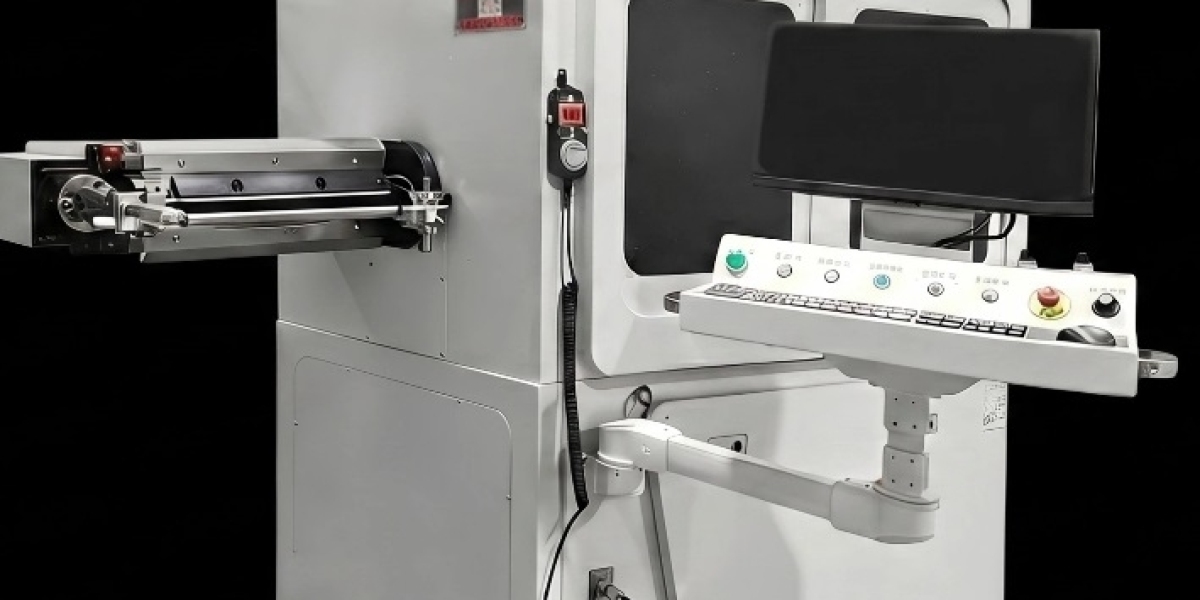

A CNC busbar bending machine is an important piece of equipment in modern electrical manufacturing. It is designed to bend copper and aluminum busbars into specific shapes with high accuracy and consistent results. As electrical systems become more complex, manufacturers need reliable equipment to produce components efficiently while maintaining quality.Get more news about cnc busbar bending machine,you can vist our website!
Unlike traditional manual bending tools, CNC technology allows operators to control bending angles, positions, and processing steps through a computerized system. This reduces manual work and helps factories achieve more stable production.
1. How Does a CNC Busbar Bending Machine Work?
A CNC busbar bending machine uses a computer numerical control system to manage the bending process. Operators enter the required dimensions and bending angles into the control interface. The machine then follows programmed instructions to complete the operation.
Depending on the machine configuration, it may support multiple bending directions and different processing functions. Some advanced models can also integrate punching, cutting, and bending operations.
This automated process offers several advantages:
High accuracy: Digital control helps maintain consistent bending angles.
Better efficiency: Automated operations reduce manual adjustments.
Repeatable results: Stored programs make repeated production easier.
Lower labor requirements: Operators can manage more tasks with less physical effort.
These features make CNC equipment suitable for factories that manufacture electrical cabinets, switchgear, power distribution systems, and other electrical components.
2. Copper and Aluminum Busbar Processing
Copper and aluminum are the two most common materials used in busbar manufacturing. Both materials conduct electricity effectively, but they have different mechanical properties.
Copper busbars offer excellent electrical conductivity and good mechanical strength. However, copper is relatively heavy and may require greater bending force.
Aluminum busbars are lighter and often more economical. Their bending characteristics are different, so manufacturers must select suitable tools and processing parameters.
When choosing a CNC busbar bending machine, it is important to consider material thickness, width, bending radius, and required accuracy. Selecting the correct machine capacity helps prevent deformation, surface damage, and inconsistent results.
3. CNC Busbar Bending Machine Applications
CNC busbar bending machines are widely used across several industries.
Electrical switchgear manufacturing
Switchgear manufacturers use busbars to connect electrical components and distribute power. Accurate bending ensures that busbars fit properly inside electrical cabinets.
Power distribution equipment
Distribution panels and control cabinets often require busbars with different shapes and dimensions. CNC processing makes customized production easier.
New energy and EV charging systems
Solar power equipment, energy storage systems, and electric vehicle charging stations require reliable electrical connections. Precision-processed busbars help manufacturers produce compact and organized electrical structures.
4. How to Choose the Right CNC Busbar Bending Machine
Choosing suitable equipment requires more than comparing prices. Manufacturers should evaluate several important factors.
First, check the maximum processing dimensions, including material width and thickness. The machine must handle the busbars used in daily production.
Second, consider the control system. A user-friendly interface, program storage, and accurate positioning can improve operating efficiency.
Third, examine tooling flexibility. Different bending shapes may require different molds and tools. A machine with flexible tooling options can support a wider range of products.
Finally, consider technical support, spare parts availability, maintenance requirements, and manufacturer experience.
5. Maintenance and Long-Term Performance
Regular maintenance helps keep a CNC busbar bending machine operating reliably. Operators should inspect hydraulic components, electrical connections, bending tools, and positioning systems.
Keeping the working area clean also helps prevent dust and metal debris from affecting machine performance. In addition, checking bending accuracy periodically can identify potential problems before they influence product quality.
Following the manufacturer's maintenance recommendations can reduce unexpected downtime and extend equipment service life.