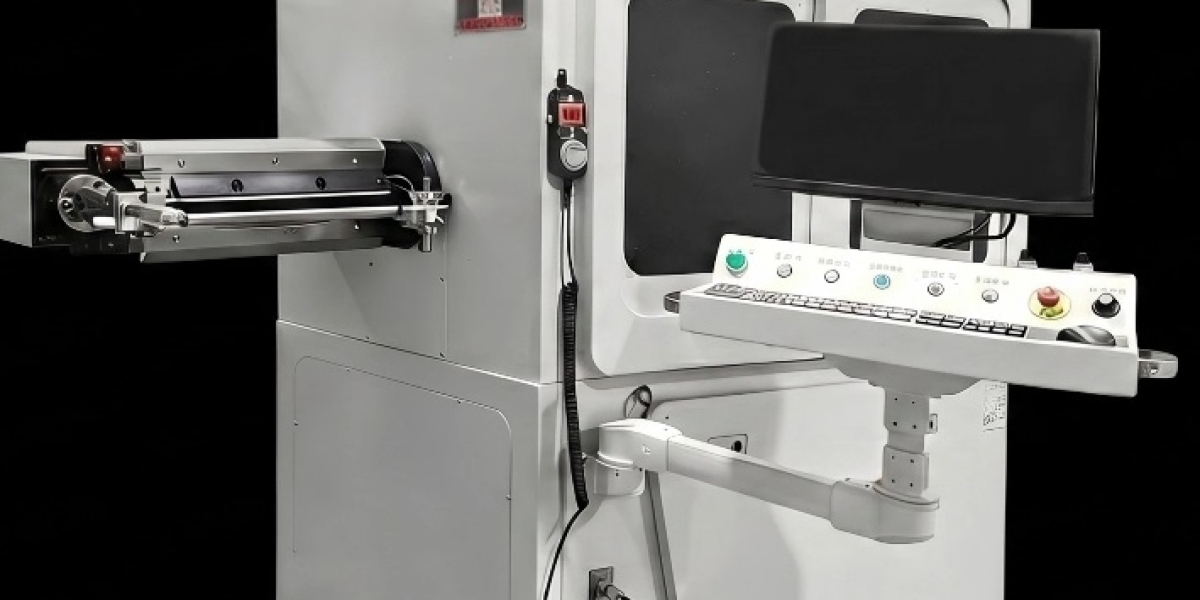

The rapid growth of electric vehicles has increased demand for reliable and efficient charging equipment. Inside an EV charger, busbars play an important role in transferring electrical power between different components. These metal conductors must be processed with high accuracy to ensure proper installation and stable electrical connections. A busbar bending machine for EV charger production helps manufacturers achieve consistent bending results while improving productivity and reducing manual work.Get more news about busbar bending machine for ev charger,you can vist our website!
1. Why Is Busbar Bending Important for EV Chargers?
Busbars are commonly made from copper or aluminum because these materials offer good electrical conductivity. In EV charging stations, they connect important electrical components, including circuit breakers, power distribution units, and charging modules.
Each busbar needs to match the required dimensions and installation position. Incorrect bending angles or dimensions can cause assembly problems, increase contact resistance, or create unnecessary mechanical stress.
A busbar bending machine uses controlled bending processes to produce accurate shapes. Compared with manual processing, automated equipment can improve repeatability and reduce errors during large-scale production.
2. Key Features of a Busbar Bending Machine for EV Charger
When choosing equipment, manufacturers should consider several important features.
High Bending Accuracy
Accurate bending ensures that busbars fit their designed positions. CNC control systems allow operators to set bending angles and processing parameters, helping maintain consistent results across multiple workpieces.
Flexible Processing Capabilities
Different EV charger designs require different busbar shapes and sizes. A suitable machine should support various bending angles, material thicknesses, and processing requirements. Some advanced machines can also integrate punching and cutting functions.
Easy Operation
A user-friendly control system makes production easier to manage. Operators can save processing programs, adjust parameters, and repeat previous production tasks without setting up every operation manually.
3. How Automation Improves Production Efficiency
Automation is another important consideration in EV charger manufacturing. Traditional manual bending requires skilled workers to measure, position, and process each busbar. This approach can take considerable time, especially when production volumes increase.
An automated busbar bending machine can complete programmed operations with less manual intervention. It helps reduce repetitive work, improve production consistency, and shorten processing time.
For manufacturers producing multiple EV charger models, programmable processing is particularly useful. Different bending programs can be stored and selected according to product requirements.
4. Copper vs. Aluminum Busbars: What Should Manufacturers Consider?
Copper and aluminum are both widely used in electrical power systems, but they have different processing characteristics.
Copper offers excellent electrical conductivity and good mechanical strength. However, it is relatively heavy and may require greater bending force.
Aluminum is lighter and can help reduce the overall weight of electrical equipment. However, its mechanical properties and bending behavior require careful consideration to avoid cracking or deformation.
Manufacturers should select machine capacity according to the material, thickness, width, and required bending radius.
5. How to Choose the Right Machine for EV Charger Production
Before purchasing equipment, manufacturers should evaluate their actual production needs.
First, check the maximum processing dimensions and bending capacity. The machine must handle the busbar specifications used in current and future EV charger designs.
Second, consider CNC control, positioning accuracy, and program storage. These features can improve production flexibility.
Third, examine machine reliability, maintenance requirements, and technical support. Stable equipment operation is important for maintaining production schedules.
It is also useful to test the machine with actual busbar materials before making a final decision.
Conclusion
A busbar bending machine for EV charger manufacturing is an important investment for companies producing modern charging equipment. By improving bending accuracy, supporting automated processing, and handling different materials, it helps manufacturers build reliable electrical connections and maintain consistent product quality.
As the EV market continues to expand, flexible and efficient busbar processing solutions will become increasingly valuable for electrical equipment manufacturers.