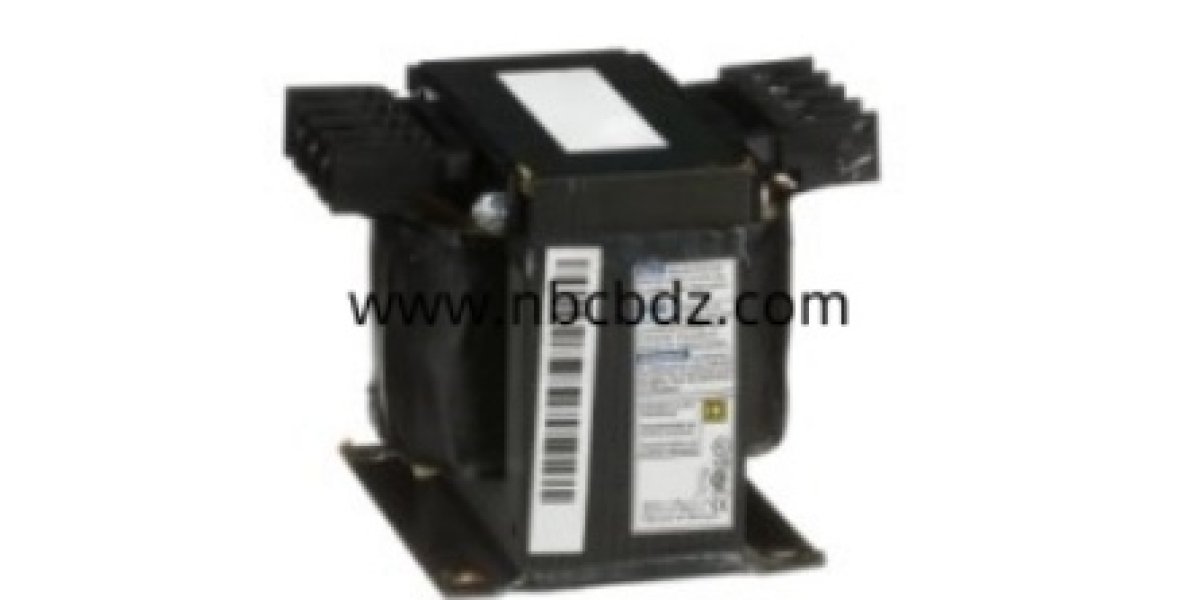

When an electrical product is developed for regular use, the reliability of its internal components becomes an important part of the overall design. Transformers must work alongside circuit boards, protective devices, wiring systems, and mechanical structures, so their manufacturing quality affects more than power conversion alone. Choosing an EI Transformer Factory means evaluating how the manufacturer controls core assembly, winding workmanship, insulation protection, and product consistency throughout the production process.
The familiar EI structure is built around laminated electrical steel sheets arranged to form a magnetic core. The quality of these laminations influences how effectively the core guides magnetic flux. Their surfaces should be handled carefully, and the sheets need to fit together properly during assembly. Inconsistent stacking or careless handling may affect the magnetic path and create conditions that contribute to vibration or unwanted noise. The core is therefore not simply a collection of metal sheets; it is an assembled structure whose accuracy matters during operation.
The winding system requires an equally thoughtful approach. Copper wire is commonly selected for its electrical conductivity and suitability for controlled winding processes. However, winding quality depends on how conductors are arranged, secured, and separated. Insulating materials protect the relationship between different winding sections and help prevent unwanted electrical contact. Bobbins, insulating barriers, protective sleeves, and lead coverings must be compatible with one another. A carefully coordinated internal structure can make the finished transformer more suitable for the electrical and environmental demands of its intended application.
Buyers should also consider how the transformer will be used over the equipment's lifecycle. A component installed in a continuously operated machine may face different conditions from one used in equipment that operates intermittently. Temperature, vibration, surrounding dust, ventilation, and maintenance access can all influence product selection. Instead of requesting a quotation based only on a product name, purchasers should provide the manufacturer with the application background, electrical requirements, operating environment, and available installation space. This information allows the supplier to evaluate whether an existing design is appropriate or whether a customized solution deserves consideration.
Compatibility is another important part of the selection process. An EI transformer may be electrically suitable but still create difficulties if its mounting arrangement, lead direction, or external dimensions do not match the equipment. Engineers should examine the relationship between the transformer and surrounding components before approving a design. Particular attention should be given to wiring routes, insulation clearance, ventilation, and the accessibility of connection points. Reviewing a physical sample can reveal assembly problems that may not be obvious from drawings or catalogue images.
From a technical perspective, an EI transformer transfers electrical energy through electromagnetic induction. The primary winding establishes a changing magnetic field in the core, which induces a corresponding voltage in the secondary winding. Depending on its construction and application, the transformer can also provide electrical isolation between circuits. Its actual behavior depends on the interaction of the magnetic core, winding arrangement, connected load, and surrounding electrical system. Engineers should therefore evaluate the component under conditions representative of the finished equipment rather than treating general product descriptions as a substitute for application testing.
Manufacturing consistency becomes particularly important when an equipment producer needs to purchase the same component repeatedly. Variations in winding placement, core assembly, insulation application, or terminal connections can complicate production and create differences between equipment batches. A controlled manufacturing process helps reduce these risks. Factories can use dedicated winding equipment, assembly fixtures, and inspection procedures to support repeatability. Material checks, in-process reviews, and final testing each serve a different purpose in identifying problems before products are delivered.
Purchasing teams can learn a great deal by asking how a supplier handles design changes and replacement orders. If a customer modifies an enclosure or updates a circuit, the transformer may need corresponding adjustments. Clear drawings, approved samples, product identification, and retained production records help prevent confusion between different versions. These practices also support maintenance planning. When a transformer needs replacement, matching the original construction and connection arrangement can reduce unnecessary modifications to the equipment.
The user experience is influenced by operational details that may not be visible in a product photograph. Excessive humming, noticeable vibration, difficult wiring, or inconvenient replacement procedures can affect the finished equipment. Appropriate core assembly and winding fixation can help manage mechanical behavior, while suitable insulation and protective treatments support the component's intended operating environment. A practical design should also allow technicians to identify connections and complete installation without unnecessary handling difficulties. For equipment manufacturers, these details can influence assembly efficiency as well as later servicing.
The external appearance of an EI transformer should communicate careful construction. A neat core assembly, orderly coil wrapping, secure lead exits, and consistent protective finishing make products easier to inspect and handle. Mounting features should suit the intended enclosure, while terminal placement should support the equipment's wiring arrangement. Customization may include adjustments to the winding configuration, connection style, mounting structure, or protective covering. Discussing these details during development helps the transformer fit the product rather than forcing the product design to accommodate an unsuitable component.
Ningbo Chuangbiao Electronic Technology Co., Ltd. identifies EI transformers as a featured part of its product range and also manufactures toroidal, C-core, medical, audio, industrial control, and other electronic transformers. The company describes a process covering design, procurement, manufacturing, quality assurance, logistics, and customer service. It states that materials are sourced from approved suppliers and that production uses CNC equipment and automated testing systems, with comprehensive inspection before delivery. Customized development based on customer drawings or samples is also available. Buyers can explore the company's transformer products and discuss their application requirements at https://www.nbcbdz.com/product/.