
A reliable Wire Bending Machine Manufacturer plays an important role in modern metal processing. As industries demand more accurate components and faster production, automated wire bending equipment has become increasingly important. From automotive parts to household products, wire bending machines help manufacturers produce complex shapes with consistent quality.Get more news about Wire Bending Machine Manufacturer,you can vist our website!
However, choosing the right manufacturer involves more than comparing machine prices. Buyers should consider equipment performance, customization options, production experience, and after-sales support.
1. What Does a Wire Bending Machine Manufacturer Provide?
A professional wire bending machine manufacturer designs and produces equipment that transforms straight or coiled metal wire into different shapes. Depending on the machine configuration, the production process may include wire feeding, straightening, bending, cutting, and forming.
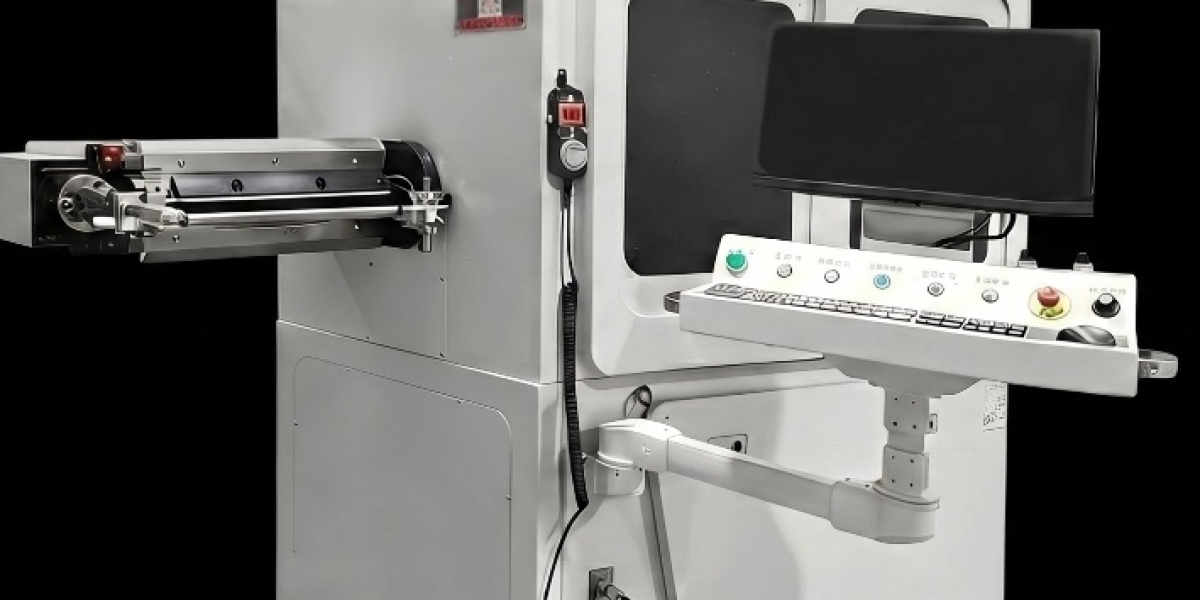
Modern CNC wire bending machines use programmable control systems and servo motors to achieve accurate movements. Operators can enter bending dimensions and angles into the system, allowing the machine to repeat production tasks with less manual adjustment.
Common machine types include:
- 2D wire bending machines: Suitable for flat wire products, brackets, hooks, and clips.
- 3D wire bending machines: Designed for complicated shapes requiring multiple bending directions.
- CNC wire bending machines: Use computer-controlled operations for repeatable and efficient production.
- Automatic wire forming machines: Combine bending with additional processes such as cutting, flattening, or punching.
Different manufacturers offer different machine configurations, so selecting equipment based on actual product requirements is essential.
2. Customization and Material Processing Capabilities
One important factor when choosing a wire bending machine manufacturer is its ability to provide customized solutions.
Different industries use different wire materials, including carbon steel, stainless steel, copper, and aluminum. These materials have different strengths, flexibility levels, and bending characteristics.
For example, stainless steel may require greater forming force than softer materials. Copper wire requires careful handling to prevent surface damage and unwanted deformation.
Before purchasing equipment, buyers should provide the manufacturer with information about:
- Wire diameter and material specifications.
- Product drawings and bending angles.
- Required production speed.
- Dimensional accuracy and tolerances.
- Expected daily or annual production volume.
An experienced manufacturer can evaluate these requirements and recommend suitable machine models, tooling, and automation configurations.
3. How Does CNC Technology Improve Production Efficiency?
CNC technology has changed the way manufacturers process metal wire. Traditional manual bending depends heavily on operator experience, making it difficult to maintain consistent dimensions during large production runs.
By comparison, CNC wire bending machines follow programmed instructions to control feeding distance, bending angles, and forming sequences.
This offers several advantages:
Higher consistency: Automated control helps reduce differences between individual products.
Lower labor requirements: Operators can manage production without manually completing every bending operation.
Faster product changes: Stored programs make it easier to switch between different product designs.
Reduced material waste: Accurate positioning and repeatable bending can help minimize production errors.
For companies producing automotive components, electrical parts, furniture accessories, and industrial wire products, these improvements can support more stable manufacturing operations.
4. Quality Control and Manufacturing Standards
Machine quality directly affects long-term production performance. A professional manufacturer should have clear quality inspection procedures covering mechanical components, electrical systems, control software, and finished equipment.
Important areas include servo motor performance, bending head accuracy, feeding stability, machine frame strength, and safety protection.
Buyers should also request sample production before confirming an order. Testing the machine with their actual wire materials can help identify possible problems with bending angles, springback, surface quality, and dimensional accuracy.
Checking manufacturing experience, quality certifications, and previous project references can provide additional confidence.