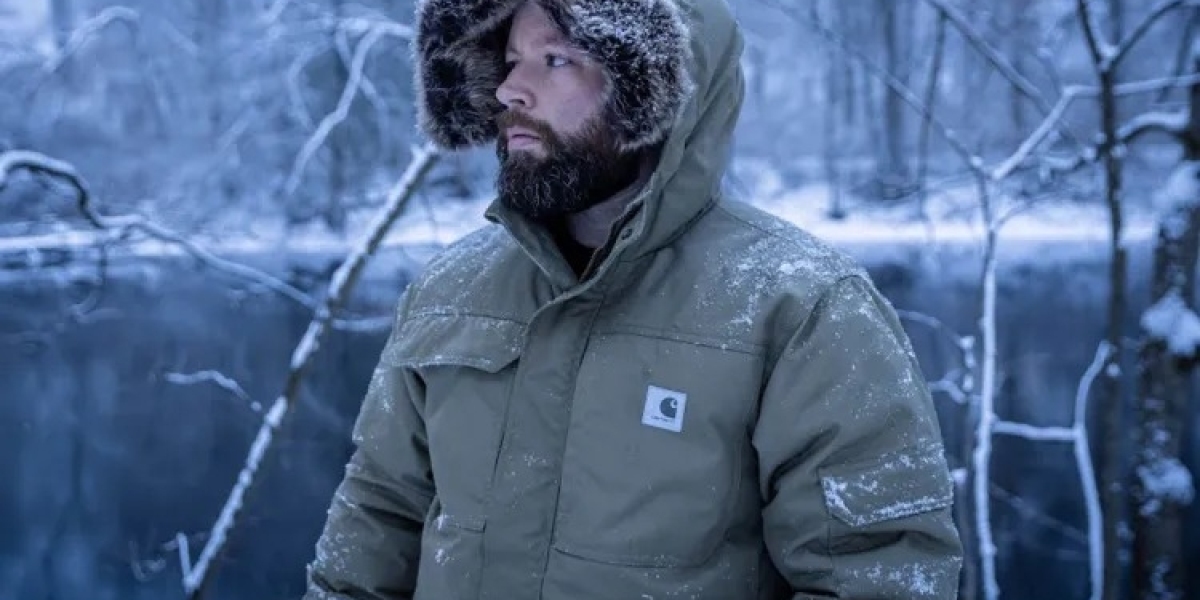

Working outdoors means dealing with more than just cold temperatures. Rain, strong winds, muddy conditions, and sudden weather changes can make an ordinary jacket uncomfortable and difficult to wear. A reliable work jacket should provide suitable protection while allowing enough movement to get through the day. Carhartt jackets are popular in workwear because of their practical designs and durable materials, but not every style is made for the same conditions. Understanding the fabric, lining, insulation, and weather protection can help you decide whether a Carhartt jacket is suitable for the conditions you face.
How Well Does a Carhartt Jacket Handle Cold Weather?
Cold weather is one of the main reasons people look for a dependable work jacket. However, warmth depends on the jacket's construction rather than its appearance alone.
Insulated jackets are generally a better choice for spending long periods outside during winter. Some styles feature quilted linings, while others use fleece or sherpa-style materials to provide additional warmth. These layers help retain body heat and make outdoor activities more comfortable.
An unlined canvas jacket offers less insulation, but it can still be useful during mild weather or when worn over a thermal shirt and sweatshirt. Before choosing a style, consider how cold your working environment gets and how much time you spend outdoors.
Can It Protect You from Rain and Wet Conditions?
Rain protection depends on the specific fabric and jacket construction. Traditional cotton duck canvas is known for its sturdy weave, but ordinary canvas should not automatically be treated as waterproof.
Some work jackets have water-repellent finishes that help https://carhartt-jacket.com/ water resist soaking into the fabric during light exposure. However, these finishes are not the same as a fully waterproof membrane.
If you regularly work in heavy rain, look for an outer layer specifically designed for wet conditions. A waterproof shell worn over your work jacket can provide additional protection while allowing you to keep your usual clothing underneath.
It is also important to dry your jacket properly after exposure to rain. Leaving damp clothing stored in a closed space can lead to unpleasant smells and material problems.
Does a Carhartt Jacket Provide Protection Against Strong Wind?
Wind can make cold temperatures feel much worse, especially when working in open areas. A tightly woven outer fabric can help reduce airflow through the material, but the level of wind protection varies between jacket styles.
A jacket with a full front closure, fitted cuffs, and a suitable collar can help limit cold air entering around the body. Some designs also include adjustable features that make it easier to achieve a comfortable fit.
For particularly windy environments, consider wearing a wind-resistant outer shell. This can be especially useful when working near open fields, construction sites, or exposed outdoor locations.
Choose the Right Fabric for Tough Conditions
The outer material has a major influence on how a jacket handles regular outdoor use. Cotton duck canvas is widely used in traditional workwear because its tightly woven construction gives it a firm and durable feel.
Cotton Duck Canvas
This material is suitable for everyday workwear and can handle regular contact with rough surfaces. It is a practical option for people who need a sturdy jacket for general outdoor activities.
Insulated Construction
Insulation adds warmth for colder conditions. Quilted materials, fleece, and sherpa-style linings are useful options, depending on the temperature and amount of outdoor activity.
Water-Resistant Materials
Water-resistant fabrics and finishes can help with light rain and occasional moisture. For prolonged exposure to heavy rainfall, a properly waterproof garment is a more suitable choice.
Understanding these differences makes it easier to select a jacket based on actual working conditions rather than choosing one simply because it looks heavy.
Layering Makes a Difference in Extreme Temperatures
Even a warm jacket may not be enough during particularly cold weather. Wearing suitable layers underneath can improve comfort without requiring an unnecessarily bulky outer garment.
Start with a thermal base layer that helps manage moisture. Add a fleece or sweatshirt for extra insulation, then wear your work jacket as the outer layer.
This combination gives you more flexibility throughout the day. For example, you can remove the sweatshirt when working indoors and put it back on when returning outside.
Make sure your layers do not restrict movement around the shoulders, elbows, or waist. Comfortable movement is especially important when lifting materials, handling tools, or performing physical work.
Consider the Weather Conditions at Your Workplace
The best jacket depends on the environment where you plan to wear it. Someone working in a cold warehouse may need a different design from someone exposed to rain and wind throughout the day.
For cold and dry conditions, an insulated jacket with a comfortable lining may be suitable. For mild weather, a lighter canvas design can provide useful coverage without excessive warmth.
If your job involves snow, heavy rain, or freezing wind, consider combining your work jacket with weather-specific protective clothing. Also check whether your workplace requires high-visibility, waterproof, or other certified protective garments.
A good choice should match both the weather and the practical demands of your job.
Proper Care Helps Maintain Weather Performance
Regular care can help preserve the condition of your jacket. Dirt, moisture, and repeated wear can affect the outer fabric, seams, and closures over time.
Follow the washing instructions provided with the garment, especially if it has insulation or a water-repellent finish. Harsh detergents and unsuitable washing methods may affect certain materials or treatments.
After wearing the jacket in wet conditions, allow it to dry completely in a well-ventilated area. Check the cuffs, seams, pockets, and zippers occasionally for signs of damage.
If your jacket has a water-repellent treatment, check the manufacturer's guidance about restoring or maintaining that finish. Proper maintenance can help keep the jacket comfortable and useful through regular outdoor wear.
Frequently Asked Questions
- Can a Carhartt jacket handle extreme cold?
- Insulated styles can provide warmth in cold conditions, but suitable layers may still be necessary in freezing temperatures.
2. Are Carhartt jackets waterproof?
Not all styles are waterproof; protection depends on the fabric, finish, and specific jacket design.
3. Can you wear a Carhartt jacket in heavy rain?
A standard canvas jacket may not be suitable for prolonged heavy rain, so a waterproof outer layer is recommended.
4. Are Carhartt jackets good for windy conditions?
Many tightly woven styles offer some resistance to wind, although protection varies between designs.
5. How do you keep a Carhartt jacket in good condition?
Follow its care label, dry it properly after getting wet, and inspect seams and closures regularly.