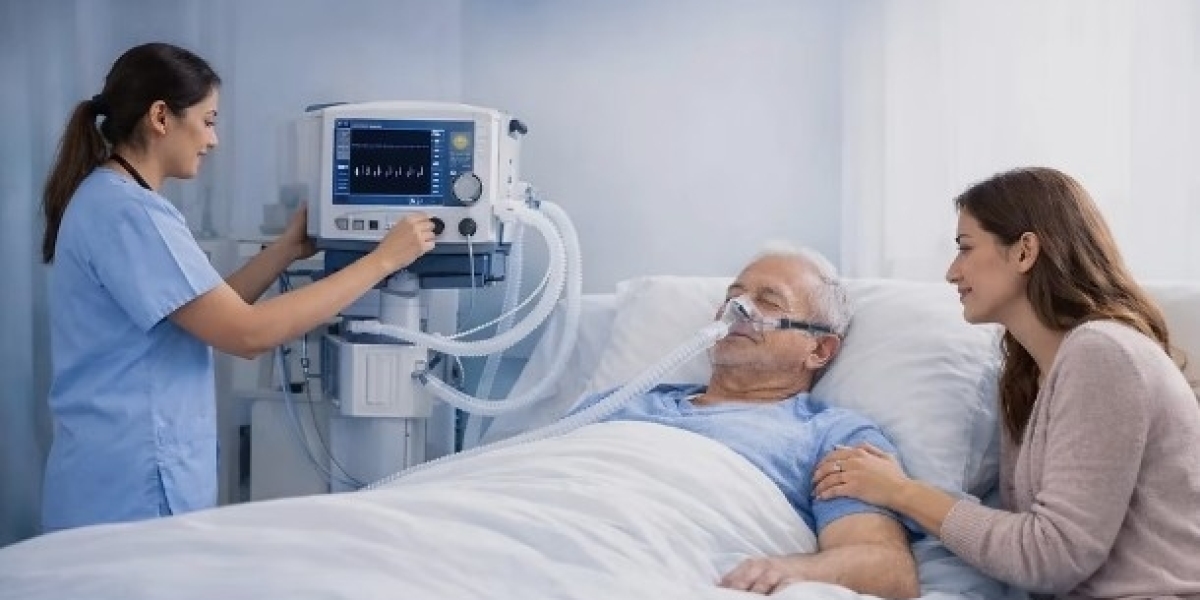

Caring for a patient who depends on mechanical ventilation requires consistency, careful monitoring, and professional medical assistance. Establishing a structured daily routine can help maintain respiratory health, improve comfort, and reduce the risk of complications. Ventilator Care At Home In Dubai allows eligible patients to receive essential breathing support in familiar surroundings while staying close to their families. However, successful home ventilation involves more than operating medical equipment. It requires proper hygiene, regular monitoring, medication management, and emotional support. With guidance from qualified nurses and services such as Doctor at Home, families can develop an organised care routine that addresses the patient's individual medical needs and supports their overall wellbeing.
Understanding the Importance of a Daily Ventilator Care Routine:
Patients receiving mechanical ventilation need consistent attention because their breathing depends partly or entirely on medical equipment. A structured daily routine helps caregivers monitor respiratory changes, maintain equipment hygiene, and identify potential problems early. It also ensures that essential activities, including medication administration, airway care, feeding, and repositioning, are completed according to the prescribed treatment plan. Every patient has different requirements depending on their medical condition, mobility, and ventilation method. Therefore, families should work with healthcare professionals to establish a personalised schedule. Maintaining written records of daily observations can also help nurses and doctors evaluate the patient's progress and make appropriate adjustments to the care plan.
Morning Ventilator and Equipment Checks:
Morning care should begin with checking the patient's condition and ensuring that the ventilator is functioning correctly. Caregivers should observe the patient's breathing pattern, comfort, and general appearance before proceeding with routine activities. The ventilator display, breathing circuit, electrical connections, and accessories should be inspected according to professional instructions. Any unusual alarms, damaged tubing, or equipment problems should be reported promptly. Nurses may also check prescribed vital signs, including oxygen saturation, heart rate, and respiratory rate. Important morning activities include:
Checking ventilator connections and equipment functionality.
Observing breathing patterns and patient comfort.
Monitoring oxygen saturation according to the care plan.
Checking the patient's skin and airway area.
Reviewing prescribed medication schedules.
Ensuring that essential medical supplies are available.
These checks help establish a safe starting point for the patient's daily care.
Maintaining Airway Hygiene and Respiratory Care:
Airway hygiene is an essential part of daily care for patients receiving mechanical ventilation, particularly those with tracheostomy tubes. These patients may require assistance managing respiratory secretions because they cannot always clear mucus independently. Professional nurses assess airway condition, provide prescribed suctioning when necessary, and follow appropriate tracheostomy care procedures. Humidification equipment may also be used when recommended to prevent excessive dryness in the airways. Caregivers should maintain proper hand hygiene before handling respiratory equipment and avoid unnecessary disconnections of breathing circuits. Airway care must always follow the patient's medical instructions, as excessive or inappropriate suctioning can cause complications. Families should report unusual secretions, bleeding, increased coughing, or breathing difficulties to the healthcare team.
Supporting Nutrition and Hydration Throughout the Day:
Proper nutrition and hydration contribute to the overall health of patients who depend on mechanical ventilation. Some individuals can eat and drink normally when their medical condition permits, while others require specialised feeding arrangements, such as enteral nutrition through a feeding tube. The healthcare team determines the appropriate nutritional plan according to swallowing ability, digestive health, and respiratory requirements. Caregivers should follow prescribed feeding schedules and monitor the patient for signs of discomfort, nausea, or feeding intolerance. Hydration should also be maintained according to medical recommendations. Professional nurses can assist with feeding-related care, monitor nutritional intake, and communicate concerns to the treating specialist. Families should never introduce changes to feeding methods without medical approval.
Medication Management and Scheduled Treatment:
Many ventilator-dependent patients require medications to manage their underlying respiratory conditions, infections, neurological disorders, or other health concerns. Maintaining an accurate medication schedule helps prevent missed doses and supports treatment consistency. Caregivers should keep an updated medication list containing the names, prescribed doses, and administration times of all medicines. Professional nurses can assist with medication administration and monitor the patient for possible adverse reactions. Some patients may also require prescribed respiratory treatments or other supportive therapies. Families should avoid changing medication doses, stopping treatment, or introducing new medicines without consulting the treating physician. Recording administered medications and any unusual reactions can help healthcare professionals review treatment effectiveness during follow-up assessments.
Repositioning and Maintaining Physical Comfort:
Patients who spend extended periods in bed may develop pressure injuries, muscle stiffness, and discomfort due to limited movement. Regular repositioning according to the prescribed care plan can help reduce pressure on vulnerable areas and improve comfort. Caregivers should pay particular attention to the heels, hips, back, and other areas exposed to prolonged pressure. Suitable mattresses, positioning cushions, and supportive bedding may be recommended by healthcare professionals. Nurses can also assist with passive range-of-motion exercises when clinically appropriate. During repositioning, caregivers must ensure that ventilator tubing and airway connections remain secure and are not pulled or obstructed. Any unusual pain, swelling, redness, or skin breakdown should be reported to the nursing team.
Personal Hygiene and Infection Prevention:
Maintaining personal hygiene is important for protecting ventilator-dependent patients from infections and supporting their dignity. Daily hygiene routines may include bathing or bed bathing, oral care, changing clothes, and maintaining clean bedding. Patients with artificial airways may require additional professional attention to tracheostomy hygiene and surrounding skin care. Caregivers should wash their hands before and after providing assistance and follow appropriate infection-control procedures. The patient's room and frequently touched surfaces should also be cleaned regularly. Essential hygiene practices include:
Wash hands before and after patient care.
Maintain regular oral hygiene.
Change soiled clothing and bedding promptly.
Keep medical supplies in clean storage areas.
Follow professional instructions for airway care.
Avoid exposing the patient to cigarette smoke and dust.
Limit contact with visitors experiencing contagious illnesses.
Consistent hygiene practices help create a cleaner and safer home environment.
Afternoon Monitoring and Patient Engagement:
Afternoon care provides an opportunity to reassess the patient's condition and support activities that improve emotional and physical wellbeing. Nurses may monitor prescribed vital signs, assess respiratory comfort, and review any changes observed during the morning. Depending on the patient's medical condition, suitable activities may include listening to music, reading, watching television, communicating with family members, or participating in recommended exercises. Patients with communication difficulties may benefit from writing boards, gestures, or specialised communication devices. Caregivers should also observe changes in mood, appetite, alertness, and sleep patterns. Maintaining meaningful activities throughout the day can reduce feelings of isolation and help patients remain connected to their families.
Evening Care and Preparing for Nighttime Ventilation:
Evening routines should focus on preparing the patient for comfortable rest while ensuring that all respiratory equipment remains ready for nighttime use. Caregivers should assist with personal hygiene, prescribed medications, comfortable positioning, and any scheduled nursing procedures. The ventilator, breathing circuits, and power connections should be checked according to the established care plan. Backup batteries and emergency supplies should remain accessible, particularly for patients who depend on continuous ventilation. Families should also ensure that the room is comfortable, appropriately lit, and free from unnecessary obstacles. A written record of the patient's daily observations, medication administration, and unusual symptoms can help the nursing team maintain continuity of care.
Recognising Warning Signs During Daily Care:
Regular observation helps families and professional nurses recognise changes that may require medical attention. Ventilator-dependent patients can experience equipment problems, airway obstruction, respiratory infections, and other complications. Caregivers should understand the patient's usual condition so they can identify unexpected changes. Warning signs may include:
Severe or unusual breathing difficulty.
Bluish lips or fingertips.
Sudden confusion or unresponsiveness.
Repeated ventilator alarms.
Persistent low oxygen readings.
Fever or unusual respiratory secretions.
Visible damage or disconnection of breathing equipment.
If severe breathing difficulty or unresponsiveness occurs, caregivers should activate the emergency plan and contact emergency medical services immediately. They should only perform emergency procedures for which they have received appropriate training.
The Role of Professional Nurses in Daily Ventilator Care:
Professional nurses are essential for maintaining consistent and safe home ventilation routines. They help monitor respiratory health, assess vital signs, manage prescribed airway procedures, administer medications, and maintain patient hygiene. Their training also allows them to identify early signs of complications and communicate important changes to the treating medical team. Families benefit from their guidance because nurses can demonstrate appropriate caregiving techniques and explain which activities require professional assistance. When arranging Ventilator Care At Home In Dubai, families should select a licensed healthcare provider with experience in respiratory nursing and complex patient management. The required level of nursing supervision should be determined according to the patient's condition and individual care plan.
Final Thoughts
Establishing a daily care routine is essential for patients receiving mechanical ventilation at home. From morning equipment checks and airway hygiene to medication management, nutrition, repositioning, and nighttime preparation, every activity contributes to consistent patient care. Families should work closely with qualified nurses and treating specialists to ensure that daily routines follow appropriate medical instructions. Regular monitoring, infection prevention, and emergency preparedness are equally important for reducing avoidable risks. With professional support and a personalised care plan, Ventilator Care At Home In Dubai can help eligible patients receive reliable respiratory assistance while enjoying greater comfort, dignity, and family involvement in familiar surroundings.