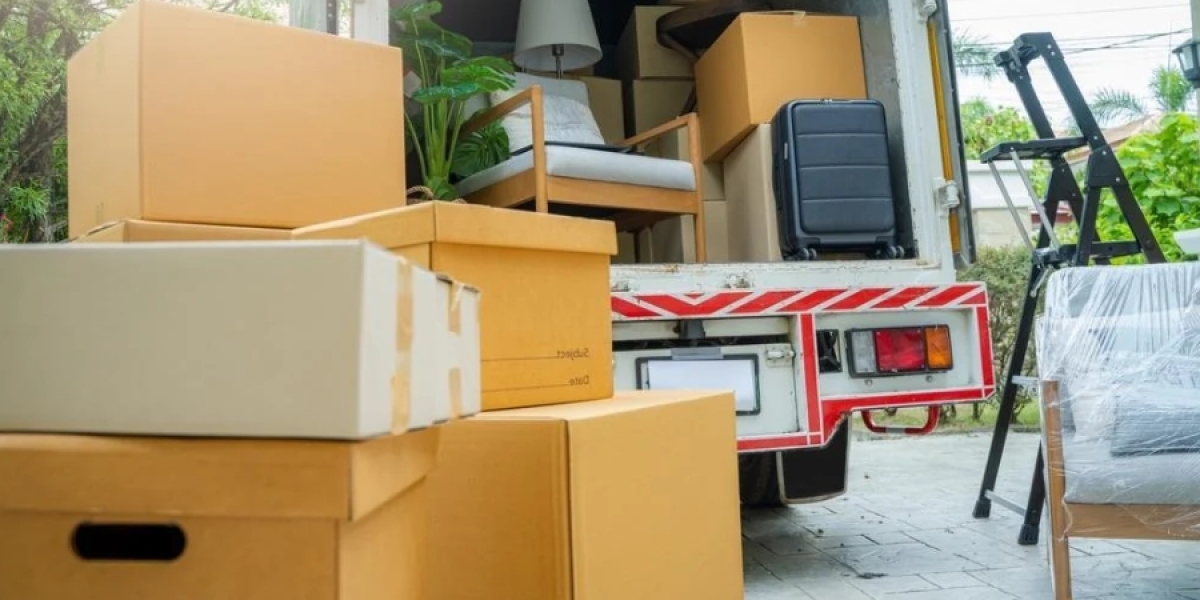

Moving house for the first time is an exciting milestone, but it can also feel overwhelming when you do not know where to begin. From organising paperwork and packing belongings to arranging transport and setting up utilities, there are many responsibilities to manage. Without a clear plan, small tasks can quickly become stressful, particularly when you are working towards a fixed moving date.
The best way to make your first move easier is to break the process into manageable steps. Preparing early, creating a checklist and understanding what needs to happen before and after moving day can save time and reduce confusion. Whether you are moving into your first rented property or buying your first home, this beginner's guide will help you prepare with confidence.
Create a Moving Checklist and Timeline
Start by writing down everything you need to organise before leaving your current home. Divide your tasks into categories such as paperwork, packing, utilities, transport and address changes. Having a written checklist makes it easier to track your progress and prevents important responsibilities from being forgotten.
Ideally, begin planning several weeks before your moving date. Around six to eight weeks ahead, confirm your moving arrangements, research removal services and start sorting through your belongings. As moving day approaches, focus on packing, confirming bookings and completing final checks. A realistic timeline helps you avoid leaving too many tasks until the last minute.
Set a Realistic Moving Budget
Your first house move may involve several expenses beyond the rent or property purchase. Consider the cost of transportation, packing materials, professional removal services, cleaning, utility connections and any essential furniture or household equipment. If you are moving into an unfurnished property, you may also need to budget for beds, appliances and kitchen essentials.
Write down your expected expenses and leave some money available for unexpected costs. Request written quotations from removal providers and check exactly which services are included. You can also reduce unnecessary spending by selling, donating or recycling belongings you no longer need. Moving fewer items may make transportation and packing easier.
Declutter Before You Start Packing
One of the easiest ways to simplify a first house move is to reduce the number of belongings you need to transport. Go through your clothes, books, kitchen equipment, decorations and other household items. Separate everything into categories: keep, sell, donate and dispose of. Be practical about what you genuinely use and what will fit comfortably into your new home.
Avoid packing items simply because you already own them. Unwanted furniture, old electronics and unused household equipment can take up valuable space in a removal vehicle. Selling or donating suitable items before moving day can also help reduce packing time. Once you have decided what to keep, organise your belongings by room to make the next stage easier.
Choose a Reliable Removal Service
Transporting furniture, appliances and packed boxes can be difficult without suitable equipment and experience. Before choosing a removal provider, research local companies, read customer reviews and compare written quotations. Check whether they offer services such as packing, furniture dismantling, protective wrapping and storage if you need additional assistance.
If you are planning a local move, consider contacting a removal company peterborough to discuss your requirements and moving date. Explain the size of your property, the number of belongings and any access difficulties, such as narrow staircases or limited parking. Ask about insurance protection, additional charges and booking conditions before confirming your arrangements. Choosing a suitable provider early can make the moving process more organised.
Start Packing Early and Label Every Box
Packing usually takes longer than first-time movers expect, so avoid leaving everything until the final few days. Begin with belongings you rarely use, such as seasonal clothing, decorations, spare bedding and books. Keep everyday essentials available until closer to moving day. Use strong boxes and suitable protective materials to reduce the risk of damage during transportation.
Label each box with its contents and the room where it belongs in your new property. For example, write kitchen, bedroom or bathroom clearly on the outside. Wrap fragile items individually and avoid making boxes too heavy to lift safely. Keep important documents, valuables, medication and daily essentials separate so you can access them without opening multiple boxes.
Organise Utilities and Change Your Address
Before moving, contact your gas, electricity, water and broadband providers to discuss the arrangements for your old and new properties. Confirm the dates when services should end or begin and check whether any equipment or appointments are required. It is also useful to arrange buildings and contents insurance where appropriate and confirm that your cover applies from the correct date.
Make a list of organisations that need your new address. This may include your bank, employer, insurance providers, GP, dentist, DVLA, HMRC and local council. You can also arrange Royal Mail post redirection to help prevent important letters from going to your previous home. Taking care of these details early can reduce administrative problems after moving.
Prepare an Essentials Box for Moving Day
Your first night in a new home can be difficult if everyday items are buried inside dozens of boxes. Prepare an essentials box containing the things you are likely to need immediately after arriving. Keep it separate from the main removal load if possible, so you can access it easily throughout the day.
Useful items include toiletries, toilet paper, towels, basic cleaning supplies, phone chargers, snacks, drinking water, a kettle, mugs and basic kitchen equipment. You should also keep important documents, keys and medication somewhere secure. Preparing this box in advance means you can manage your first evening without having to unpack everything straight away.
Check Your New Home After Moving In
Once you arrive, take some time to inspect the property before unpacking all your belongings. Locate the fuse box, water stopcock and heating controls so you know how to manage essential household systems. Check that smoke alarms and carbon monoxide alarms are working and report any noticeable problems through the appropriate channels.
Take electricity, gas and water meter readings where applicable and keep photographs for your records. Start by arranging essential furniture, unpacking kitchen supplies and setting up your bedroom. You can organise the remaining rooms gradually over the following days. Allowing yourself time to settle in makes the experience more comfortable and less stressful.
Conclusion
Moving house for the first time involves several important responsibilities, but proper preparation can make the experience much easier. Creating a checklist, setting a budget, decluttering and packing early will help you stay organised throughout the process. Arranging reliable transport and managing your utilities and address changes are equally important parts of a successful move.
Remember that you do not need to complete everything in one day. Focus on the most important tasks first and give yourself enough time to settle into your new surroundings. With a realistic plan and the right support, your first house move can become an enjoyable step towards a fresh start.