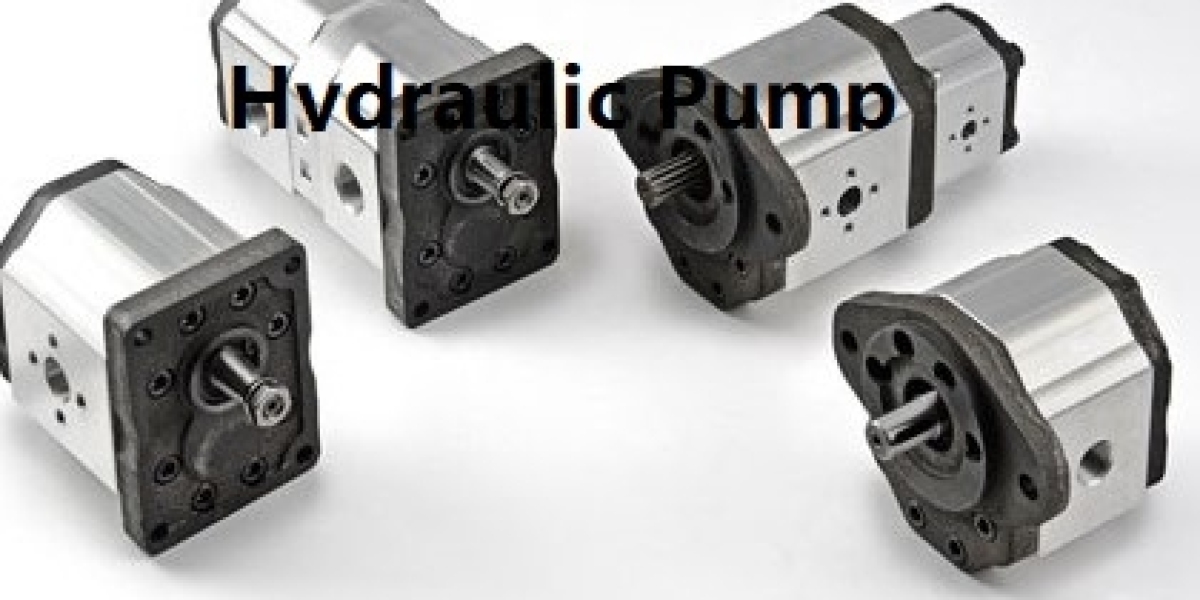

In industrial equipment, pump selection affects not only fluid delivery but also machine layout, operating stability, and maintenance planning. A KP Gear Pump can be considered when engineers need a gear-based solution for hydraulic oil circulation and mechanical power transmission. Understanding the design and application requirements of a KP Gear Pump helps equipment manufacturers compare suitable configurations, assess system compatibility, and plan a more effective hydraulic arrangement.
The Importance of Pump Integration in Equipment Design
A hydraulic pump is one part of a larger operating system. Its performance must work in coordination with motors, valves, pipelines, cylinders, and other hydraulic components. Even when a pump meets the basic flow requirement, an unsuitable connection or mounting arrangement may create difficulties during equipment assembly.
For this reason, manufacturers should evaluate the complete installation environment before selecting a pump. Available space, shaft connection, mounting position, inlet and outlet locations, and pipeline arrangement all deserve attention. Reviewing these details early can help reduce design changes and make equipment integration more straightforward.
Understanding Flow Demand and Operating Conditions
Different machines require different hydraulic flow characteristics. A material handling system, for example, may operate through repeated lifting and lowering cycles, while manufacturing equipment may need a consistent supply of hydraulic oil during production. The pump should be selected according to the operating pattern and the requirements of the hydraulic circuit.
Engineers should review displacement, rotational speed, working pressure, and expected operating duration. They should also consider how frequently the equipment starts and stops. These factors influence pump loading and the overall operating conditions.
It is important to remember that a positive displacement pump supplies flow, while system resistance determines the pressure developed. Appropriate pressure control and protective components should therefore be included in the hydraulic circuit design.
Fluid Quality and Component Protection
Hydraulic oil plays an important role in pump operation because it helps transmit power while lubricating internal moving components. Fluid that contains excessive dirt, moisture, or abrasive particles may contribute to wear and affect operating consistency.
A suitable filtration arrangement can help protect the pump and other hydraulic components. Buyers should also check whether the selected fluid has an appropriate viscosity for the intended operating temperature and equipment conditions. Material compatibility is another consideration, particularly when the system operates in environments with changing temperatures.
Regularly checking fluid condition and replacing filters according to maintenance recommendations can help prevent avoidable problems. These practices are especially relevant for equipment that operates for extended periods or works in environments where contamination may occur.
Liming-Machine Product Selection and Technical Communication
Selecting an appropriate pump becomes easier when buyers provide clear technical information to the supplier. Useful details include the intended machine type, required flow, operating pressure, drive speed, connection dimensions, and hydraulic fluid specifications. Drawings or photographs of the installation area can also help explain the equipment layout.
Liming-Machine provides gear pump products for customers working with different machinery and fluid power applications. Before confirming an order, buyers should review the available product specifications and discuss any special connection or installation requirements. Clear communication helps both parties evaluate product suitability and avoid misunderstandings during procurement.
Maintenance Planning for Long-Term Equipment Use
Maintenance should be included in the equipment plan rather than treated as an occasional response to problems. Operators can monitor changes in operating noise, vibration, temperature, and fluid leakage to identify potential issues. Unusual changes may indicate problems involving alignment, fluid condition, connections, or internal component wear.
Technicians should inspect the pump and surrounding hydraulic lines at appropriate intervals. Mounting fasteners and fittings should remain secure, while seals and other wear-related components should be checked according to the manufacturer's guidance. When servicing is required, using compatible replacement parts and following the correct assembly procedures can help maintain equipment performance.
A well-planned hydraulic system depends on suitable component selection, clean operating fluid, correct installation, and consistent maintenance. Evaluating these factors together helps manufacturers make informed purchasing decisions and organize equipment projects more effectively. For further information about gear pump products and machinery solutions, visit https://www.liming-machine.com and discuss your application requirements with the supplier.