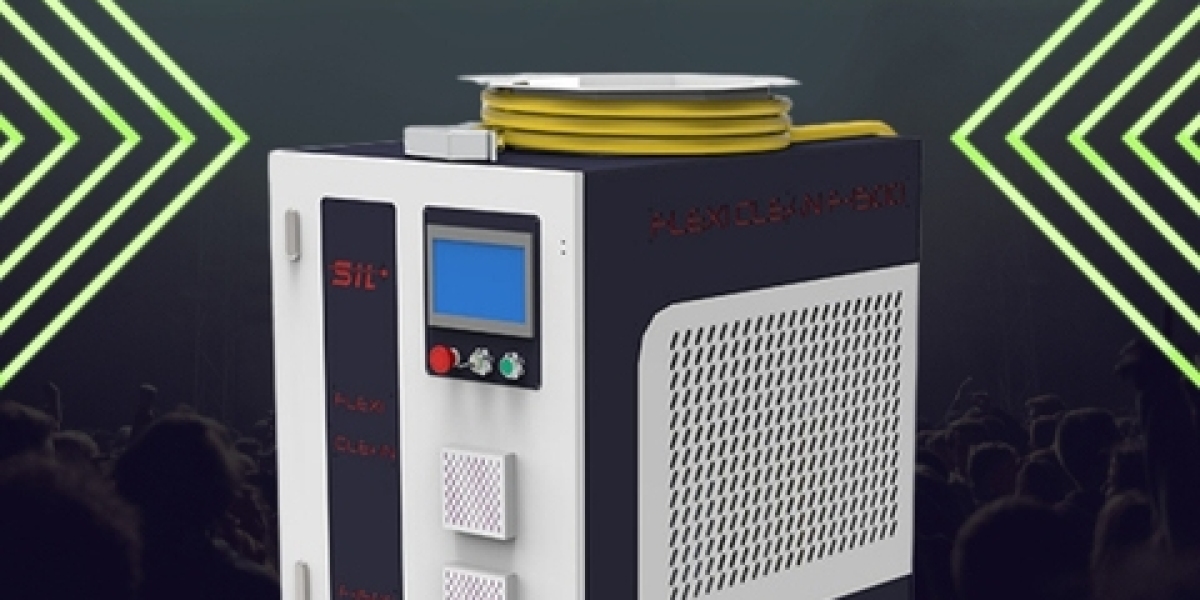

Industrial cleaning plays an important role in manufacturing, metal processing, automotive production, and equipment maintenance. Removing rust, paint, oil, and other unwanted materials from metal surfaces is essential for maintaining product quality and preparing materials for further processing. A fiber laser cleaning machine provides a modern approach to surface treatment by using focused laser energy to remove contaminants from different materials.
As industries continue to adopt advanced manufacturing technologies, laser cleaning is becoming an increasingly popular option for workshops and production facilities. Its applications range from restoring metal components to preparing surfaces for welding, coating, and other industrial operations.
Understanding Fiber Laser Cleaning Technology
A fiber laser cleaning system uses a high-energy laser beam generated through optical fiber technology. The beam is directed toward a surface where it interacts with unwanted layers of material. Depending on the selected settings and the type of contamination, the laser energy can remove rust, paint, oxidation, grease, and other deposits.
The cleaning process is generally controlled through software and adjustable operating parameters. Operators can select suitable power levels, scanning speeds, and cleaning patterns according to the material and the condition of the surface.
This technology is used in various industrial environments because it supports controlled cleaning without relying on conventional chemical cleaning solutions or abrasive materials.
Common Industrial Applications
Laser cleaning technology has applications across several manufacturing sectors. Metal fabrication companies use it to prepare steel components before welding and coating. Automotive manufacturers apply laser cleaning when treating metal parts, removing surface oxidation, and maintaining production components.
In the shipbuilding industry, it can be used to address rust and paint deposits on metal structures. Heavy machinery workshops also use laser systems to clean equipment parts and prepare surfaces for repair work.
Another important application is mold cleaning. Manufacturing molds can accumulate residues during repeated production cycles. Laser cleaning can help remove these deposits and maintain suitable mold surfaces for continued manufacturing.
Selecting the Right Machine for Your Business
Choosing suitable laser cleaning equipment requires an understanding of the intended application. Different cleaning tasks require different power levels and operating configurations.
Before purchasing a fiber laser cleaning machine, businesses should consider the following factors:
Cleaning material: Identify whether the primary materials are stainless steel, carbon steel, aluminum, or other metals.
Contamination type: Determine whether the machine will remove rust, paint, oil, oxidation, or industrial residues.
Laser power: Select an appropriate power level according to the thickness and condition of the unwanted material.
Working environment: Consider whether the equipment will be used in a fixed production area or different workshop locations.
Operating requirements: Review the control system, scanning options, maintenance requirements, and operator training.
Understanding these requirements helps businesses select equipment that matches their production processes.
Handheld and Automated Cleaning Systems
Laser cleaning equipment is available in different configurations to support various industrial requirements. Handheld systems are commonly used for repair work, maintenance, and cleaning components with different shapes and sizes. Their operating flexibility makes them suitable for workshops that handle multiple cleaning tasks.
Automated laser cleaning systems are designed for manufacturing environments where cleaning operations need to be integrated into production lines. These systems can work with robotic equipment and automated positioning solutions to maintain consistent cleaning patterns.
The choice between handheld and automated equipment depends on production volume, component dimensions, and the level of automation required.
Important Operating and Safety Considerations
Proper operation is essential when using industrial laser equipment. Operators should receive suitable training before working with the system and follow the manufacturer's instructions.
Laser safety glasses designed for the specific laser wavelength must be used. Work areas should have appropriate safety controls, protective enclosures where necessary, and warning signs. Proper ventilation and fume extraction are also important because removing paint, coatings, and other contaminants may release harmful particles or fumes.
Regular inspection of optical components, cables, cooling systems, and other equipment parts helps maintain reliable operation.
The Future of Laser Surface Cleaning
Manufacturing companies are increasingly exploring laser-based solutions as part of their production and maintenance processes. Improvements in laser sources, scanning technology, automation, and control systems continue to expand the possible applications of industrial cleaning equipment.
A fiber laser cleaning machine can be considered for businesses looking to introduce controlled laser-based surface treatment into their operations. As production requirements become more specialized, selecting equipment according to material types, cleaning applications, and workplace conditions will remain important.
Final Thoughts
Laser cleaning technology is developing into an important solution for modern industrial surface preparation. From removing rust and paint to cleaning molds and preparing metal components for welding, it supports a wide range of manufacturing activities. Businesses interested in upgrading their cleaning processes should evaluate their application requirements, equipment specifications, and workplace safety arrangements before making a purchasing decision. Choosing the right fiber laser cleaning machine can help establish a suitable cleaning process for long-term industrial use.
#FiberLaserCleaningMachine #LaserCleaningTechnology #IndustrialCleaning