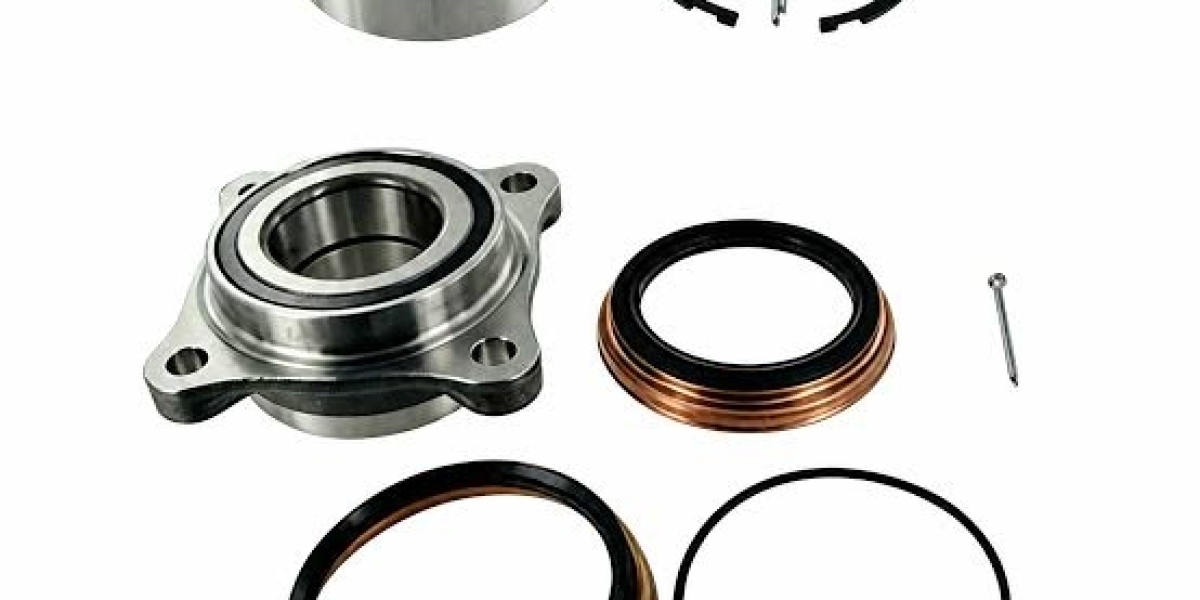

A reliable clutch is essential for smooth driving and accurate gear changes. One important component is the clutch release bearing, also called a throw-out bearing. It works whenever the driver presses the clutch pedal. Choosing the correct replacement helps support dependable clutch operation.
What Is a Clutch Release Bearing?
A clutch release bearing is a precision component in the clutch release mechanism. It transfers force from the pedal linkage or hydraulic operating system to the pressure plate while allowing the pressure plate to rotate. This lets stationary release components apply force to rotating parts smoothly.
In a conventional system, pressing the pedal moves a fork or actuator. The fork pushes the bearing against the pressure plate's diaphragm spring fingers. This releases the clutch disc, disconnecting engine power from the transmission so the driver can change gears. Releasing the pedal allows the pressure plate to clamp the disc against the flywheel again.
Why Is It Important?
The bearing supports smooth clutch engagement and disengagement. It must withstand axial force, rotational speed, heat, and repeated operation. A correctly matched bearing helps the clutch operate smoothly and can reduce unwanted noise and vibration.
A worn bearing may affect pedal feel and gear changes. If ignored, a release-system fault can contribute to damage elsewhere in the clutch assembly.
Common Signs of a Worn Release Bearing
Possible warning signs include:
Unusual noise: Whining, squealing, chirping, or grinding that changes when the pedal is pressed can indicate a bearing or release-system problem.
Pedal vibration: Roughness or vibration felt through the pedal may point to wear or damage.
Difficult gear changes: Incomplete clutch disengagement can make selecting gears difficult or noisy.
Changed pedal feel: A stiff, uneven, or abnormal pedal may be associated with a sticking bearing or another operating fault.
These symptoms do not confirm bearing failure. The clutch fork, guide sleeve, pressure plate, pilot bearing, or hydraulic system can cause similar problems. Have the system inspected before ordering parts.
How to Choose the Right Clutch Release Bearing
Selecting the correct bearing is essential for fit and service life. Start with the vehicle's make, model, year, engine, and transmission details. Compare the original equipment (OE) number or an approved cross-reference.
Confirm the bearing design too. Some vehicles use a separate bearing and carrier operated by a clutch fork; others use a concentric hydraulic release assembly. Push-type and pull-type designs have different engagement arrangements and are not interchangeable. Check dimensions, mounting points, contact face, guide fit, and compatibility with the pressure plate.
Do not select a bearing by appearance alone. Similar-looking parts can differ in installed height or connections. Ask a supplier or technician to verify the part reference if unsure.
Installation and Maintenance Tips
Correct installation helps a new bearing deliver reliable service. Access often requires transmission removal, so an experienced mechanic should follow the vehicle manufacturer's instructions.
During clutch service, inspect the release fork, pivot, guide sleeve, pressure plate, clutch disc, and hydraulic components. Replace worn parts as required. Technicians often renew the release bearing when replacing the clutch because much of the labour overlaps. Follow manufacturer guidance.
Avoid resting your foot on the clutch pedal, which can keep the release mechanism under unnecessary load. In traffic, use the brake or select neutral when appropriate. Have unusual noises or pedal changes checked promptly.
Explore Bearing Products
For maintenance, repair, or production, accurate product information matters. Review the range at NMR Bearing's product page. Confirm the application, dimensions, and part reference with the supplier.
A properly selected clutch release bearing helps the clutch system operate as intended and supports smooth gear changes. By identifying symptoms early, checking compatibility, and following correct installation practices, vehicle owners and technicians can help protect the clutch system and reduce repeat repairs.
Regular inspections during scheduled clutch service can reveal wear before it causes further trouble, helping workshops plan repairs and avoid unnecessary downtime for vehicle owners.