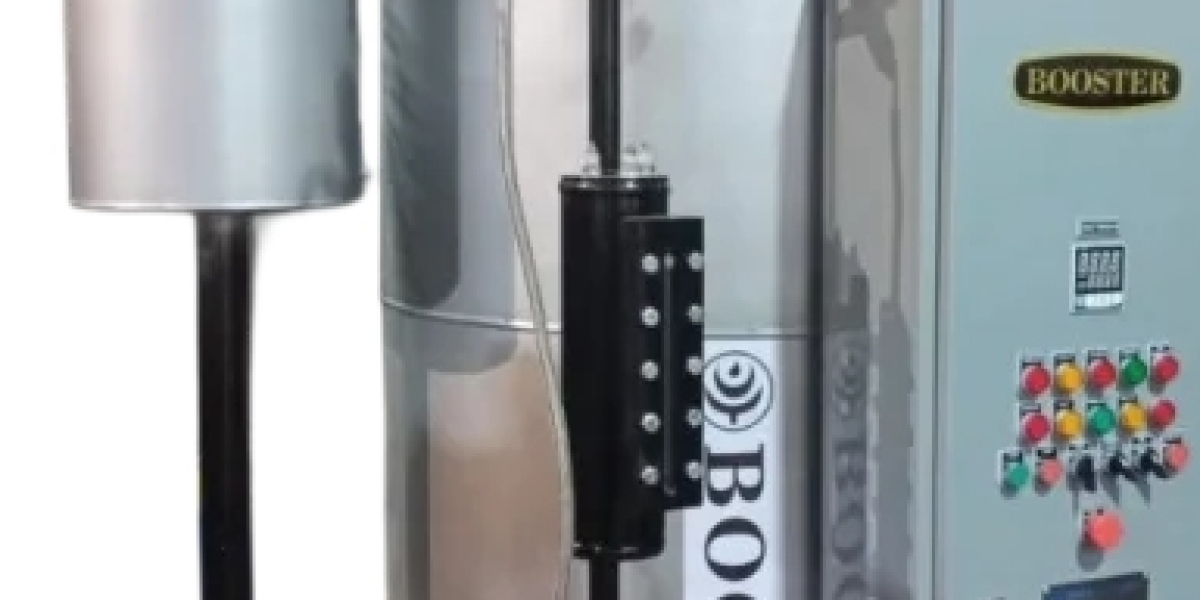

Introduction to Industrial Steam Generators
Industrial steam generators play an essential role in modern manufacturing, energy production, and industrial processing. These specialized systems convert water into steam by using heat energy, providing a dependable source of thermal power for a wide range of applications. From food processing plants and pharmaceutical facilities to chemical industries and textile factories, industrial steam generators support operations that require consistent heating, sterilization, and process control.
As industries continue to prioritize productivity, energy efficiency, and environmental responsibility, advanced steam generation technology has become increasingly important. Modern equipment combines innovative engineering, automated controls, and improved heat transfer systems to deliver reliable performance while helping businesses manage operating costs.
How Industrial Steam Generators Work
An industrial steam generator operates by transferring heat to water until it reaches the required temperature and pressure to produce steam. Depending on the system design, heat may come from natural gas, electricity, oil, biomass, or other suitable energy sources. The generated steam is then distributed through insulated pipes to equipment and production processes that require thermal energy.
Modern industrial steam generators incorporate essential components such as heating elements, combustion systems, pressure vessels, water treatment equipment, pumps, safety valves, and control panels. Each component contributes to stable operation and efficient heat production. Automated monitoring systems help operators regulate temperature, pressure, and water levels according to specific industrial requirements.
Major Applications Across Different Industries
Industrial steam generators are widely used because steam provides Water Tube Steam Generator an effective and versatile method of transferring heat. In food and beverage manufacturing, steam supports cooking, pasteurization, cleaning, and sterilization processes. Its controlled heat distribution helps manufacturers maintain consistent production standards.
In pharmaceutical and healthcare-related manufacturing, steam is essential for sterilizing equipment, containers, and production environments. Textile factories use steam for fabric processing, dyeing, drying, and finishing operations. Chemical manufacturing facilities depend on steam for heating reactors, maintaining process temperatures, and supporting various production stages.
Industrial steam generators also serve paper mills, automotive manufacturing plants, commercial laundries, and power generation facilities. Their versatility makes them valuable equipment for businesses with different production requirements.
Advantages of Modern Industrial Steam Generation Systems
One of the most important advantages of modern industrial steam generators is their ability to provide dependable thermal energy. Consistent steam production helps manufacturing facilities maintain production schedules and reduce interruptions caused by insufficient heating capacity.
Energy efficiency is another major benefit. Advanced heat exchangers, improved insulation, automatic combustion controls, and intelligent monitoring systems can reduce unnecessary energy losses. Businesses can select equipment with an appropriate output capacity to avoid excessive fuel consumption and inefficient operation.
Compact system designs also make certain industrial steam generators suitable for facilities with limited installation space. Compared with some conventional boiler arrangements, specific steam generator configurations can offer faster startup times and flexible installation options.
Choosing the Right Industrial Steam Generator
Selecting suitable equipment requires careful consideration of operational requirements. Businesses should first evaluate the amount of steam needed during normal production and peak operating periods. Steam pressure, temperature, fuel availability, operating hours, and required steam quality should also influence the purchasing decision.
Installation space and existing infrastructure are equally important. A generator must integrate properly with water supply systems, electrical connections, fuel arrangements, ventilation, and steam distribution networks. Companies should also consider equipment materials, maintenance accessibility, and the availability of replacement components.
Working with experienced industrial equipment specialists can help organizations identify a suitable system. A properly selected generator can support long-term operational reliability while reducing unnecessary energy and maintenance expenses.
Maintenance and Operational Safety
Regular maintenance is essential for keeping industrial steam generators operating safely and efficiently. Operators should inspect pressure gauges, safety valves, pumps, heating components, electrical connections, and water-level controls according to the manufacturer's maintenance schedule.
Water quality requires particular attention because mineral deposits and impurities can accumulate inside equipment. Proper water treatment helps minimize scaling, corrosion, and reduced heat transfer efficiency. Periodic cleaning and professional inspections can also identify potential problems before they develop into expensive equipment failures.
Safety procedures should include pressure monitoring, emergency shutdown systems, operator training, and compliance with applicable industrial regulations. All pressure-related components must be inspected and maintained by qualified professionals.
The Future of Industrial Steam Generator Technology
Industrial steam generation is evolving through automation, digital monitoring, and more sustainable energy solutions. Modern control systems can track operating conditions, identify performance changes, and help maintenance teams detect developing problems. These capabilities support more informed maintenance planning and improved equipment management.
Manufacturers are also exploring electric steam generators, renewable energy integration, heat recovery technologies, and alternative fuels. These developments can help industrial facilities reduce dependence on conventional energy sources and improve overall resource efficiency.
As environmental standards and industrial expectations continue to develop, steam generation equipment will increasingly focus on efficient energy use, reliable operation, and reduced emissions.
Conclusion
Industrial steam generators remain an important part of modern industrial infrastructure. Their ability to deliver controlled, reliable heat makes them valuable across manufacturing, food processing, pharmaceuticals, textiles, chemicals, and numerous other sectors. By choosing equipment that matches their production requirements and following appropriate maintenance and safety practices, businesses can improve operational efficiency and maintain dependable production processes. With continued technological advancements, industrial steam generators will remain a vital solution for industries seeking reliable and increasingly sustainable thermal energy.



Mga Sikat na Post
-

-
 Купить дипломы о высшем.Sa pamamagitan ng cierrabarger91
-
 Купить диплом магистра.Sa pamamagitan ng deandrebruns75
-
 Купить аттестат об образовании 9 классов.Sa pamamagitan ng caitlin0247861
-
 Диплом с внесением в реестр.Sa pamamagitan ng kathleenrays7


