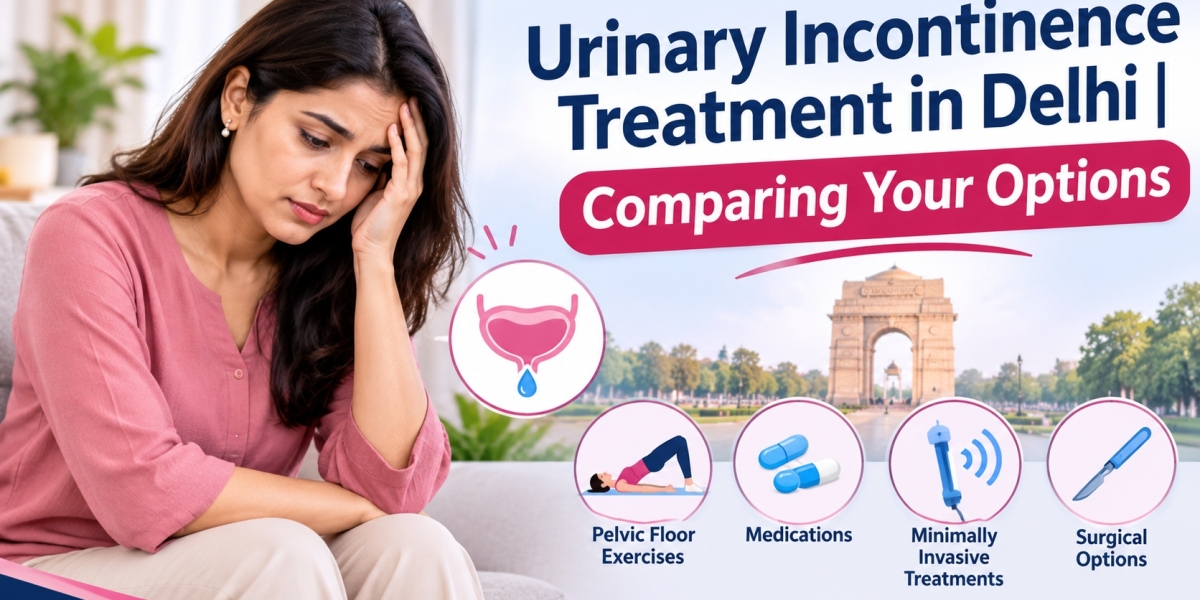

A sneeze, a laugh, a quick jog for the metro, and suddenly you're clenching and hoping nobody noticed. If this sounds familiar, you're far from alone. Studies suggest that roughly one in three women deals with bladder leakage at some point, yet most wait years before speaking to anyone. The good news is that urine leakage treatment in Delhi has come a long way, and not every option means surgery.
This guide compares the main approaches so you can walk into a consultation knowing what to ask.
First, Which Type Do You Have?
It varies according to the type of leakage, so it helps to understand the difference.
Stress incontinence: leaking when you cough or sneeze, lift, or exercise. It is common after having a baby or around menopause.
Urge incontinence is a strong need to pee that you can't control, and you may leak before you can get to the toilet.
Mixed incontinence is a combination of both.
An Urinary incontinence specialist in Delhi will generally clarify this with a history, pelvic exam, and maybe a bladder diary or other straightforward tests.
Comparing the Treatment Options
1. Pelvic Floor Exercises and Physiotherapy
Best for: mild stress incontinence, post-delivery weakness
Pros: no side effects, inexpensive, good for overall health of the pelvic region.
Cons: Takes weeks of sticking to it; Kegels are often performed incorrectly by women with no guidance
If done properly and under supervision, it can be effective for simple cases. If done improperly, it makes no difference.
2. Medication
Best for: urge incontinence and overactive bladder
Pros: non-invasive, easy to start
Cons: dry mouth or constipation; leakage will return if you stop.
Medications can relax an overactive bladder, but do little for stress leakage from support that's not strong enough.
3. Non-Surgical Laser and Energy-Based Treatments
Best for: mild to moderate stress urinary incontinence, vaginal laxity, menopausal changes
Pros: short sessions, no cuts, little downtime
Typically requires a few treatments; however, results may vary from patient to patient.
That is the point where a cosmetic gynaecology clinic frequently will get involved. These processes require reinforcing the vaginal and urethral tissue - some women decide on that particular undertaking to avoid the need for an operation. Ask your health care provider truthfully whether it is suitable for you.
4. Surgical Options
Ideal for: Moderate to severe stress incontinence, or if other treatments have failed
Pros: the longest-lasting results for suitable patients
Cons: anaesthesia, recovery period, and small but real surgical risks
The most common are sling surgeries. Surgery can be done but is seldom the first treatment.
So, What Should You Choose?
A simple way to think about it:
- Mild leakage: start with physiotherapy and lifestyle changes
- Urgency and frequency: bladder training and medication
- Moderate stress leakage, or you want to avoid surgery: ask about non-surgical in-clinic treatments
- Severe or persistent leakage: discuss surgery
Weight, constipation, smoking, a chronic cough, and too much caffeine all make things worse, so fixing these helps whichever route you take.
When to See a Doctor
Don't wait until it affects your social life. See someone if you're using pads daily, avoiding exercise or travel, getting up several times at night, or noticing blood in your urine or pain while passing it. These need checking regardless of anything else.
Finding the Right Clinic
When searching for a bladder incontinence treatment for women in Delhi, look for a doctor who listens first, explains the cause of your leakage, and offers more than one option instead of pushing a single procedure. At Swaaya Cosmetic Gynaecology Clinic, the focus is on private, women-centred care, where you can talk openly without embarrassment.
FAQs
1. Is urinary leakage normal after childbirth?
It is normal. But normal doesn't mean you have to put up with it. Damaged pelvic muscles following delivery are very treatable and most women get better with proper treatment.
2. Can bladder leakage go away without treatment?
Sometimes mild forms can resolve spontaneously, particularly if related to a temporary cause such as a urinary tract infection. Leakage due to lack of muscle strength tends to be persistent or progressive without intervention.
3. Do I always need surgery?
No. Many women use exercises, lifestyle changes, medication, or non-surgical procedures first. Surgery is usually only seen as an option if these have been unsuccessful.
4. How long does it take to see results after treatment?
You can expect a course of pelvic floor exercises to take 6 to 12 weeks of regular exercise. Medication can usually improve symptoms in a few weeks, and in-clinic procedures depend on the type of procedure and the number of appointments.
5. Which doctor should I see for urine leakage?
A good choice for a first consultation is a gynaecologist or urogynaecologist, preferably one who already often attends to issues concerning women's pelvic floor.