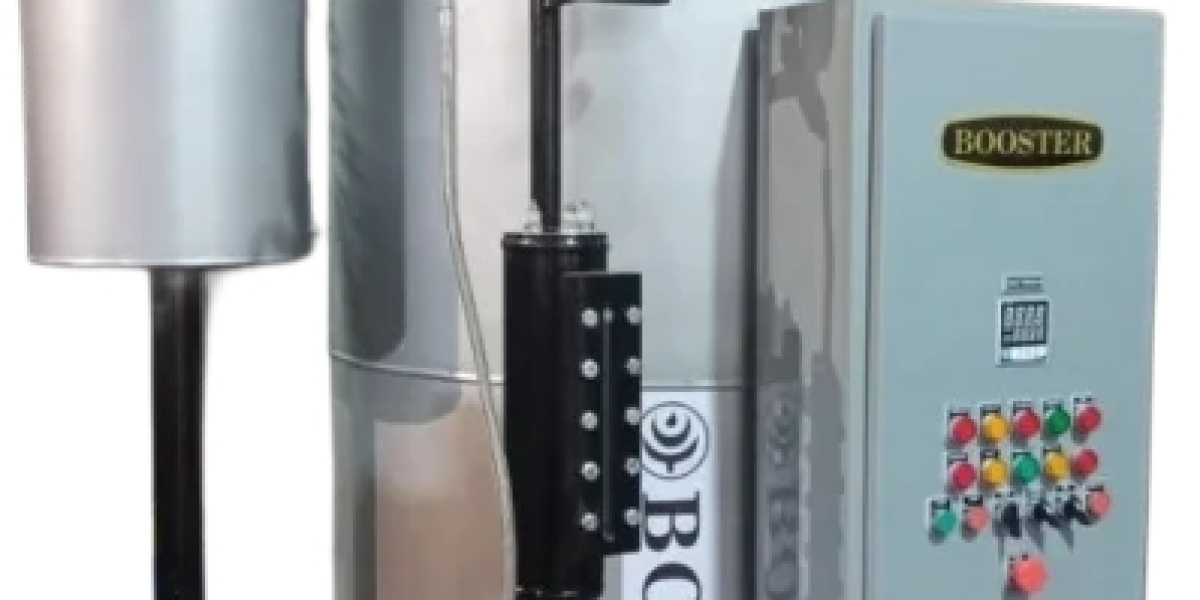

Introduction to Industrial Steam Generators
Industrial steam generators play an essential role in modern manufacturing, processing, and production facilities. These advanced machines produce steam by heating water through different energy sources, providing the thermal power required for a wide range of industrial operations. From food processing and pharmaceutical manufacturing to chemical production and textile industries, steam generators support important processes that require consistent heat and controlled temperatures. Their ability to deliver reliable steam makes them a valuable investment for businesses seeking productivity, efficiency, and dependable performance.
Understanding How an Industrial Steam Generator Works
An industrial steam generator operates by transferring heat to water until it reaches the required temperature and pressure to produce steam. Depending on the system design, the heat source may include natural gas, electricity, diesel, biomass, or other suitable fuels. Water enters the heating system, absorbs thermal energy, and transforms into steam that can be distributed through industrial pipelines.
Modern steam generators are designed with advanced controls that help regulate pressure, temperature, and water levels. These features allow operators to maintain stable operating conditions while improving energy management. Automated monitoring systems can also identify unusual operating conditions and help reduce the possibility of equipment damage.
Important Applications Across Different Industries
Industrial steam generators are widely used because steam provides an effective and versatile source of thermal energy. In food and beverage manufacturing, steam supports cooking, sterilization, cleaning, and drying processes. Pharmaceutical companies use carefully controlled steam for equipment sterilization and maintaining hygienic production environments.
In textile manufacturing, steam is important for fabric processing, dyeing, finishing, and ironing. Chemical industries rely on steam for heating vessels, supporting chemical reactions, and maintaining specific production temperatures. Paper mills use steam in drying and processing operations, while hospitals and commercial facilities depend on steam systems for sterilization and other essential services.
Benefits of Modern Industrial Steam Generator Systems
One of the main advantages of modern industrial steam generators is their ability to provide dependable heat for demanding applications. Efficient designs can reduce unnecessary energy consumption and help businesses manage operational expenses. Compact models can also save valuable installation space, making them suitable for facilities with limited room.
Another important benefit is operational flexibility. Industrial steam generators are available in different capacities and configurations, allowing businesses to select equipment according to their production requirements. Advanced automation improves temperature and pressure control, while safety mechanisms help protect equipment and operators.
With appropriate maintenance, a high-quality steam generator can deliver consistent performance over an extended operating life.
Choosing the Right Industrial Steam Generator
Selecting the right industrial steam generator requires careful Gas Steam Generator consideration of several technical and operational factors. Businesses should begin by evaluating their required steam output, operating pressure, temperature range, and daily production schedule. Choosing a system with insufficient capacity may interrupt production, while an oversized unit can increase unnecessary energy expenses.
Fuel availability is another important consideration. Gas-powered systems may be suitable for facilities with reliable gas supplies, while electric steam generators can provide an alternative where electrical infrastructure supports the required demand. Companies should also consider installation requirements, maintenance accessibility, environmental regulations, and the availability of replacement parts.
Working with an experienced manufacturer or supplier can help businesses identify a suitable solution for their specific industrial applications.
Energy Efficiency and Environmental Considerations
Energy efficiency is an increasingly important factor in industrial steam generation. Modern systems incorporate improved heat-transfer technology, insulation, automatic controls, and combustion management features to reduce energy losses. Some facilities also use heat recovery systems to capture waste heat and improve overall plant efficiency.
Regular inspection of steam traps, pipelines, valves, and insulation can prevent unnecessary heat loss. Proper water treatment is equally important because mineral deposits and corrosion can reduce heat-transfer efficiency and damage internal components.
By investing in efficient equipment and responsible operating practices, businesses can lower fuel consumption, reduce operating costs, and support environmental sustainability goals.
Maintenance and Industrial Steam Generator Safety
Routine maintenance is essential for maintaining the reliability and safety of industrial steam generators. Operators should regularly inspect pressure controls, safety valves, water-level indicators, burners, electrical connections, and other critical components. Water quality should also be monitored to prevent scale formation, corrosion, and internal damage.
Industrial steam generators operate under high temperatures and pressures, making safety procedures extremely important. Equipment should be installed and operated according to manufacturer instructions and applicable pressure-vessel regulations. Qualified technicians should perform inspections, testing, and servicing at recommended intervals.
Proper operator training and preventive maintenance can reduce unexpected breakdowns, improve equipment performance, and create a safer working environment.
The Future of Industrial Steam Generation Technology
Industrial steam generation continues to develop as manufacturers focus on automation, energy conservation, and improved system performance. Smart monitoring technology allows operators to track operating conditions and identify maintenance requirements more effectively. Advanced control systems can also help facilities adjust steam production according to changing production demands.
There is growing interest in electric steam generators, renewable energy integration, and heat recovery solutions. These technologies provide additional opportunities for industries seeking to improve energy management and reduce their environmental impact.
As industrial requirements continue to evolve, modern steam generators will remain an important part of efficient manufacturing and processing infrastructure.



популярные посты







