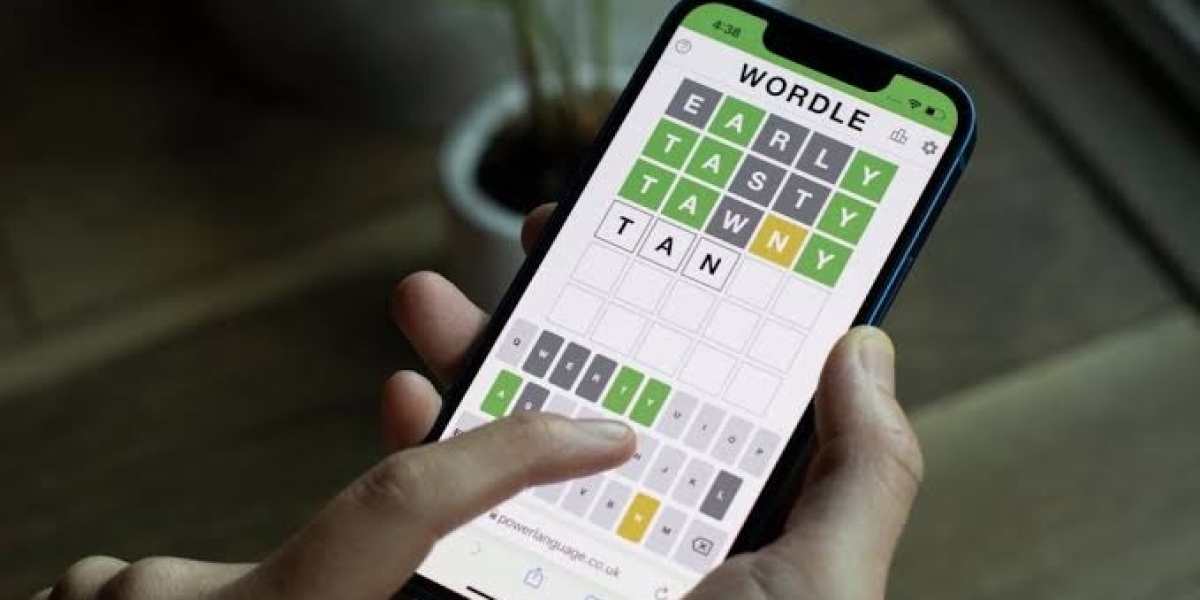

Wordle is a daily word puzzle created by software engineer Josh Wardle and later acquired by The New York Times. Its appeal rests on an elegant idea: guess a hidden five-letter word in six tries. After each guess, colored tiles show whether each letter is correct and correctly placed, present in the word but misplaced, or absent. The rules take seconds to learn, yet the puzzle invites strategy, deduction, and a little luck.
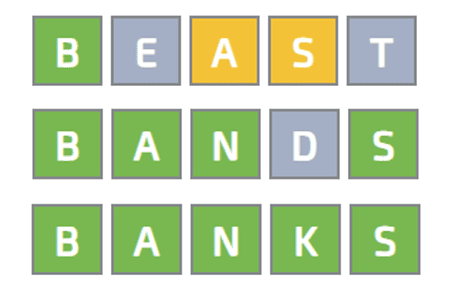
How Wordle Works
Players enter a valid five-letter word and receive feedback: green indicates a letter in the right position, yellow means it appears elsewhere, and gray means it is not in the answer. Each guess narrows the possibilities. The objective is not merely to find the word, but to do so within six attempts.
Because everyone receives the same daily puzzle, Wordle has a shared, social quality. Players often post a grid of colored squares online, showing their progress without revealing the answer. This format helped turn an individual puzzle into a common conversation.
Why It Became So Popular
Wordle’s design is unusually restrained. There is one puzzle per day, no timer, and no requirement to play for hours. A player can finish in a few minutes and then move on. The daily limit creates anticipation while avoiding the endless stream of levels common in many mobile games.
The game also offers a satisfying balance of skill and uncertainty. A strong opening word can reveal useful letters, but no strategy guarantees a quick solution. Players might begin with a word containing common vowels and consonants, then use later guesses to test likely letter combinations. The puzzle rewards logical thinking without demanding specialist knowledge.
Its accessibility matters, too. Wordle is easy to explain, works across generations, and gives players a modest daily challenge. For many, it became a small routine: a mental warm-up over breakfast or a puzzle shared with friends and family.
Strategy, Luck, and the Case for Difficulty
There is no universally best starting word. Some players favor words rich in common letters, such as “slate” or “crane”; others choose a word simply because it is familiar. The best approach depends on the goal. A guess that tests many common letters may be useful early, while a later guess should make the most of the clues already uncovered.
Still, chance remains part of the experience. A player may face several possible answers that fit the same pattern, and a single guess may not distinguish them all. This can make a puzzle feel unfair, especially when the answer contains an uncommon letter or an unexpected spelling. Yet this uncertainty is also part of Wordle’s appeal: solving it is not always a matter of applying a perfect method.
Criticism and Broader Impact
Some players worry that public score-sharing turns a relaxing game into a competition. Others object to changes in the word list or to the puzzle’s placement within a paid newspaper subscription. These concerns reflect a broader tension between a simple, freely shared pastime and the commercial platform that now hosts it.
Wordle has also inspired countless variants, from themed puzzles to versions with more letters or multiple simultaneous answers. This creativity demonstrates the strength of its basic design, though imitators can sometimes dilute what made the original distinctive: one puzzle, clear rules, and a short daily commitment.
Ultimately, Wordle is more than a vocabulary test. It is a compact exercise in reasoning, a social ritual, and a reminder that a simple game can offer genuine pleasure. Its lasting success will depend on preserving that balance between challenge, accessibility, and the freedom to play without pressure.