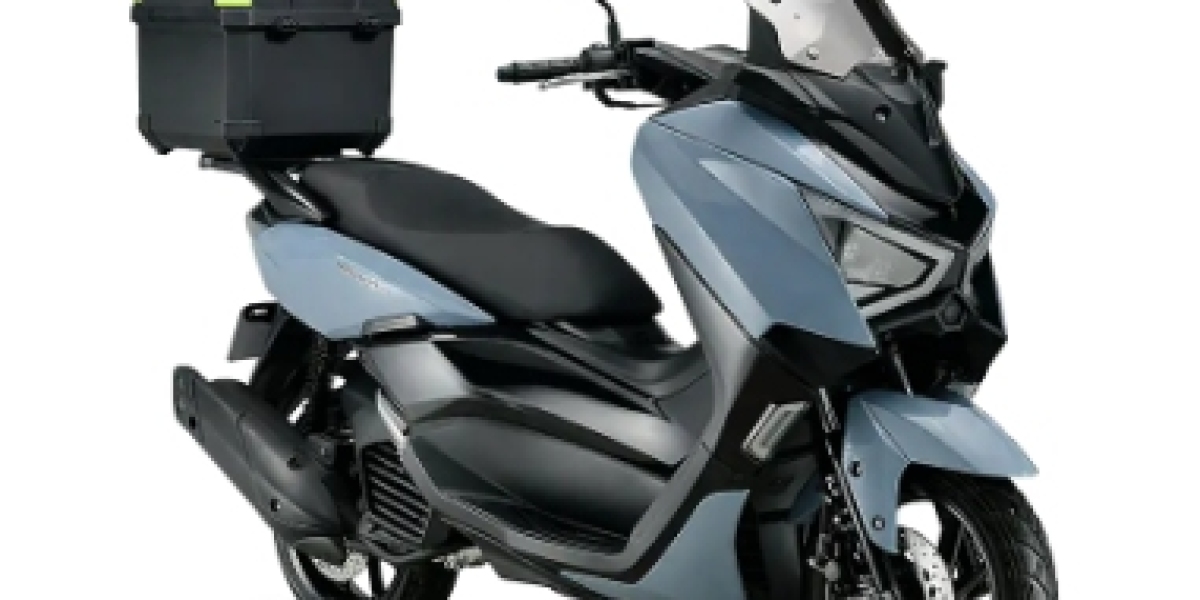

Compact motorcycles are widely used for everyday transportation because they combine manageable dimensions with practical engine capacity and flexible riding applications. For businesses researching Small 125 Motorbikes, understanding the relationship between engine performance, vehicle weight, frame design, and riding comfort helps identify products that match different customer requirements. These motorcycles can serve commuters, first-time riders, students, and users who need convenient transportation for regular short and medium-distance journeys.
A 125cc motorcycle generally occupies an accessible position within the small-displacement motorcycle category. Its engine capacity provides a practical option for personal mobility without the size and complexity associated with many larger motorcycles. However, actual performance depends on several factors, including engine design, transmission type, vehicle weight, fuel delivery, and cooling arrangements. Buyers should evaluate the complete model specification instead of assuming that displacement alone determines riding characteristics.
Engine configuration is one of the first elements to consider. Small-displacement motorcycles may use different engine layouts depending on their design and intended application. Some models feature automatic transmission systems, while others use manual gearboxes. Automatic configurations can simplify everyday operation, particularly in congested urban environments. Manual transmission models may appeal to riders who prefer direct gear selection and a more conventional motorcycle riding experience. The appropriate choice depends on local consumer preferences and the product category being targeted.
The frame and chassis influence the motorcycle's structural characteristics. A properly designed frame supports the engine, steering assembly, suspension, seat, and other components while maintaining appropriate weight distribution. Vehicle geometry also affects handling and riding position. Compact dimensions can make a motorcycle easier to maneuver through narrow streets and crowded parking areas. At the same time, the frame must provide sufficient structural support for the intended vehicle configuration and passenger requirements.
Suspension design contributes to riding comfort and vehicle control. Front and rear suspension components help manage road irregularities and maintain tire contact with the road surface. Their configuration should be considered alongside wheel size, tire selection, ground clearance, and vehicle weight. Roads in different countries can vary considerably, from smooth urban streets to uneven rural routes. Importers should therefore evaluate whether a particular motorcycle design is appropriate for the typical conditions in their target market.
Braking equipment is another essential part of vehicle selection. The braking system should be suitable for the motorcycle's dimensions, weight, and intended operating conditions. Buyers should review the actual braking configuration and relevant product information instead of assuming that all small-displacement motorcycles use identical equipment. Tire specifications, wheel construction, and maintenance accessibility also deserve attention because these components influence everyday usability and servicing requirements.
Riding ergonomics are particularly important for compact motorcycles. Seat height, seat width, handlebar position, footrest placement, and overall vehicle dimensions affect how comfortable a motorcycle feels to different riders. A suitable riding position can make regular commuting more convenient, especially when vehicles are used frequently throughout the week. Passenger seating and rear footrests may also be relevant in markets where two-person transportation is common. Product evaluation should consider the intended users rather than focusing only on external appearance.
Lighting and electrical equipment support visibility and everyday convenience. Depending on the model, motorcycles may include headlamps, tail lamps, turn signals, instrument displays, batteries, and electric starting systems. These components need to be correctly integrated with the vehicle's electrical architecture. Buyers should confirm the actual equipment included in each configuration, particularly when comparing different model versions or ordering products for several markets.
Exterior styling has a direct influence on the way a compact motorcycle is positioned in the retail market. Body panels, fuel tank design, color combinations, decals, seat materials, and lighting shapes contribute to product identity. Some customers prefer a simple and practical appearance, while others are attracted to sport-inspired styling. Distributors can use these differences to develop product selections for distinct customer groups. Nevertheless, cosmetic features should be evaluated together with mechanical specifications and component quality.
Manufacturing quality depends on coordination between component production, procurement, assembly, and inspection. Frame dimensions must match the selected engine and other mounting components. Electrical connections need to correspond with the installed equipment, while exterior panels should fit the vehicle structure correctly. Consistent assembly procedures can help reduce variations between individual units. International buyers should request available specifications and clarify inspection arrangements before confirming larger orders.
Maintenance requirements should also influence the selection process. Routine service may involve engine oil replacement, air filter cleaning or replacement, tire inspection, brake maintenance, battery checks, and examination of the transmission or chain system where applicable. The exact procedures depend on the motorcycle's configuration. Importers should consider whether replacement components can be identified easily and whether local service providers can obtain suitable technical information.
Market regulations are an important consideration for international purchasing. Engine emissions, vehicle classification, lighting, braking equipment, registration documents, and import procedures may differ between countries. A motorcycle that is suitable for one destination may require a different configuration or additional documentation for another. Buyers should establish these requirements before ordering and communicate them clearly during product selection.
For wholesalers and distributors, Small 125 Motorbikes can represent a useful category for developing an accessible transportation product range. The purchasing decision should balance engine configuration, vehicle dimensions, customer preferences, maintenance arrangements, and local regulatory requirements. Businesses can review available scooter and motorcycle products through https://www.zw-motor.com/product/scooter-motorcycle/ when comparing suitable two-wheel transportation options for their distribution markets.