
Packaging requirements continue to evolve as businesses introduce new products, adjust production processes, and respond to changing customer expectations. Choosing suitable Wrapping Film Manufacturers involves more than comparing product specifications; it requires attention to material characteristics, manufacturing processes, application requirements, and communication. At jtpackage, packaging solutions are approached with an understanding of how different businesses evaluate materials for their individual operations.
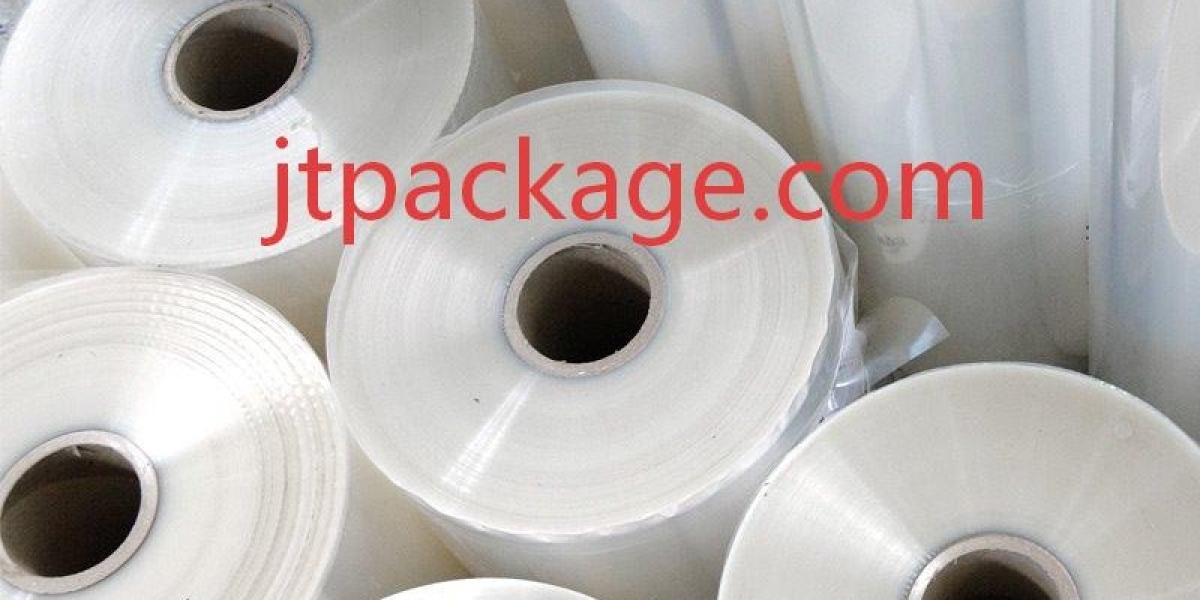
Wrapping film serves a variety of purposes across commercial and industrial environments. It can help cover products, organize grouped items, and create a protective outer layer during storage and transportation. Different applications call for different material properties, making product selection an important part of packaging planning. Businesses should consider the characteristics of the goods being wrapped and the conditions they may encounter throughout distribution.
Material variety is an important consideration when evaluating a manufacturing supplier. Different films offer different characteristics in terms of flexibility, transparency, thickness, sealing performance, and shrink behavior. Polyethylene, polyolefin, and other packaging materials may serve different purposes depending on the intended application. Understanding these distinctions helps purchasing teams communicate their requirements and identify appropriate product options.
Manufacturing processes also influence the characteristics of finished film products. Raw material selection, production equipment, processing conditions, and quality inspection procedures all contribute to the final material. Consistency across production batches is particularly relevant for businesses that depend on regular packaging operations. A clear understanding of manufacturing procedures can help buyers evaluate whether a supplier's production arrangements correspond with their expectations.
Customization is another factor that deserves attention. Packaging businesses may have specific preferences regarding film thickness, roll width, dimensions, transparency, and packaging formats. These requirements can vary according to machinery, product categories, and operational arrangements. Manufacturers that communicate clearly about available specifications can make the selection process easier for buyers with different application needs.
Product compatibility should also be considered before confirming a purchase. A film intended for automated wrapping equipment may require different characteristics from material used in manual packaging. Sealing methods, heating conditions, machine configuration, and product dimensions can all affect the wrapping process. Sharing these details during supplier discussions helps establish a clearer understanding of the intended application.
Beyond the manufacturing stage, packaging materials must also suit the practical conditions of storage and transportation. Products may experience friction, stacking, movement, or changes in their surrounding environment. Businesses should consider the mechanical characteristics of the selected film and assess whether it is appropriate for the expected handling conditions. For specialized applications, technical confirmation and testing may be necessary.
Communication is central to a productive supplier relationship. Buyers benefit from discussing product specifications, application requirements, production schedules, packaging preferences, and supply arrangements. Clear information can reduce misunderstandings and provide a foundation for cooperation throughout the purchasing process. It also allows businesses to review available options with greater confidence.
A supplier evaluation should therefore consider more than the appearance of a product sample. Manufacturing capabilities, specification flexibility, technical communication, quality management, and order coordination all contribute to the purchasing experience. Taking time to review these aspects helps businesses establish packaging supply arrangements that reflect their actual requirements.
As packaging applications continue to develop, manufacturers and buyers have opportunities to exchange ideas and refine material choices. Understanding the connection between production capabilities and practical packaging needs can help businesses make more informed decisions.
Your next packaging project deserves a closer look at the materials behind it. Visit https://www.jtpackage.com/product/ to browse the available product information and examine packaging possibilities for your business. Follow the specifications that match your plans, explore the options waiting on the website, and turn your next supplier search into a meaningful step toward a well-planned packaging solution.