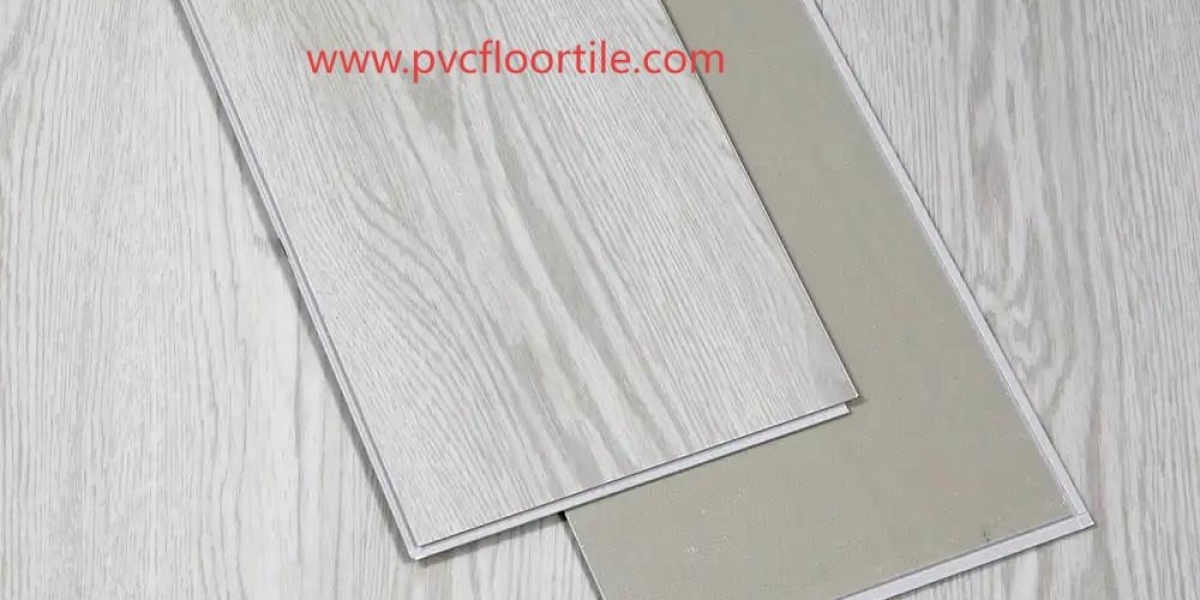

SPC Flooring Factory selection requires careful consideration of production capabilities, material management, product specifications, and order coordination. For importers, distributors, and construction material wholesalers, choosing a suitable manufacturing partner involves more than comparing quotations. Buyers should understand how products are developed, how production is organized, and whether the supplier can maintain consistent standards throughout repeated orders. A detailed evaluation helps reduce communication problems and supports more predictable purchasing decisions.
Examine Raw Material Management
Raw material management has a direct influence on product consistency. Buyers should ask suppliers about the materials used in the core layer, decorative surface, wear layer, and backing structure. Each component serves a different purpose, so its composition and processing requirements should be clearly explained.
A reliable manufacturer should be able to describe its material sourcing procedures and explain how incoming materials are checked before production. Buyers can also request relevant technical information to understand whether the selected materials match the intended application.
Storage conditions deserve attention as well. Materials should be kept in an organized environment that helps prevent contamination, moisture exposure, and unnecessary damage. Proper inventory management can reduce production interruptions and support consistent order preparation.
Review Production Equipment and Workflow
Production equipment affects manufacturing efficiency and product consistency. Buyers should learn about the main processing stages, including mixing, pressing, cutting, surface treatment, and final inspection. Understanding this workflow makes it easier to evaluate whether a supplier has the facilities required for the expected order volume.
It is also useful to ask how production parameters are monitored. Temperature, pressure, processing time, and dimensional control may influence the finished product. Suppliers should explain how operators follow established procedures and respond when production deviations occur.
A clear workflow can also improve order planning. Buyers should discuss estimated production schedules, available capacity, and the arrangements for handling urgent or repeat orders. These details help purchasing teams coordinate inventory and delivery plans more effectively.
Check Product Structure and Technical Specifications
Technical specifications should be reviewed before confirming an order. Buyers need to understand the product dimensions, total thickness, core composition, wear layer options, surface treatment, and available installation systems. These details help determine whether a product is appropriate for its intended environment.
Different projects may require different performance characteristics. Residential interiors, commercial spaces, and areas with frequent foot traffic can have different expectations for durability, dimensional stability, and maintenance. Buyers should communicate the application clearly so the supplier can provide suitable specifications.
Documentation is equally important. Product data sheets, installation instructions, packaging information, and relevant test reports can help buyers compare options and prepare materials for their own customers. Any customized requirement should be confirmed in writing before mass production begins.
Evaluate Surface Appearance and Locking Performance
Visual consistency can influence customer satisfaction, especially when products are supplied for large projects. Buyers should examine color variation, decorative patterns, edge finishing, and surface texture across multiple samples. Comparing samples from different production batches may also help identify possible differences.
Locking performance is another important consideration for products designed for click installation. Buyers can ask about connection structure, dimensional accuracy, and assembly procedures. A practical sample test can help assess whether panels connect properly and remain stable after installation.
It is advisable to evaluate samples under conditions similar to the intended application. This gives purchasing teams a clearer understanding of appearance and handling characteristics before committing to a larger quantity.
Understand Quality Inspection Procedures
Quality inspection should cover both production stages and finished goods. Buyers can ask whether the supplier checks dimensions, appearance, surface condition, and locking accuracy during manufacturing. They should also understand how defective items are identified, separated, and handled.
Inspection records can provide useful evidence of process management. When available, buyers may request sample reports or discuss inspection standards before placing an order. Clear acceptance criteria help both parties understand what is expected from the finished products.
For larger purchasing projects, buyers may also arrange independent inspections before shipment. The inspection scope, sampling method, and reporting requirements should be agreed upon in advance to avoid misunderstandings.
Discuss Customization and Export Preparation
Customization can involve colors, patterns, dimensions, packaging, labels, and other order details. Buyers should confirm which options are available and whether additional production time or minimum quantities apply. Providing clear specifications and reference samples can help reduce unnecessary revisions.
Export preparation also deserves attention. Packaging should be suitable for the transportation method and destination market. Buyers should confirm carton information, pallet arrangements, shipping marks, and required documents before the order is completed.
A supplier with organized export procedures can make international purchasing easier to coordinate. It is helpful to establish a communication schedule for production updates, inspection arrangements, and shipment information.
Assess Communication and Long-Term Cooperation
Communication is an important part of supplier evaluation. Buyers should consider whether the sales and technical teams respond clearly to questions about specifications, samples, pricing, and production schedules. Consistent communication helps both parties address issues before they affect delivery plans.
After-sales arrangements should also be discussed. Buyers may want to understand how the supplier handles product feedback, quality concerns, replacement requests, and technical questions. Written agreements can make responsibilities clearer and provide a reference for future cooperation.
A suitable manufacturing partner should understand the buyer's market requirements and provide practical information throughout the purchasing process. By reviewing material management, production procedures, technical specifications, inspection methods, and export arrangements, buyers can make a more informed decision.For additional product information and available options, visit https://www.pvcfloortile.com/product/ and contact pvcfloortile to discuss project specifications, sample requirements, and potential cooperation.