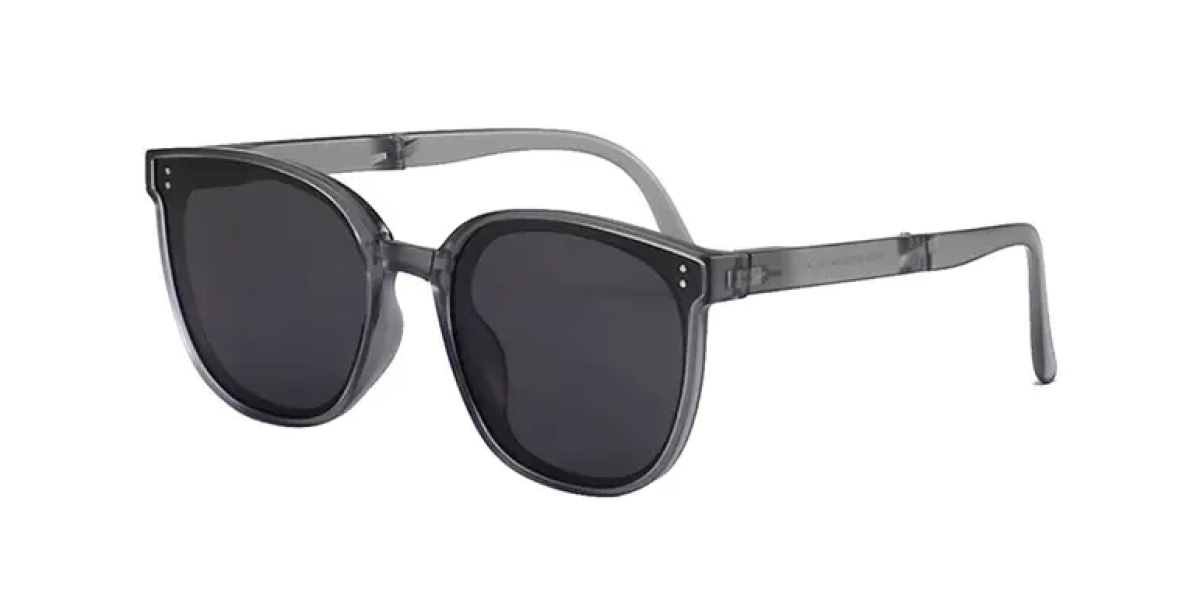

Choosing the right frame material is an important decision when developing a competitive eyewear collection. Frame weight, structural design, color options, and manufacturing consistency all influence the final product. For eyewear wholesalers and retailers, PC Frame Sunglasses offer versatile possibilities for creating fashionable products with practical everyday characteristics. As consumer preferences continue to change, PC Frame Sunglasses provide manufacturers with opportunities to explore different silhouettes, attractive finishes, and customized designs for various market segments. Understanding the material's characteristics and production possibilities can help businesses make better sourcing decisions and develop collections that meet different customer expectations.
Polycarbonate Materials and Frame Characteristics
Polycarbonate, commonly abbreviated as PC, is a thermoplastic material widely used in eyewear frame manufacturing. It is valued for its lightweight construction, impact resistance, and flexibility in product design. These characteristics make it suitable for developing different sunglasses styles for fashion retailers, promotional brands, and wholesale distributors.
Compared with some heavier frame materials, PC can help reduce the overall weight of sunglasses. This feature may contribute to a comfortable wearing experience, particularly when the frame dimensions and temple structures are appropriately designed.
Another advantage is its manufacturing versatility. Polycarbonate can be processed into different shapes and colors, allowing designers to explore transparent finishes, solid tones, and distinctive decorative effects.
However, the final quality depends on material selection, molding conditions, frame thickness, and assembly precision. Buyers should review product specifications and samples before confirming large purchasing orders.
Frame Shapes for Different Consumer Preferences
Sunglasses are both functional accessories and fashion products. Frame appearance often influences purchasing decisions, making shape selection an important part of collection planning.
Different PC frame configurations can serve different style preferences. Rectangular frames offer a clean appearance suitable for everyday fashion, while round frames create a more classic visual impression. Square designs can provide a bold look, and oversized frames may appeal to consumers interested in statement accessories.
Sport-inspired frames often feature curved structures and extended temple designs. These configurations can create a distinctive appearance while accommodating different product requirements.
Color combinations also help retailers build diverse collections. Black, brown, tortoiseshell, transparent, and colored frames provide options for different audiences. Manufacturers can coordinate these finishes with lens colors to create a consistent product identity.
When selecting frame shapes, businesses should consider their target customers, preferred price ranges, and intended sales channels.
Yanieyewear PC Frame Sunglasses Customization
Customization allows eyewear brands to develop products that reflect their own market positioning. Rather than relying entirely on standard designs, wholesalers and private-label businesses can explore different combinations of frame colors, lens specifications, logos, and packaging.
Yanieyewear provides an opportunity for businesses to explore eyewear products and related manufacturing options. When planning a customized sunglasses project, buyers should communicate their requirements clearly.
Several details deserve attention during product development:
Frame colors: Select transparent, solid, gradient, or specially coordinated finishes.
Frame dimensions: Confirm lens width, bridge measurements, temple length, and overall proportions.
Lens combinations: Match suitable lens colors and specifications with the selected frame design.
Logo customization: Discuss printing positions, branding methods, and visual presentation.
Packaging arrangements: Consider protective cases, product boxes, labels, and retail presentation.
Providing technical drawings, reference photographs, and sample requirements can help manufacturers understand the intended product. Confirming these details before mass production can also reduce unnecessary modifications.
Manufacturing Processes and Quality Inspection
The quality of finished sunglasses depends on several manufacturing stages. For PC frames, material preparation, injection molding, cooling, trimming, and assembly all influence the final appearance and structural consistency.
During production, manufacturers need to control molding conditions to maintain accurate dimensions and reduce visible defects. Uneven surfaces, color differences, or inaccurate fitting areas may affect the finished product.
Quality inspection should cover several aspects, including:
Frame dimensions and structural consistency.
Surface smoothness and color uniformity.
Lens installation and alignment.
Temple opening and closing performance.
Logo printing and packaging condition.
Lens quality should also receive attention. Buyers should verify optical specifications and UV protection through appropriate product testing. A PC frame does not automatically determine the protective performance of the installed lenses.
Careful inspection throughout production helps businesses maintain consistent product standards and supports more reliable purchasing arrangements.
Commercial Applications and Eyewear Market Opportunities
PC frame sunglasses can be developed for different commercial applications depending on their design, lens configuration, and market positioning. Fashion retailers may focus on attractive colors and distinctive shapes, while promotional product suppliers may prefer customizable frames suitable for branded campaigns.
Online stores can also benefit from offering multiple frame styles. Detailed product photographs, accurate measurements, and clear descriptions help customers compare different designs and understand their features.
For wholesalers, product variety can support a broader customer base. Combining classic frames, contemporary styles, and seasonal designs provides more flexibility when planning inventory.
Businesses should also consider packaging, order quantities, sample approval, and delivery arrangements when evaluating potential suppliers. These factors influence purchasing efficiency and help establish clearer expectations throughout the sourcing process.
If you are exploring new sunglasses designs or planning to expand your eyewear product range, visit https://www.yanieyewear.com/ to discover available eyewear products and manufacturing possibilities. You can review different frame styles, compare product designs, and learn more about potential customization options for your business. Whether you are an importer, wholesaler, distributor, or private-label brand owner, discussing frame materials, dimensions, lens combinations, logo requirements, and packaging details with a suitable supplier can help create a more organized purchasing plan. Careful product selection and consistent quality inspection can support the development of attractive eyewear collections while helping your business respond to changing customer preferences.