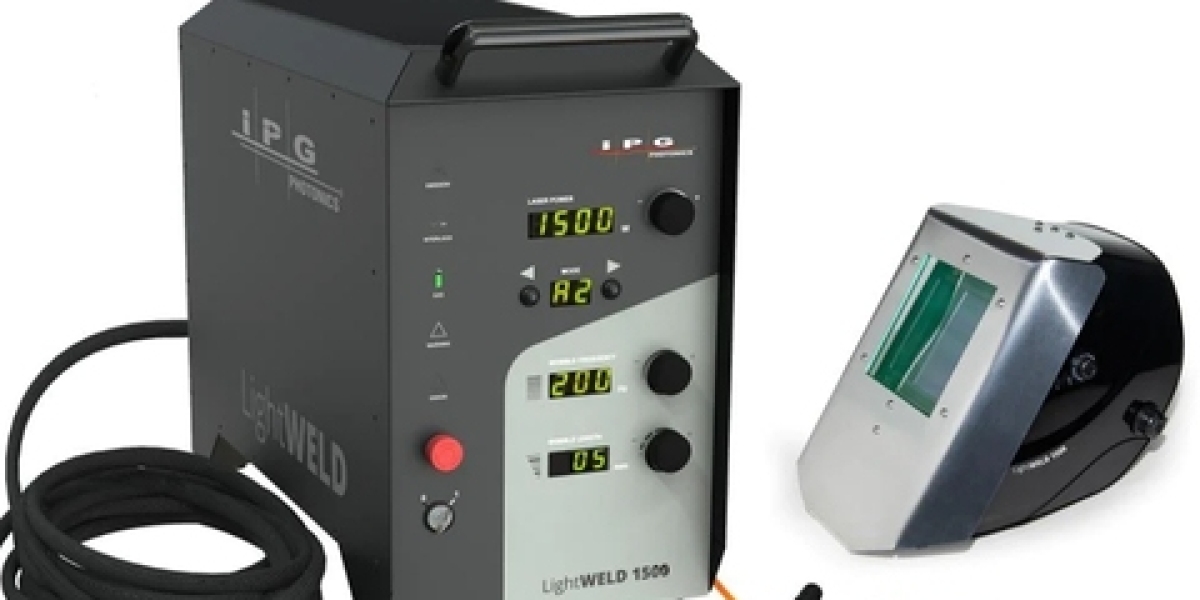

In modern manufacturing, precision, efficiency, and reliability are essential for producing high-quality products. Welding technology continues to evolve to meet these requirements, and laser-based welding systems are becoming increasingly popular in different industrial applications. Optic fiber welding is a specialized process that uses laser energy delivered through optical fiber technology to create precise and controlled welds between metal components.
This technology is widely used in industries that require accurate joining, consistent results, and flexible production methods. From automotive manufacturing to electronics and metal fabrication, fiber-based laser welding is helping businesses improve their production processes.
How Optic Fiber Welding Works
The process involves generating a laser beam and transmitting it through an optical fiber to a welding head. The concentrated laser energy is directed toward the surface of the material, creating heat that melts the metal. When the molten material cools, it forms a welded joint.
The operator or automated system controls the laser parameters according to the material type, thickness, and welding requirements. Power settings, welding speed, focus position, and beam characteristics all influence the final welding quality.
Modern laser welding systems can be designed for manual, automated, or robotic applications, making them suitable for different manufacturing environments.
Applications Across Different Industries
Fiber laser welding technology has become useful in a wide range of industrial operations. Manufacturers use it to join stainless steel, carbon steel, aluminum, and other compatible metals.
In automotive manufacturing, it is used for joining structural components, metal panels, and selected automotive parts. Electronics manufacturers may use laser welding for small components that require accurate processing. Metal fabrication workshops also use this technology for custom projects, machinery parts, sheet metal assemblies, and industrial equipment.
The flexibility of the process allows businesses to handle different production requirements without relying entirely on conventional welding methods.
Choosing the Right Welding Equipment
Selecting suitable equipment requires understanding the production environment and the materials being processed. Buyers should consider laser power, welding thickness, cooling systems, working modes, machine stability, and available technical support.
A reliable optic fiber welding machine should match the workshop's production goals rather than simply having the highest power rating. Testing the machine with actual materials can help buyers evaluate welding quality, speed, and ease of operation before making a purchase.
Manufacturers and suppliers offering fiber laser welding solutions can also provide guidance regarding machine configurations, installation, training, and maintenance.
Improving Production With Laser Technology
Laser welding can help manufacturers modernize their production lines by introducing more controlled and repeatable welding operations. With appropriate machine settings and operator training, businesses can produce clean welds while managing production requirements more efficiently.
Regular maintenance, proper equipment handling, and suitable laser safety measures are important for maintaining consistent performance. Operators must follow manufacturer guidelines and use appropriate protective equipment, particularly because industrial laser systems can present serious eye and skin hazards.
Final Thoughts
Fiber laser technology continues to transform metal joining applications across modern industries. By combining focused laser energy with advanced optical fiber systems, manufacturers can handle a wide range of welding tasks with precision and control. Investing in the right optic fiber welding equipment can help workshops adapt to changing manufacturing demands, improve production consistency, and explore new opportunities in metal fabrication.