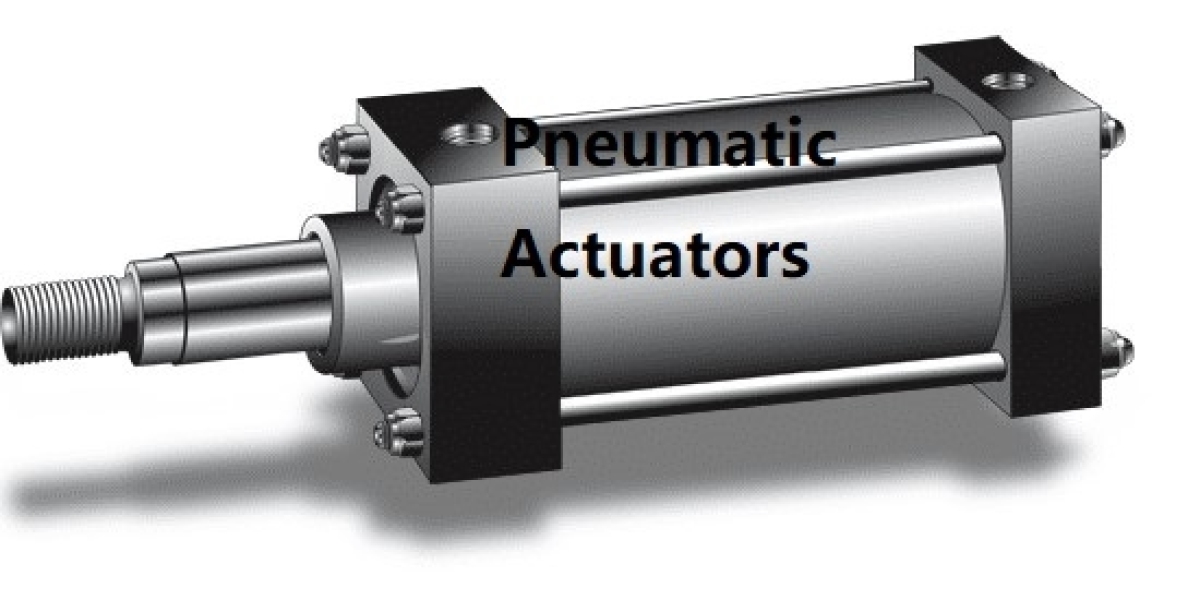

In modern manufacturing, pneumatic technology supports numerous production activities that require controlled movement, repeatable operation, and reliable mechanical coordination. As automation equipment becomes more specialized, selecting a suitable Piston Pneumatic Valve is important for managing compressed air and controlling connected machinery. A properly selected Piston Pneumatic Valve can help manufacturers coordinate actuator movements, maintain appropriate airflow, and meet different equipment operating requirements. Understanding valve construction, response characteristics, installation conditions, and application demands allows businesses to make more informed purchasing decisions.
Understanding Valve Response and Airflow Control
Pneumatic control systems depend on accurate airflow distribution to operate connected equipment. The internal piston mechanism responds to air pressure and changes the position of the valve's operating elements.
This movement determines how compressed air travels through the available passages. Depending on the design, different switching arrangements can support specific equipment functions.
Response characteristics are particularly important in automated production. When several mechanical movements must happen in sequence, inconsistent switching may affect the overall production cycle. Engineers should therefore consider operating frequency, pressure stability, and actuator requirements when selecting suitable components.
The relationship between valve capacity and connected equipment should also be evaluated. Appropriate airflow helps prevent unnecessary delays and supports coordinated machine operation.
Material Selection and Structural Considerations
The materials used in pneumatic components influence their suitability for different industrial environments. Valve bodies, internal moving parts, and sealing elements each have specific functional requirements.
Metal valve bodies are commonly selected for applications requiring mechanical strength and structural stability. Internal components should be manufactured with appropriate dimensional accuracy to support smooth movement.
Sealing materials also deserve attention. Their characteristics should match the operating pressure, temperature range, and compressed-air conditions. In unsuitable environments, incorrect seal selection may contribute to leakage or premature wear.
Manufacturers should also examine connection structures, mounting dimensions, and available installation space. Checking these details before purchasing can reduce modification costs during equipment assembly.
Wisley Pneumatic Solutions for Industrial Equipment
Zhejiang Wisley Automatic Valve Co., Ltd. provides pneumatic products for different industrial control and automation applications. Its product categories include pneumatic actuator valves and related equipment designed for various machinery requirements.
When evaluating suitable products, customers should prepare information about their equipment configuration, operating pressure, connection dimensions, and intended working conditions.
Customized projects may also require additional technical details, including installation orientation, movement frequency, and environmental temperature. Providing accurate information allows suppliers to evaluate product compatibility more effectively.
For machinery manufacturers, cooperation with a supplier that understands pneumatic applications can simplify product selection and equipment integration.
Industrial Applications and Energy Management
Pneumatic systems are used in packaging, assembly, material handling, and general manufacturing equipment. Their ability to produce repetitive mechanical movements makes them suitable for many automated processes.
In packaging facilities, compressed air helps operate pushing, positioning, clamping, and sorting mechanisms. In assembly workshops, pneumatic devices can assist with component placement and repetitive production tasks.
Energy management is another important consideration. Air leakage, excessive pressure settings, and poorly designed pipelines can increase compressor workloads.
Regularly checking connections, adjusting pressure according to equipment requirements, and maintaining filtration systems can help reduce unnecessary compressed-air consumption.
Installation and Maintenance for Stable Performance
Correct installation and preventive maintenance contribute to dependable pneumatic equipment operation. Before commissioning, technicians should inspect pipeline cleanliness, connection compatibility, and operating pressure.
Compressed air should pass through appropriate filtration equipment to reduce contamination. Dust and moisture may affect internal surfaces and sealing components if they enter the system.
Maintenance teams should regularly examine external fittings, inspect possible leakage, and monitor switching performance. Any unusual movement or operating noise should be investigated.
For manufacturers seeking suitable pneumatic products, Zhejiang Wisley Automatic Valve Co., Ltd. offers product information and solutions for different industrial applications. Visit https://www.wisleypneumatic.com/ to explore available pneumatic equipment, review product specifications, and learn more about actuator valve configurations. Customers can provide technical drawings, pressure requirements, connection details, and application descriptions to discuss suitable options with the technical team. Careful product evaluation and regular equipment maintenance can help businesses establish compatible pneumatic systems, improve production coordination, and support their long-term automation development.