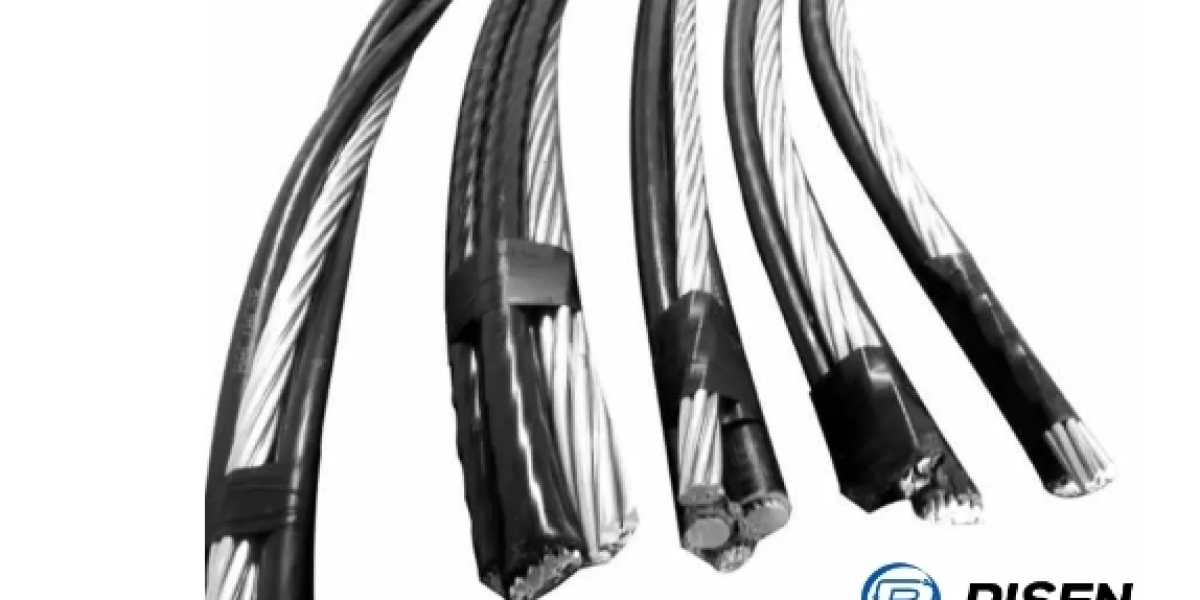

An ABC Cable Purchasing Checklist helps utility companies, EPC contractors, and electrical engineers avoid costly mistakes during cable procurement. As overhead distribution networks become more focused on safety, reliability, and installation efficiency, Aerial Bundled Cable (ABC Cable) has become a preferred solution for low-voltage and medium-voltage distribution systems.
Unlike traditional bare conductors, ABC Cable integrates insulated conductors into a compact bundled structure, reducing risks related to accidental contact, short circuits, and complex installation environments. For large-scale utility upgrades, residential electrification, and industrial distribution projects, selecting the correct cable design and supplier is essential for long-term system performance.
1. ABC Cable Purchasing Checklist: Key Technical Requirements to Confirm
The first step in an ABC Cable Purchasing Checklist is confirming the technical requirements based on project conditions. Engineers and procurement teams should review the following specifications before requesting quotations.
Voltage Level Selection
The voltage rating directly affects cable structure and application.
Common ABC Cable voltage levels include:
| Voltage Class | Typical Applications |
|---|---|
| 0.6/1kV ABC Cable | Residential distribution, street lighting, LV networks |
| 1.8/3kV ABC Cable | Industrial distribution systems |
| Medium Voltage ABC Cable | Utility feeders and advanced distribution networks |
Selecting the wrong voltage grade may result in compliance problems or premature cable failure.
Conductor Material
Buyers should confirm conductor requirements:
- Aluminum conductor: Cost-effective and widely used for overhead distribution
- Aluminum alloy conductor: Higher mechanical strength for demanding environments
- Copper conductor: Used where higher conductivity is required
The conductor selection should consider current capacity, installation distance, and project budget.
2. ABC Cable Supplier Selection: What EPC Buyers Should Evaluate
A reliable ABC Cable Supplier Selection process is critical for EPC projects because cable quality directly affects construction schedules and commissioning.
Before placing an order, buyers should evaluate:
Manufacturing Capability
A qualified ABC Cable manufacturer should provide:
- Modern production equipment
- Complete testing facilities
- Consistent quality control procedures
- Experience with international projects
Certification and Compliance
International projects often require compliance with standards such as:
- IEC standards
- ASTM requirements
- Local utility specifications
Suppliers should provide technical documents, factory test reports, and certificates required by project owners.
Production Capacity and Delivery Reliability
For EPC projects, delayed cable delivery can affect the entire construction timeline. Buyers should confirm:
- Production lead time
- Monthly manufacturing capacity
- Cable drum availability
- Export experience
3. ABC Cable Quality Inspection Before Shipment
A professional ABC Cable Quality Inspection process ensures that delivered products meet project requirements.
Important inspection items include:
Electrical Testing
Manufacturers should perform:
- Conductor resistance testing
- Insulation resistance testing
- Voltage withstand testing
These tests verify electrical safety and transmission reliability.
Mechanical Testing
ABC Cable should also be checked for:
- Tensile strength
- Conductor flexibility
- Messenger wire performance
- Bundle structure integrity
This is especially important for long-span overhead installations.
Visual Inspection
Before shipment, buyers should confirm:
- Correct cable marking
- Proper drum packaging
- No insulation damage
- Accurate length measurement
A complete inspection record helps EPC contractors during project acceptance.
4. Durability and Maintenance Considerations for ABC Cable Projects
The durability of ABC Cable directly influences lifetime operating costs.
High-quality ABC Cable typically uses weather-resistant insulation materials such as XLPE, providing excellent resistance against:
- UV radiation
- Temperature changes
- Moisture
- Outdoor environmental exposure
For example, in coastal distribution projects, cables with improved moisture resistance and corrosion protection can significantly reduce maintenance requirements.
Recommended maintenance practices include:
- Regular visual inspection of support points
- Checking accessories and fittings
- Monitoring mechanical tension
- Inspecting damaged insulation areas
Proper installation combined with routine inspection can extend the service life of overhead distribution systems.
5. ABC Cable Applications in Utility and EPC Projects
ABC Cable is widely used in different electrical infrastructure projects.
Residential Power Distribution
Utility companies often use ABC Cable for:
- Residential feeder lines
- Urban network upgrades
- Rural electrification programs
The insulated design improves safety in densely populated areas.
Industrial Distribution Projects
Factories and industrial facilities choose ABC Cable because it provides:
- Reliable power transmission
- Reduced installation complexity
- Better protection in challenging environments
Renewable Energy Projects
Solar and distributed energy projects increasingly require compact overhead distribution solutions. ABC Cable can be used for connection lines between generation facilities and local distribution networks.
6. Practical ABC Cable Purchasing Checklist for Buyers
Before finalizing an order, EPC contractors and utilities should confirm:
- Project voltage requirement
- Cable cross-section size
- Number of cores
- Conductor material
- Insulation material
- Applicable standards
- Installation environment
- Required certificates
- Inspection requirements
- Delivery schedule
- Cable drum specifications
A complete checklist reduces procurement risks and improves project execution efficiency.
FAQs About ABC Cable Purchasing
1. What is the most important factor when buying ABC Cable?
The most important factor is matching cable specifications with project requirements, including voltage level, conductor size, installation environment, and applicable standards.
2. How do I choose an ABC Cable supplier?
Choose suppliers with manufacturing experience, quality certifications, testing capability, and proven international project experience.
3. Is XLPE insulation better for ABC Cable?
Yes. XLPE insulation provides excellent thermal performance, weather resistance, and long-term durability for outdoor applications.
4. What documents should suppliers provide before shipment?
Typical documents include datasheets, test reports, certificates of compliance, packing lists, and inspection records.
5. Can ABC Cable be used for industrial projects?
Yes. ABC Cable is suitable for many industrial overhead distribution applications where safety, reliability, and installation efficiency are required.
6. How can EPC companies reduce ABC Cable procurement risks?
EPC companies should confirm technical specifications early, evaluate suppliers carefully, and perform inspection before shipment.
Conclusion: Making Better ABC Cable Procurement Decisions
A professional ABC Cable Purchasing Checklist helps utilities and EPC contractors select reliable products while reducing project risks. From technical specifications and supplier evaluation to quality inspection and delivery planning, every step affects the final performance of the distribution system.
Choosing a qualified ABC Cable manufacturer with strong engineering support ensures safer installation, longer service life, and better overall project value. For modern power distribution networks, the right ABC Cable solution is not only a material choice but also a long-term investment in reliability and efficiency.