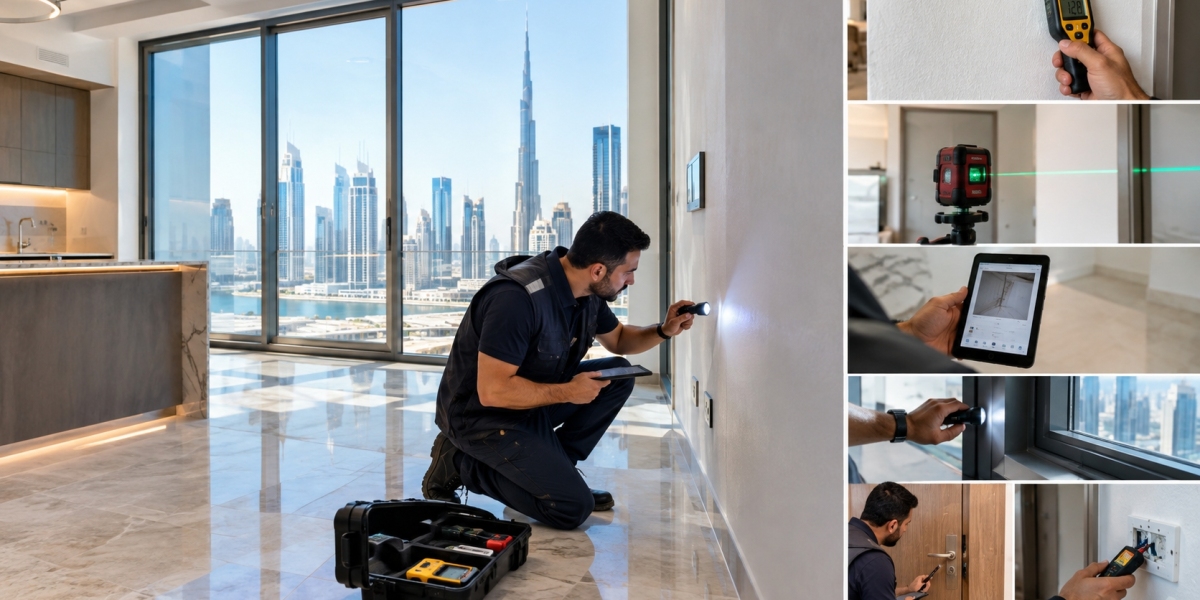

Property snagging Dubai is an important inspection process for buyers who are preparing to receive a newly built, renovated, or recently completed property. The purpose of snagging is to identify defects, unfinished work, poor workmanship, damaged finishes, and problems with property systems before or around the handover stage. A property may look complete at first glance while still having issues that are difficult to notice without a detailed inspection. Snagging gives buyers an opportunity to examine the property carefully, document problems, and request appropriate corrective work from the responsible party before settling into the home. A detailed snagging inspection commonly covers finishes, electrical points, plumbing, drainage, doors, windows, air conditioning, fitted fixtures, and other important areas of the property.
What Is Property Snagging Dubai?
Property snagging Dubai refers to a systematic inspection of a property to identify defects, incomplete work, or areas that do not meet the expected standard. A snag can be something relatively minor, such as damaged paint or an uneven finish, or something more significant, such as a plumbing leak, electrical problem, faulty air conditioning, or poorly sealed window. The inspection is normally performed room by room so that problems are not overlooked. For a new property, snagging is especially relevant around handover because it creates a documented record of issues that need attention before the buyer fully accepts the property.
Why Is Property Snagging Important in Dubai?
Property snagging is important because a newly completed property is not automatically free from construction or finishing defects. Several trades may have worked on the same property, and small mistakes can remain even when the unit appears visually complete. A detailed inspection can reveal problems that may become more expensive or inconvenient after occupancy. Identifying defects early also makes communication with the developer or responsible party clearer because the problems can be documented with descriptions and photographs. This is particularly useful during handover, when buyers are expected to review the condition of the property before completing the acceptance process.
When Should Property Snagging Be Done?
The most useful time for property snagging is generally before formally accepting handover of a newly completed property, because this gives the buyer an opportunity to identify defects before moving in. Buyers should ideally arrange the inspection when the property is sufficiently complete for its finishes, fixtures, services, and installations to be checked properly. A further inspection after corrective work can also be useful because repairs may introduce new defects or leave existing issues unresolved. The exact timing can depend on the developer's handover procedure and the terms of the purchase agreement, so buyers should pay close attention to their handover communications and contractual requirements.
What Does a Property Snagging Inspection Cover?
A property snagging inspection can cover the major visible and functional elements of a property, including walls, ceilings, floors, tiles, doors, windows, cabinets, sanitary fittings, electrical points, lighting, plumbing, drainage, air conditioning, fixtures, and finishes. Inspectors may also examine areas where poor installation or finishing could lead to future problems. The inspection should not focus only on appearance because functional issues can be more important than cosmetic imperfections. A comprehensive snagging process therefore combines visual checks with practical testing of accessible systems and components wherever appropriate.
Checking Walls, Ceilings, and Finishes
Walls and ceilings should be examined for cracks, uneven surfaces, paint defects, stains, visible patches, poor finishing, and other signs of incomplete workmanship. Corners, joints, skirting areas, and transitions between different materials can also reveal finishing problems. Flooring and tiles should be checked for damage, uneven installation, poor alignment, cracked surfaces, or incomplete grouting. These details may appear small individually, but documenting them during snagging creates a clear record of the property's condition and gives the responsible party an opportunity to correct the work before the buyer settles into the property.
Inspecting Doors and Windows
Doors and windows are important parts of a property because they affect security, ventilation, insulation, privacy, and everyday comfort. During property snagging Dubai, doors should be checked for proper alignment, smooth operation, suitable closing, functional locks, and visible damage. Windows should also be inspected for alignment, seals, glass condition, handles, opening mechanisms, and signs of gaps or poor installation. Problems with seals or drainage around windows can become more noticeable during weather events or regular use, so identifying such issues early can help prevent future inconvenience.
Checking Electrical Systems
Electrical inspection is an important part of property snagging because electrical problems may not always be visible from the outside. Accessible sockets, switches, lighting points, distribution areas, and installed electrical fixtures can be examined where appropriate and safe. The purpose is to identify visible damage, missing components, loose fittings, incorrect installation, or functional problems. Electrical testing should always be performed safely and within the inspector's qualifications and equipment limitations. If a serious electrical concern is discovered, it should be documented and referred to an appropriately qualified professional rather than handled through unsafe testing.
Inspecting Plumbing and Water Systems
Plumbing should receive careful attention during a property snagging inspection because leaks and drainage problems can cause significant inconvenience and property damage if they remain unresolved. Taps, sinks, toilets, showers, visible pipes, drainage points, water pressure, and accessible plumbing connections can be checked according to the inspection conditions. Signs of moisture, leakage, poor sealing, slow drainage, or damaged fittings should be documented clearly. Early identification is valuable because plumbing problems hidden behind finishes can become more difficult to address after furniture, flooring, and other belongings are installed.
Checking Air Conditioning and Ventilation
Air conditioning is particularly important for properties in Dubai because comfortable indoor temperatures depend heavily on properly functioning cooling systems. During snagging, accessible air conditioning units, controls, vents, airflow, unusual sounds, visible leaks, and other signs of malfunction may be examined. Ventilation points should also be checked for visible obstructions or installation concerns. If the system does not perform as expected, the issue should be documented and reported for correction. Testing should take account of the system's operating requirements and should not involve actions that could damage equipment.
Kitchen and Bathroom Inspection
Kitchens and bathrooms contain many fixtures, fittings, surfaces, connections, and functional systems, making them important areas during property snagging. Cabinets should be checked for alignment, damage, smooth operation, and finishing quality, while countertops, sinks, taps, appliances, and plumbing connections should be inspected where applicable. Bathrooms should be checked for damaged tiles, grout problems, water flow, drainage, sanitary fittings, sealants, ventilation, and signs of leakage. Because these areas experience regular exposure to water and moisture, defects that appear minor during handover can become more troublesome if they are not addressed.
Balcony and Outdoor Areas
Balconies, terraces, entrances, and other outdoor areas should also be included in a thorough snagging inspection. These areas can contain drainage, flooring, railing, doors, lighting, waterproofing, and finishing elements that require attention. Drainage is especially important because standing water can indicate an installation or slope problem and may contribute to deterioration over time. Outdoor doors and windows should also be checked for proper operation and sealing. Any visible cracks, damaged surfaces, incomplete finishes, or drainage concerns should be recorded clearly in the snagging report.
Why a Professional Property Snagging Inspection Can Help
A professional property snagging inspection can be useful for buyers who do not have construction or building inspection experience. An experienced inspector can approach the property systematically and may identify issues that an ordinary visual walkthrough could overlook. Professional inspectors can also provide a structured report that records defects and supporting evidence, making it easier for the buyer to communicate concerns to the developer or responsible party. The value of professional snagging depends on the property's condition, size, complexity, and the buyer's own ability to conduct a detailed inspection.
DIY Property Snagging in Dubai
Some buyers prefer to inspect their property themselves, especially when they have experience with construction, maintenance, or property inspection. A DIY inspection can be useful when the buyer understands what to look for and has enough time to examine the property carefully. However, it is important not to treat snagging as a quick visual tour. Buyers should work systematically through every room and accessible system, document defects with clear descriptions and photographs, and compare the finished property with the agreed specifications where possible. A professional inspection may still be useful when the property is technically complex or the buyer is uncertain about hidden or functional defects.
What Should a Snagging Report Include?
A good snagging report should clearly describe each identified defect and explain where it is located within the property. Photographs can provide useful evidence by showing the condition of the affected area at the time of inspection. The report should distinguish between different defects rather than combining unrelated problems into a vague description. It can also include observations about finishes, fixtures, systems, and areas requiring further specialist assessment. Clear documentation makes it easier for the buyer and developer to understand what needs attention and provides a useful record for follow-up inspections.
What Happens After Snagging?
After the inspection, identified defects are normally documented and communicated to the responsible party for review and corrective action. The buyer should keep a copy of the report and supporting photographs and should monitor whether the reported issues have actually been resolved. A follow-up inspection can help confirm that repairs were completed properly rather than simply marked as finished. This stage is important because some defects may remain after initial corrective work, while repairs can occasionally create additional finishing problems. Keeping communication and records in writing can make the follow-up process more organized.
Property Snagging and Handover
Property snagging and handover are closely connected because handover is the stage at which the buyer formally receives the completed property. Current Dubai-focused guidance consistently emphasizes inspecting the property before accepting handover where possible and documenting defects clearly. Buyers should also review their purchase agreement and handover documentation because contractual procedures can vary. Snagging should not be viewed simply as a cosmetic exercise; it is a practical inspection process that helps establish the property's condition and identify issues requiring attention.
Common Property Snagging Mistakes
One common mistake is rushing through the inspection because the buyer is excited to receive the keys. Another mistake is concentrating only on paint and visible cosmetic issues while ignoring plumbing, drainage, electrical points, air conditioning, windows, doors, and other functional elements. Buyers may also fail to photograph defects or describe their location clearly, making later follow-up more difficult. A further mistake is assuming that a property is perfect simply because it is newly constructed. A new property can still contain workmanship or installation defects, which is why systematic inspection remains valuable.
How to Choose a Property Snagging Company in Dubai
When choosing a property snagging company in Dubai, buyers should consider the inspector's experience, inspection scope, reporting process, technical knowledge, and understanding of residential construction. It is useful to ask what areas and systems are included in the inspection and what type of report will be provided afterward. Buyers should also understand whether the service includes a follow-up inspection and whether specialist testing is available when required. The right choice depends on the property and the buyer's needs, so comparing the actual inspection scope is more useful than focusing only on the service name or advertised price.
Benefits of Property Snagging Dubai
Property snagging Dubai can help buyers understand the actual condition of their property before they settle in. It can identify visible defects, functional concerns, unfinished work, and areas that require corrective attention. A documented inspection can also make communication with the developer more organized because each issue can be clearly described and supported with evidence. Beyond the immediate handover process, a thorough inspection can give buyers greater awareness of their property's condition and help them address problems before they become more difficult or expensive to resolve.
Frequently Asked Questions About Property Snagging Dubai
What is property snagging Dubai?
Property snagging Dubai is the process of inspecting a property to identify defects, unfinished work, poor workmanship, and functional problems, particularly around the handover of a newly completed home. The findings are documented so that the responsible party can review and address them.
When should I arrange property snagging in Dubai?
For a new property, snagging is generally most useful before formally accepting handover, when the property is sufficiently complete to allow its finishes, fixtures, and systems to be inspected. Buyers should also follow the specific handover procedures and contractual requirements applicable to their property.
What does a property snagging inspection check?
A comprehensive inspection can check walls, ceilings, floors, doors, windows, tiles, cabinets, plumbing, drainage, electrical points, air conditioning, bathrooms, kitchens, balconies, fixtures, and other accessible elements of the property.
Is professional property snagging necessary?
Professional snagging is not necessarily required for every buyer, but it can be useful when the buyer lacks construction knowledge, has limited time, or wants a detailed independent assessment. A professional inspector may identify issues that are easy to overlook during a casual walkthrough.
Can I do property snagging myself?
Yes, buyers can inspect their property themselves if they have sufficient knowledge, time, and access to the property. A systematic room-by-room inspection with clear photographs and written descriptions is much more useful than a quick visual walkthrough.
Why are photographs important in a snagging report?
Photographs provide visual evidence of the condition observed during the inspection. They can help the buyer and responsible party understand the location and nature of a defect and can make follow-up communication clearer.
Should I check the property again after repairs?
A follow-up inspection can be useful because it confirms whether reported defects have actually been corrected. It can also identify problems that remain unresolved or new issues that appeared during the repair process.
Does snagging only apply to new properties?
Snagging is most commonly associated with new-build and newly completed properties, but a detailed inspection can also be useful for renovated homes, rental move-ins, and other situations where documenting property condition is important. The exact inspection requirements depend on the type and condition of the property.
Conclusion
Property snagging Dubai is an important part of preparing for a property handover because it provides a structured way to identify defects, unfinished work, functional problems, and workmanship concerns before they become bigger issues. A proper inspection should go beyond checking paint and visible finishes and should consider accessible electrical systems, plumbing, drainage, air conditioning, windows, doors, kitchens, bathrooms, balconies, and other important areas. Clear photographs and a detailed snagging report can make communication and follow-up easier, while a professional inspection can provide additional technical knowledge for buyers who need it. By approaching snagging carefully and reviewing the property before accepting handover, buyers can better understand the condition of their new home and address identified concerns in an organized manner.